
 Televison New
Introduction: The True Story of a Second Chance In the gritty landscape of prison dramas, few films manage to capture the authentic transition from a lost youth to a man of substance as effectively as Jamesy Boy. Directed by Trevor White and released in 2014, the film is based on the remarkable true life story of James Burns. It isn’t just a movie about “doing time”; it’s a visceral exploration of the
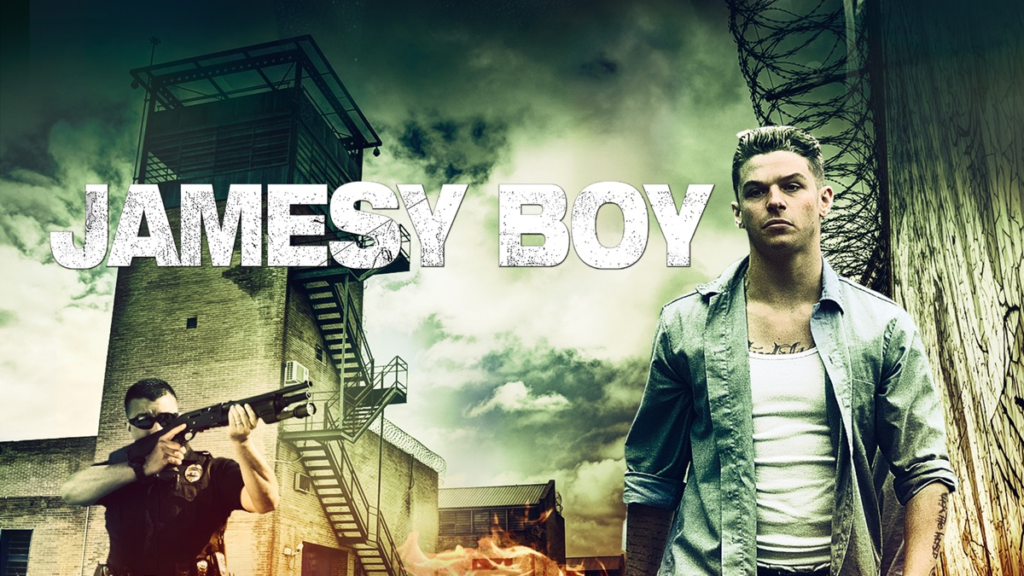
circumstances that lead a young man into the abyss and the agonizingly difficult steps required to climb back out. For the “Storyline Movies” community, Jamesy Boy stands as a testament to the fact that while our past defines where we started, it doesn’t have to dictate where we end up.
The Descent: A Product of the System The film introduces us to James Burns (played with haunting intensity by Spencer Lofranco), a teenager who has already been rejected by every traditional system of support. James isn’t inherently evil; he is a young man with a hair-trigger temper and a desperate need for belonging. This void is quickly filled by the world of street crime and the influence of a local gang leader, Roc (Michael Nyqvist). The “storyline” of his descent is painfully familiar but handled with a raw honesty that avoids glamorizing the criminal lifestyle. We see James as a boy trying to play a man’s game, a path that inevitably leads him to a maximum-security prison before he’s even old enough to vote.
Life Behind Bars: The Reality of the “Gladiator School” When James enters the prison system, the film shifts its tone. The cinematography becomes colder, the spaces more confined. It captures the terrifying reality of what inmates call “Gladiator School”—a place where survival often requires giving in to your darkest instincts. It is here that James faces his ultimate crossroads. He is surrounded by violence, racial tension, and a system that seems designed to break his spirit rather than reform it. However, it is also within these walls that James encounters the person who will change his life forever.
The Mentor: Conrad and the Power of Poetry The emotional core of Jamesy Boy is the relationship between James and Conrad (played by the legendary Ving Rhames). Conrad is a convicted murderer who has found a strange kind of peace within the prison. Unlike the guards or the gang leaders, Conrad doesn’t try to intimidate James. Instead, he challenges his mind. Through their interactions, James discovers the power of writing and poetry—a tool to process his rage and express the humanity he had buried so deep. This mentorship is the “genius” of the film’s narrative. It proves that redemption often requires a mirror—someone to show us the person we could be, rather than the criminal the world sees.

The Struggle for Identity: James vs. The System One of the most compelling aspects of Jamesy Boy is the internal conflict James faces. He is caught between two worlds: the loyalty he feels to his criminal “family” outside and the burgeoning desire to be a better man. The film brilliantly portrays the “crabs in a bucket” mentality of the prison system, where any attempt at self-improvement is met with hostility from other inmates. James’s journey is not a straight line; he falters, he loses his temper, and he almost loses his hope. This realism is what makes the “Never Return” (Không Bao Giờ Trở Lại) theme so powerful. To never return to prison, James first has to learn how to never return to the mindset that put him there.
Mary-Louise Parker and the Mother’s Grief Adding another layer of emotional depth is Mary-Louise Parker, who plays James’s mother. Her performance captures the helpless agony of a parent watching their child destroy themselves. Her scenes are brief but impactful, serving as a reminder of the “collateral damage” of crime. It grounds the story in reality, showing that James’s choices didn’t just affect him; they tore a hole in the fabric of his family. Her unwavering, yet exhausted love provides the final incentive James needs to truly change.
The “Storyline Movies” Perspective: Why This Film Matters At Storyline Movies, we focus on narratives that offer more than just entertainment. Jamesy Boy is a psychological study of resilience. It asks difficult questions: Can a violent person truly become peaceful? Is the prison system a place for rehabilitation or just a warehouse for the discarded? By focusing on the real James Burns’s passion for literature and his eventual success as a writer and activist, the film provides a rare “happy ending” that feels earned through blood, sweat, and tears.
Direction and Performance: A Hidden Gem Spencer Lofranco’s performance is a revelation. He manages to balance the terrifying volatility of a street thug with the soul-searching vulnerability of a poet. Under Trevor White’s direction, the film avoids the clichés of the “prison breakout” genre and instead focuses on the “internal breakout”—the moment the mind becomes free even if the body is still in a cell. The supporting cast, including Taissa Farmiga as a symbol of the “normal” life James lost, adds a sense of longing that permeates the entire film.

Conclusion: The Legacy of James Burns Jamesy Boy (Không Bao Giờ Trở Lại) is a must-watch for anyone who believes in the capacity for human change. It is a story that refuses to look away from the darkness but insists on finding the light. James Burns’s story serves as a beacon for those who feel trapped by their past mistakes. It reminds us that every day is a series of choices, and the most important choice we can ever make is to decide who we want to be when the gates finally open.
James Burns didn’t just survive prison; he conquered the version of himself that belonged there. That is a storyline worth celebrating.