
 Televison New
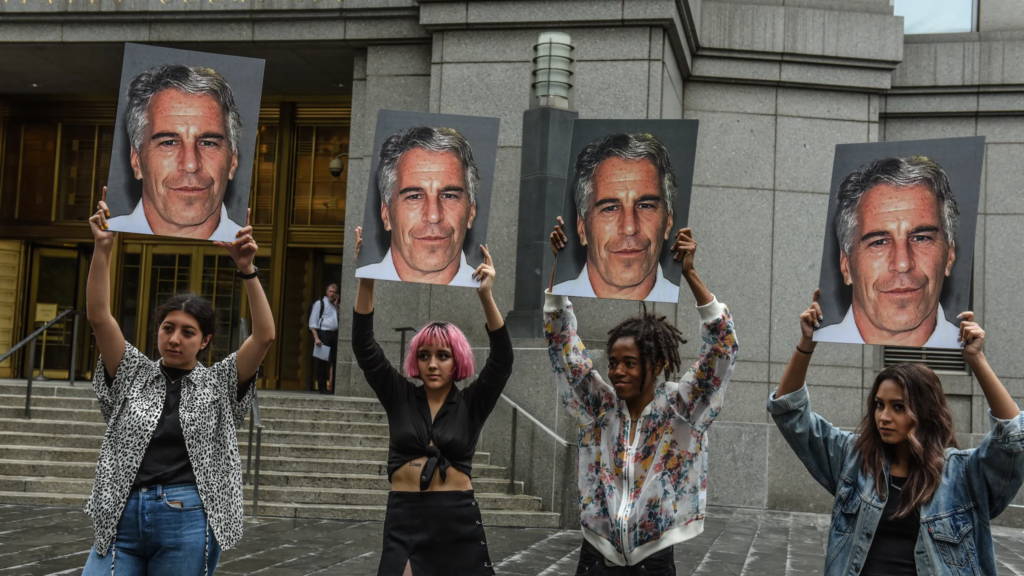
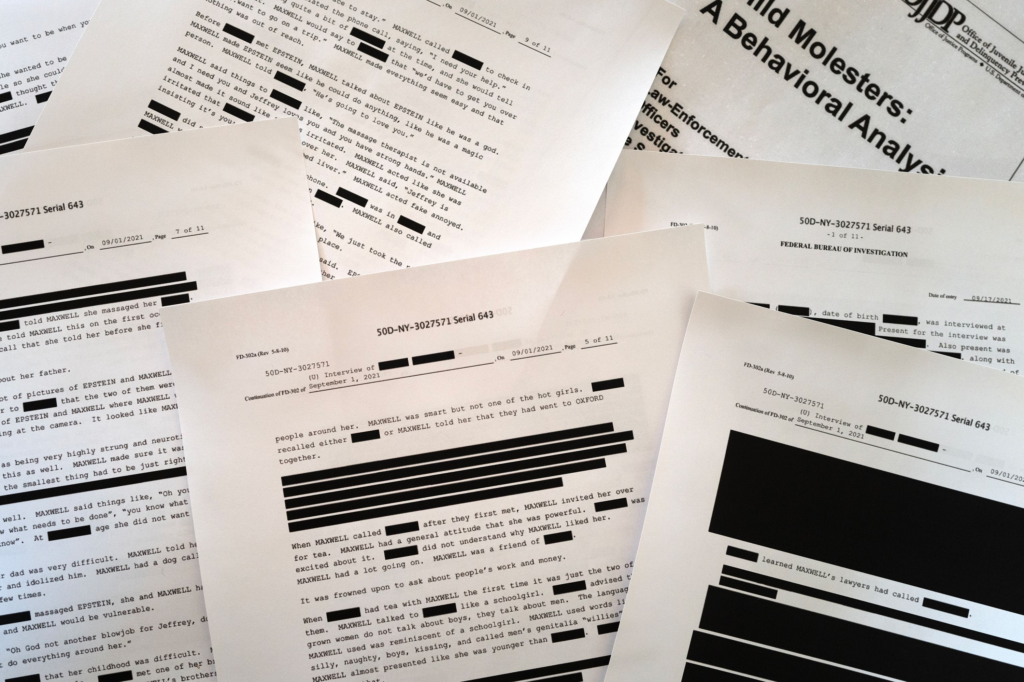
The United States Department of Justice has been releasing millions of documents from what it calls the “Epstein library” — the accumulated communications, financial records, and correspondence of Jeffrey Epstein, the financier convicted in 2008 of soliciting prostitution from a minor and arrested again in 2019 on federal sex trafficking charges before his death in custody that August. Among the many public figures whose names and private communications have surfaced in those files, Sarah Ferguson — the former Duchess of York and ex-wife of Prince Andrew — has become one of the most prominent, and the picture the emails paint is significantly more complicated than the public distance she has claimed to maintain from Epstein since his convictions became impossible to ignore.
CNN’s examination of dozens of files in the Epstein library, published in March 2026, found a pattern of correspondence that stands in direct contrast to Ferguson’s public statements about her relationship with the financier. And the most recent reporting, from June 27, adds a specific detail that has not previously been fully reported: according to emails reviewed by NewsNation, Ferguson visited Epstein not once but twice while he was participating in a work release program at a company that federal investigators later confirmed was fictitious — created by Epstein specifically to secure those work release privileges and, according to victims, used as a site of abuse.
It is important to state clearly at the outset: Ferguson has not been accused of any crime in connection with Epstein. The appearance of a person’s name in the Epstein files does not, by itself, suggest criminal wrongdoing. What the files do reveal is a private relationship that was substantially warmer, more financially entangled, and more personally significant to Ferguson than the public record has previously suggested — and a pattern of behavior that raises serious questions about her judgment and the accuracy of her public statements about how well she actually knew Epstein and what she knew about him.
The Work Release Program — and the Fake Company
To understand what Ferguson’s visits actually mean, it is necessary to understand where she was going. Epstein served his 18-month sentence at the Palm Beach County Stockade, beginning in 2008, after pleading guilty to a single charge of procuring a minor for prostitution. The plea deal — widely criticized at the time and subsequently investigated for the extraordinary leniency it showed a man whose conduct federal investigators had documented far more extensively — also granted Epstein access to a work release program that allowed him to leave his cell for up to 12 hours a day, six days a week.
To qualify for work release, Epstein registered the Florida Science Foundation, a nonprofit organization that ostensibly provided him with a legitimate employer to report to. Federal investigators and victims’ advocates have since established that the Florida Science Foundation was not a functioning organization in any meaningful sense. It was, according to those accounts, a mechanism — a paper entity created to satisfy the legal requirements of the work release program and give Epstein access to an office where he could conduct his affairs largely unsupervised. At least one victim, a woman named Roza, told Congress that Epstein offered her a job at the foundation and abused her there during the work release period.
It was at this office — this fictitious company, at this address, during a period when Epstein was technically still serving a criminal sentence — that Sarah Ferguson came to visit him. According to the emails reviewed by NewsNation, she visited twice, with a third visit planned but canceled at the last minute.
The Emails: What Ferguson Actually Wrote
The substance of Ferguson’s correspondence with Epstein, as documented in the DOJ files, tells a story about the nature of their relationship that is difficult to reconcile with the public distance she has attempted to maintain.
In early April 2009 — nine months into Epstein’s sentence — Ferguson emailed him to say she was landing in Palm Beach in a few hours and wanted to know whether she could stop by for “a quick cup of tea.” Epstein, who still had months remaining on his sentence, confirmed he was available. Two days later, he wrote to say she looked great — a comment suggesting the visit had occurred. The warm, casual register of both messages — neither person treating the situation as legally or morally exceptional in any way — is among the more striking details in the correspondence.
The broader pattern of Ferguson’s emails to Epstein during this period is equally revealing. She referred to him consistently in terms that suggest not a casual acquaintance or a professional contact but a genuinely close personal relationship. She called him her “spectacular and special friend” and “the brother I have always wished for.” She told him, explicitly and in writing, “I am so proud of you” — a sentiment expressed while he was serving time for procuring a child for prostitution.
She inquired repeatedly about borrowing money from him, asking whether he could lend her funds and whether he might employ her as his “house assistant.” She sought his advice on business ventures, including a project called “Mothers Army” — an initiative aimed at helping mothers in need, which Epstein reportedly helped her conceptualize and which she subsequently incorporated as an official entity in October 2011. Public records confirm that the company was dissolved in December 2016, with Ferguson listed throughout as a director.
On more than one occasion, Ferguson also jokingly suggested that Epstein should marry her. The emails, reviewed by CNN across dozens of documents, paint a portrait of a woman who was financially dependent on and personally devoted to a man whose crimes were not, by the time of this correspondence, matters of allegation — they were matters of record.
The Public Record vs. The Private Correspondence
What makes the emails particularly difficult to dismiss is the gap they reveal between what Ferguson said publicly about Epstein and what she wrote to him privately. In an interview, Ferguson tied Epstein to pedophilia and publicly distanced herself from him — a statement that, on its face, read as a clean repudiation of someone she had recognized as dangerous. The DOJ files reveal what happened next: Ferguson, in private correspondence, apologized to Epstein for those public comments. She was, according to the emails, remorseful not about her association with a convicted sex offender but about having said something that might have hurt his feelings.
That sequence — public condemnation, private apology — is among the more damning details in the files, because it suggests that the public statements were strategic rather than sincere. A person who genuinely believed their friend had done something monstrous does not typically write to apologize for saying so. A person managing their reputation while maintaining a private relationship might.
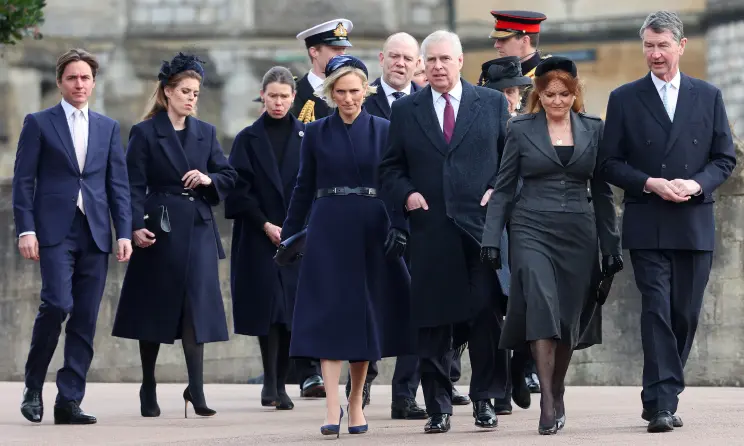
The broader Royal Family context adds further weight. Ferguson’s ex-husband, Prince Andrew, has faced extensive public consequences for his own association with Epstein — stripped of his royal duties and titles, removed from his residence in the Windsor Estate, and arrested in February 2026 on suspicion of misconduct in public office, with those charges still pending. Six companies linked to Ferguson were reported to be shutting down in the aftermath of the DOJ file releases, CNN previously reported. The institutional damage to the House of Windsor from the Epstein connection has been severe and ongoing, and Ferguson’s emails add another chapter to a story that the Royal Family has been unable to close.
What Ferguson Has Said — and What She Hasn’t
CNN reached out to a representative for Ferguson for comment on the email revelations. As of publication, no response has been received. Ferguson has not made a public statement specifically addressing the DOJ file correspondence or the work release visits. Her previous public statements about Epstein have emphasized distance and repudiation — a position that the private emails complicate substantially.
It is worth restating the legal baseline: Ferguson has not been accused of crimes related to Epstein. Visiting someone during a work release program, while troubling given who Epstein was and what he was doing during those visits according to victims, is not itself a criminal act. The emails establish a relationship, a pattern of communication, and a significant gap between public statements and private behavior. They do not, on their own, establish legal culpability.
What they do establish is a portrait of a woman who was, during the period Epstein was serving his first criminal sentence, more financially dependent on him, more emotionally invested in him, and more privately supportive of him than has ever been publicly acknowledged — and who chose, in public, to position herself as someone who recognized Epstein as the threat he was.
Those two things cannot both be true. The emails suggest which one was real.
Why This Story Matters Beyond the Palace
The ongoing release of the DOJ Epstein files has raised questions that go well beyond individual celebrities or royals. The files document, in granular detail, the architecture of access and influence that Epstein built around himself using the names, reputations, and photographs of prominent figures to give himself credibility and social legitimacy. Ferguson’s emails suggest Epstein was doing exactly that with her: her name appears in his correspondence as a calling card, with emails indicating he offered contacts access to royal institutions including Buckingham Palace Apartments using her connection.
The broader implication — that Epstein’s social network was not incidental to his crimes but integral to his ability to continue committing them — is a thread that the DOJ files are making increasingly difficult to ignore. The people who wrote warm emails to a convicted sex offender, who visited him during his sentence, who sought financial favors from him and apologized privately for public criticisms they made of him publicly: they are part of that architecture, whether they understood themselves to be or not.
The files will continue to be released. The emails will continue to surface. And the gap between the public stories prominent people have told about their relationship with Epstein and the private record those documents preserve will continue to widen — one revelation at a time.