

Televison New
- Newsbeat , Newness
- Tháng 6 25, 2026
- 88 views
“I Drive a Truck and Have Seen a Horse Up Close Maybe 3 Times”: Why Heartland Keeps Winning Viewers It Was Never Made For
Here is a sentence that appeared in a real IMDb review of Heartland, written by a real person who gave the show a perfect ten: “First off, I’m a 32 year old man living in Upstate New York. I drive a truck and have seen a horse up close maybe 3 times. I love this show.” That review, sitting alongside more than 21,000 others that have given Heartland an 8.4 out of 10 on IMDb, is not an outlier. It is a data point in a pattern that the entertainment industry has spent nineteen years failing to adequately explain: a Canadian family drama about a horse healer, marketed primarily at women and families, watched almost compulsively by people who share almost none of the demographic assumptions behind its existence. Understanding why that keeps happening — why Heartland keeps finding viewers it was never designed for — turns out to be one of the more interesting questions in contemporary television.
The Reviews That Tell the Real Story
IMDb user reviews are not a scientific sample, but they are something almost as useful: unfiltered first-person accounts from viewers who felt strongly enough to write something down. The Heartland review section is notable not just for its volume but for the range of voices it contains. Alongside the expected responses from horse enthusiasts and longtime family drama fans, there is a consistent thread of reviews from people who begin with some version of the same disclaimer: they are not the intended audience, they stumbled onto the show by accident, and they are now embarrassed by how much they enjoy it.
One reviewer describes the show as “clearly-no-longer secret pleasures” — the language of someone who half-expected to feel judged for liking it, and found themselves hooked anyway. Another writes about the “mix of urban experience and back to the horse-manure land operation” as though the very incongruity is part of what drew them in — a city person’s fascination with a life structured around entirely different rhythms. A third notes that while horses are technically the hook, “I could quite easily watch the series without the horses, they are an added bonus” — which is a remarkably candid admission from someone who came for the animals and stayed for something else entirely.
What these reviews collectively describe is not a niche genre experience. They describe something much more basic: a show that makes people feel something real, reliably, across nineteen seasons, regardless of whether they came in predisposed to like it.
What the Show Is Actually About, Underneath the Horses
The most common misread of Heartland from the outside is that it is a show about horses. It is not. It is a show about people who use horses as a medium for working through the things they cannot say directly — grief, guilt, fear of not being enough, fear of being left. The horses are the language. The story is always about something else.
That distinction matters enormously for understanding why the show reaches people outside its apparent target demographic. A 32-year-old truck driver in Upstate New York has no particular reason to care about equine therapy. But he has every reason to care about a young man with a troubled past — Ty Borden — who is given a second chance by a family that did not have to extend one. He has every reason to care about a grandfather — Jack Bartlett — who loves his family with a ferocity he expresses almost entirely through action rather than words. He has every reason to care about what it means to hold onto land that carries the weight of six generations, and whether that weight is a gift or a burden or both.
One IMDb reviewer put it plainly: “The message Heartland and nature portrays — there is more to live than city living. There’s more out there. And it’s a richer life.” That observation, from a self-described non-horse person, identifies something the show communicates that has nothing to do with horses at all: a vision of a life organized around physical reality, meaningful labor, and direct human connection, offered to an audience that increasingly experiences the world through screens, algorithms, and the peculiar loneliness of hyper-connected urban existence.
The Comfort TV Effect: What 695 Million Hours Actually Means
Heartland sits at an 8.4 out of 10 on IMDb across more than 21,000 reviews, which is a remarkably consistent score for a show of its length. Individual episodes in Season 18 consistently scored above 9 out of 10, reflecting not just loyalty but active enthusiasm from a fan base that shows no signs of engagement fatigue after nineteen seasons. That kind of sustained, high-level viewer satisfaction is genuinely unusual, and it points to something specific about what the show is doing right.
Television researchers have identified a category of viewing behavior they call “comfort watching” — the deliberate selection of familiar, emotionally safe content as a regulatory response to stress, anxiety, or the general cognitive load of contemporary life. Heartland is, by almost any measure, the ideal comfort watch: predictable enough in its emotional structure to feel safe, varied enough in its storylines to stay interesting, long enough in its back catalog to sustain extended binge sessions, and emotionally consistent enough that viewers know what they are getting every time they press play. One reviewer described “sleepless nights” spent watching Heartland marathons until morning — not as a guilty pleasure but as a deliberate, functional choice. Another described it as something she turns on when she needs to feel “a light and happy feeling at the end of each episode.”
That functional dimension — watching Heartland not because you’re passively entertained but because it actively helps you feel better — explains a significant portion of the 695 million viewing hours the show accumulated on Netflix between 2023 and mid-2025. Comfort watching drives repeat viewings in a way that prestige drama rarely does. A viewer who uses Heartland as emotional regulation will watch the same seasons multiple times; a viewer who watched Succession for the plot rarely returns to episodes they have already seen. For a streaming platform whose engagement metrics reward hours watched rather than unique viewers, that behavior pattern is extraordinarily valuable — and it is a pattern the show generates almost automatically, in viewers who had no prior intention of becoming devoted fans.

The Demographic That Nobody Designed For
There is a specific type of viewer that Heartland‘s existence-by-accident reveals: the person who does not belong to any of the categories the show was made for, but who finds, upon watching it, that the show was somehow made for them anyway.
This viewer is sometimes male, sometimes urban, sometimes young, sometimes someone who laughs at the idea of watching a Canadian family drama about horses. What they share is not a demographic characteristic but a psychological one: the specific hunger for a show that takes its characters seriously, earns its emotional moments, and delivers a consistent sense that the people in it are genuinely trying to be good to each other and mostly succeeding. That combination turns out to be rare enough, and valuable enough, that when viewers stumble onto it they respond with the kind of loyalty that generates 21,000 IMDb reviews and 695 million hours of streaming.
“I would recommend Heartland to everyone of all ages,” one reviewer wrote, in a sentence that functions as both endorsement and genuine surprise. “It will fill your heart with joy.” It is the kind of statement that sounds like marketing until you read the sentence before it, which describes the reviewer as someone who came to the show with skepticism and was simply wrong about it.
That experience — being wrong about something in a direction that makes your life slightly better — is what Heartland keeps delivering to viewers who had no business falling in love with a show about a horse-healing cowgirl on a ranch in Alberta. It is, in its own quiet way, a form of the same thing Amy Fleming does for traumatized horses: not forcing anything, just creating the conditions for trust to develop, and waiting for the rest to follow.
- Newsbeat , Newness
- Tháng 6 25, 2026
- 177 views
Heartland Is Now on 25 Streaming Platforms at Once — And That’s More Unusual Than You Think
Most television shows live or die on one or two streaming platforms. They are exclusive to Netflix, or they are a Peacock original, or they are locked behind a single network’s paywall — and their audience is, accordingly, defined by which subscription that household happens to have. Heartland operates by a completely different logic. As of June 2026, JustWatch data confirms that the show is simultaneously available across 25 streaming services in the United States — a distribution footprint that rivals shows with five times its marketing budget and a fraction of its longevity. Understanding how a Canadian ranch drama built that kind of reach, and what it means heading into what may be its final season, requires tracing a distribution strategy that has been quietly expanding for years while most entertainment coverage looked the other way.
The Full Platform List: Where Heartland Lives Right Now
Before analyzing the strategy, it helps to see the scope of it. As of the most recent JustWatch tracking update on June 21, 2026, Heartland is currently available on the following platforms in the United States:
Paid streaming: Netflix, YouTube TV, UP Faith & Family (Apple TV Channel and Amazon Channel), fuboTV, Philo, Hallmark+ (Amazon Channel and Apple TV Channel), Peacock Premium, Peacock Premium Plus, Pure Flix, Great American Pure Flix (Amazon Channel), Wonder Project (Amazon Channel), Dove (Amazon Channel), Hallmark TV (Amazon Channel)
Free with ads: The Roku Channel, Xumo Play, Tubi TV
Purchase/rental: Amazon Video, Fandango At Home, Apple TV Store
Physical: DVD via Amazon and Zavvi
That list spans virtually every tier of the American streaming market: premium subscription services, mid-tier bundles, free ad-supported platforms, transactional VOD, and physical media. A viewer who subscribes to none of these services can still watch Heartland for free on Tubi, Roku Channel, or Xumo Play. A cord-cutter with YouTube TV gets it. A Peacock subscriber gets it. A Netflix subscriber gets it. A Hallmark+ subscriber gets it. The show has, effectively, made itself impossible to not have access to — which is a distribution achievement that very few non-original, non-prestige cable dramas have managed at this scale.
The Hallmark Move: The Deal That Changed Everything
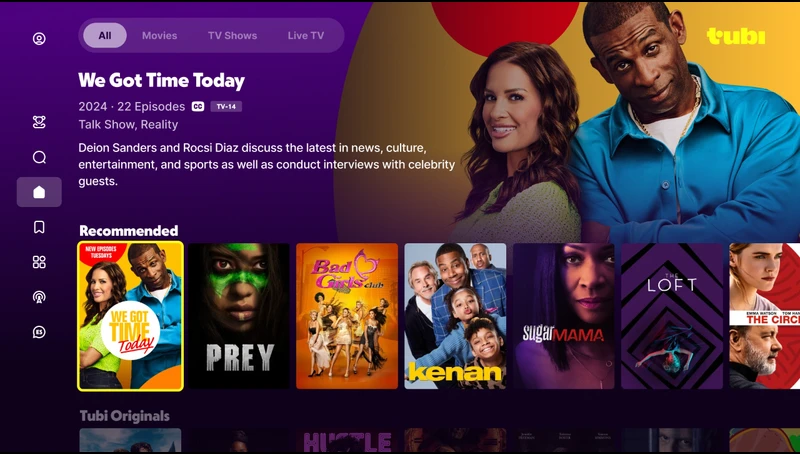
The most significant single distribution development in Heartland‘s recent history — and the one that has received the least coverage — is its arrival on Hallmark Channel in January 2025. Hallmark is not a neutral platform for a show like Heartland. It is arguably the most specifically aligned brand partnership the show could have made outside of its existing relationship with UP Faith & Family.
Hallmark Channel’s audience profile overlaps almost perfectly with Heartland‘s established viewer base: multigenerational families, faith-adjacent viewers, rural and suburban audiences, older women who drive household viewing decisions, and a cohort of younger viewers discovering the network through its expansion into streaming via Hallmark+. The channel’s brand identity — wholesome, family-safe, emotionally consistent — is the same identity Heartland has built for nineteen seasons. Putting the two together was, from a pure audience-matching standpoint, one of the most logical distribution decisions the show has made.
The practical effect has been an expansion of Heartland‘s discovery surface among exactly the viewers most likely to become long-term loyal fans. Someone already watching When Calls the Heart or Chesapeake Shores on Hallmark is precisely the viewer most likely to be converted by a Heartland recommendation from the same platform — and that recommendation now happens automatically, through the platform’s own algorithmic and editorial suggestions, without requiring any additional marketing spend from the show’s producers.
The Free Tier Strategy: How Heartland Finds New Fans Every Day
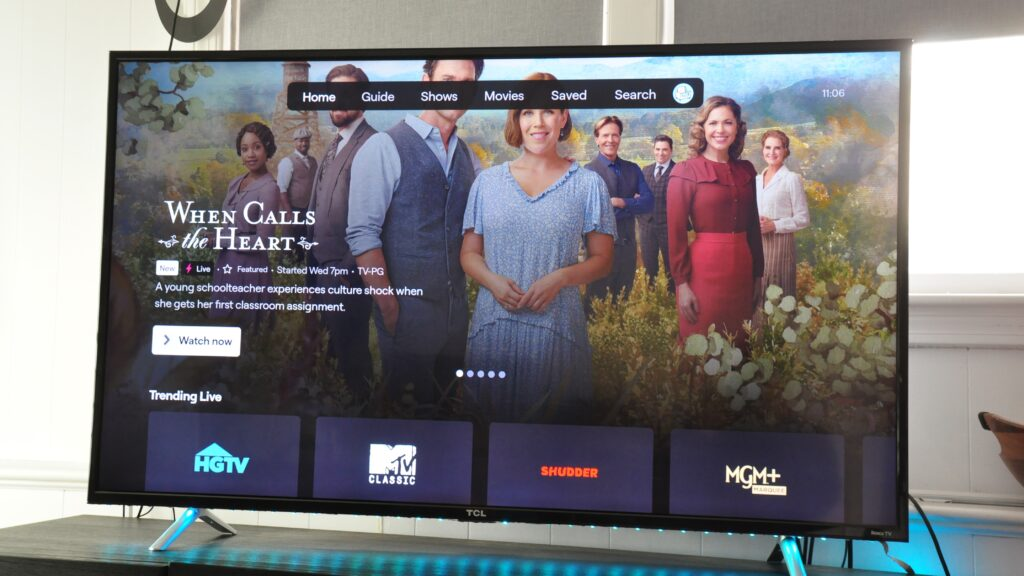
Of all the distribution channels Heartland now occupies, its presence on free ad-supported streaming platforms — Tubi, The Roku Channel, and Xumo Play — may be the most strategically significant for its long-term audience growth. Free platforms do something that paid platforms cannot: they remove the barrier of subscription cost entirely, which means Heartland can be discovered by viewers who would never proactively choose to add another streaming service just to try a show they’re not certain about.
Tubi, in particular, has become a meaningful discovery engine for older catalog content. With over 80 million monthly active users in the United States, Tubi’s audience skews toward viewers in smaller markets, rural areas, and lower-income households — demographic segments that overlap substantially with Heartland‘s core audience and that are significantly underserved by the prestige streaming economy. A viewer in rural Tennessee or small-town Ohio who discovers Heartland through Tubi is not the viewer Netflix’s recommendation algorithm was designed to find. But they are exactly the viewer the show has always been made for.
The Roku Channel adds another layer: with over 80 million active accounts on the Roku device ecosystem, it is one of the largest free streaming platforms in the country, reaching a hardware-defined audience that spans income levels and geographic markets in ways that app-based platforms do not. For a show with 279 episodes of back catalog, the combination of Tubi and Roku Channel creates a continuous, self-renewing discovery cycle — new viewers find the show for free, watch through the catalog, and then migrate to paid platforms to access the most recent seasons that the free services don’t yet carry.
What 25 Platforms Actually Means for a Show Heading Into Its Final Season
The timing of Heartland‘s distribution expansion makes its current platform footprint particularly notable. Season 20 — which many outlets and tracking services now describe as “expected to be its last” — is currently filming in Alberta, with a fall 2026 premiere on CBC planned. If the show is genuinely approaching its ending, the fact that it now reaches American audiences across 25 separate platforms means that its finale, whenever it airs on CBC and eventually makes its way through the UP Faith & Family exclusivity window toward Netflix US, will land in front of an audience that has been continuously refreshed by new discoverers on free platforms for years.
This is not incidental. It means that when Season 20 finally becomes available across the full platform ecosystem — likely 2027 on UP Faith & Family for US fans, 2028 on Netflix US — there will be viewers who just finished Season 1 on Tubi sitting alongside fans who have watched every episode since 2007. The finale of Heartland, if Season 20 is indeed the last chapter, will be experienced by the most distributed, most demographically diverse, and most geographically spread audience the show has ever had.
That is an unusual thing for a series that began as a modest Canadian family drama without a significant marketing budget or an American network home. It built its audience slowly, on trust, and it now distributes that audience across more platforms than most American prestige dramas manage in their entire run.
For a show that has always been about finding what you need in unexpected places, the distribution strategy has turned out to be unexpectedly appropriate.
- Newsbeat , Newness
- Tháng 6 23, 2026
- 128 views
Be Content Just Being Who You Are”: The Life Philosophy of Amber Marshall That Makes Her Different From Every Other TV Star
There is a particular kind of celebrity that comes from spending two decades playing a beloved character in a beloved show, and it tends to produce one of two things: an actor who cannot separate themselves from the role, or an actor who quietly builds a life so full and genuine that the role becomes just one part of a much larger story. Amber Marshall, who has played Amy Fleming on Heartland since 2007, belongs firmly in the second category. Ask her about fame, and she will redirect the conversation to her horses. Ask her about legacy, and she will tell you about the families who write to say they watch the show together. Ask her about happiness, and she will tell you something so simple it almost sounds like a deflection until you realize she actually means it: “I want to show people that you can be content just being who you are.” That sentence — six words of philosophy inside an interview answer — is as close to a mission statement as Marshall has ever offered. And over nineteen seasons on one of television’s most quietly influential shows, she has earned the right to mean every word of it.
The Dream That Had to Wait
Marshall was born on June 2, 1988, in London, Ontario — and she knew what she wanted almost immediately. She began riding at the age of three, was circling ranch property listings in real estate magazines by the time she was ten, and had her heart set on a life that combined animals with performance from before she had the vocabulary to describe what that combination might look like professionally.
She waited a long time for it. Her early career consisted of television commercials and small guest roles — appearances in Twice in a Lifetime, Doc, Monk, Dark Oracle, and a TV movie about Elizabeth Smart — the kind of résumé that sustains hope without yet confirming it. The Heartland pilot came in 2007, when she was eighteen years old. “It wasn’t until I was 18 that I got Heartland,” she told an interviewer with a smile that suggested she had made peace with the timeline. “So I had to wait a little while before that dream came true.”
That patience — the willingness to wait for the right thing rather than grab the nearest available version of it — is a quality that runs through everything Marshall has said publicly about her career and her life. She did not move to Los Angeles to chase visibility. She moved to Alberta when the show brought her there, found that it felt right, and stayed. She has filmed in the same geographic area for nearly twenty years. She calls that a feature, not a limitation.
On Animals: The Philosophy That Predates the Career
Long before Heartland, before Amy Fleming, before any of it, Amber Marshall had a horse named Tony the Pony who started everything. The relationship between Marshall and animals is not a persona she adopted for the show and maintained afterward — it is the foundation on which everything else was built, including the show.
Her most quoted statement on the subject captures something specific about why animals matter to her in a way that goes beyond simple affection: “Animals keep me grounded. They don’t care who you are or what you look like — they just say, ‘All right, let’s go do this.'” That last phrase — all right, let’s go do this — is not poetic language. It is the language of someone who genuinely prefers the company of creatures that make no distinctions between who you are on television and who you are in a barn at six in the morning. Animals are, in her framing, the original antidote to ego.
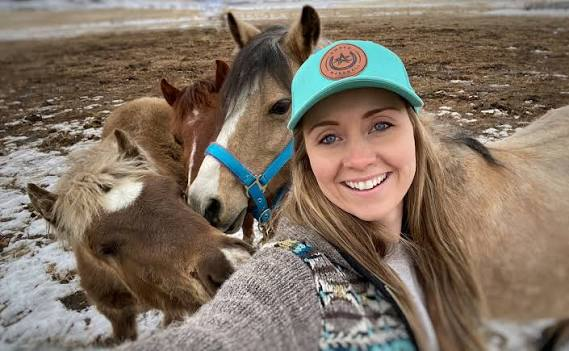
During breaks between filming seasons, Marshall volunteers at veterinary clinics and a Wildlife Rehabilitation Centre, where she has participated in raptor classes to gain experience working with falcons and hawks. These are not scheduled appearances or charity photo opportunities — they are activities she pursues specifically to expand her knowledge of animals beyond what the show requires of her, in settings where her name means nothing and her competence with the animal in front of her is the only thing that matters. That choice, repeated quietly across two decades, says more about her actual values than any interview answer could.
“Any chance I get, I’m spending it with my animals,” she told Cowgirl Magazine in January 2026. “They make me happy. They’re what keep me balanced.”
On the Show’s Legacy: Lives Touched, Not Awards Won
Marshall won the inaugural Canada’s Screen Star Award at the first Canadian Screen Awards — a recognition from the industry that her work had been seen and valued. She has not made much of that award in subsequent years. What she talks about instead, consistently and across many different interviews, is the mail.
“I live my life for me,” she told MovieGuide in 2026, “but I also think about the hundreds, thousands of lives I’ve touched through the show, interviews, whatever it might be. I hear from families who say, thank you for creating something wholesome we can watch together. That means a lot.”
That framing — not awards, not viewership numbers, not streaming charts, but the specific experience of families watching something together — reveals what she actually thinks the show is for. Not content delivery. Not brand building. Not prestige. Something closer to what she described in another interview as the quiet power of horses and open spaces to bring people together: a feeling that cannot be manufactured or monetized, only maintained, season after season, by people who actually believe in what they are making.
Her articulation of why Heartland has lasted nineteen seasons — and why she believes it could last more — always comes back to this same ground. “I believe horses have a lot to do with the longevity of Heartland,” she says. “You can feel their power even through a screen.” It is a statement that would sound like marketing language from almost anyone else, but from Marshall, who works with her own horse Hawk on set every day, goes home to her farm in Alberta every night, and spends her off-seasons at veterinary clinics by choice, it reads as observation rather than pitch.
On Fame: Why She Never Chased It
The most striking thing about Amber Marshall’s public persona, observed across nearly two decades of interviews, is how completely it fails to perform celebrity. There is no aspiration toward a larger platform, no pivot toward film or American television, no calculated brand evolution. Her clothing store in Diamond Valley sells western wear made by local Alberta artisans. Her farm outside Calgary is where she actually lives. Her social media reflects the same life she describes in interviews. The consistency between what she says and how she lives is so complete that it has become, almost paradoxically, one of the most distinctive things about her in an entertainment industry built on aspiration and reinvention.
She went skydiving last season with her husband Shawn and a few Heartland castmates, and her description of the experience is characteristic: “It was peaceful. You can’t really describe it until you’ve done it. We were free-falling for almost a minute, then just gliding for eight minutes, looking around at everything. It was for us. We loved it.” She is not describing a content moment. She is describing a private experience she is willing to share because it was genuine, not because it was photogenic.
Her philosophy of contentment — “I want to show people that you can be content just being who you are. Laugh at yourself. Do crazy things. Live for you, not anyone else. Do it because it feels right and makes you happy” — is not the language of someone managing a public image. It is the language of someone who made a specific kind of peace with herself early enough that she never needed to manage one.
On the Character She Has Become
Perhaps the most revealing thing Marshall has said about the relationship between herself and Amy Fleming is also the simplest: “I think that over time, my character has become more like me, and I have become more like my character.” That mutual influence, tracked across nineteen seasons of scripts and improvisations and genuine relationships with animals on a genuine ranch, is what makes the show’s authenticity feel earned rather than performed. Amy Fleming heals horses by paying attention and staying calm. Amber Marshall volunteers with raptors on her days off. One of those things is fictional. The other is not. The gap between them is narrower than it has any right to be.
“My life has kind of been on repeat for twenty years,” she said in a January 2026 interview. “Filming through summer, traveling through fall, family time at Christmas, then back on the road until spring.” She said it not as a complaint but as a description — of a life that has found its rhythm and kept it, which is a rarer kind of success than most people in the entertainment industry are willing to admit they actually want.
As Season 20 films in Alberta this summer, Marshall has said she hopes the show can continue for “another decade or more.” Whether that happens depends on decisions above her. But what she has already built — the career, the farm, the store, the philosophy, the two decades of families watching together — does not depend on any of that. It is already there.
- Newness , Newsbeat
- Tháng 6 23, 2026
- 107 views
Hearing Aids and Breakdowns: The Quiet Heartland Season 19 Storyline That Hit Harder Than the Proposal
Everyone is talking about Nathan’s proposal. Everyone has an opinion about whether Amy should say yes. Everyone is counting down to Season 20’s premiere to find out what she said in that firefly-lit field on Salt Spring Island. That conversation is real and it matters — but it has almost entirely eclipsed what may be the most emotionally precise thing Heartland Season 19 actually did: the slow, parallel unraveling and rebuilding of Jack Bartlett and Lou Fleming, told through a hearing aid and a near-breakdown, in a season that used its quietest moments to say something the show has rarely said this directly. Heartland does not survive because one person is strong enough to hold it together. It survives because people learn, eventually, to stop trying to do that alone.
Two Characters, One Question
Jack Bartlett is eighty-something years old in the show’s current timeline — a man who has kept his promise to hold onto six generations of ranch land for his entire adult life. Lou Fleming is forty-three, a former New York career woman who came home when her mother died and never fully left — a woman who has spent two decades trying to do everything, fix everything, and control the outcome of situations that resist control. On the surface, they are very different characters at very different stages of life. Season 19 revealed how much they share.
The season’s official premise — the Bartlett-Fleming family risks everything to keep Heartland and those they love out of harm’s way — applies most literally to the cattle rustler storyline and the Pryce family rivalry. But it describes Jack and Lou’s internal arcs just as accurately. Both of them, across ten episodes, are quietly risking the thing they most fear losing: their usefulness. Their identity as the people the ranch cannot function without. Their certainty that Heartland needs them specifically, in the form they have always taken, or it will fall apart.
Season 19 tests that certainty carefully and methodically, and finds it wanting — in the best possible way.
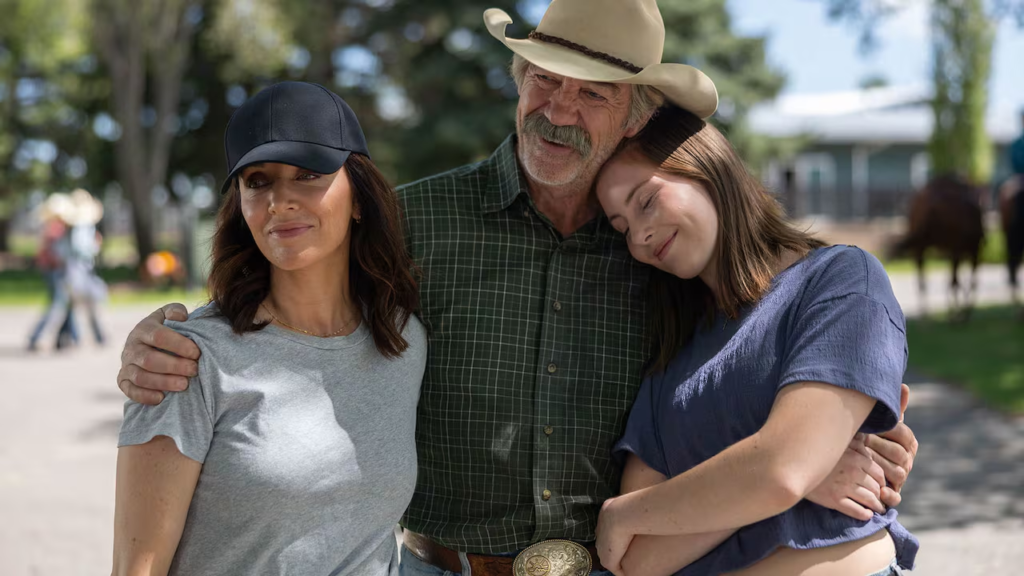
Jack’s Arc: The Hearing Aid He Didn’t Want to Need
The Jack storyline in Season 19 operates almost entirely through indirection — which is how the show has always written him best. Jack Bartlett does not monologue about his fears. He resists hearing aids. He hesitates before accepting Dex, the new ranch hand, whose arrival he didn’t initiate and doesn’t entirely welcome. He pushes back against the idea of extra help with the kind of quiet stubbornness that is recognizable to anyone who has watched a person they love refuse to acknowledge that something has changed.
What makes the hearing aid detail so effective is its specificity. A hearing aid is not a dramatic medical crisis — it is a small, mundane accommodation to the reality of aging, the kind of thing that millions of people navigate without fanfare. But for Jack Bartlett, a man whose entire identity has been built around presence, authority, and the ability to hear what is happening on his land before anyone else does, it is not small at all. His resistance to the hearing aid is his resistance to the idea that Heartland can continue even when he is no longer able to do everything himself. His fear of becoming less useful — of being sidelined, of needing to be managed rather than consulted — is the fear underneath every hesitation and every refusal of help across the season.
The show handles this without sentimentality. Jack doesn’t have a breakdown. He doesn’t deliver a speech about his fears. He accepts the hearing aid. He hires Dex. He takes difficult but necessary steps without making them dramatic, which is the most accurate portrayal of how real people navigate this particular kind of loss — quietly, reluctantly, and with the pretense that it doesn’t cost them anything.
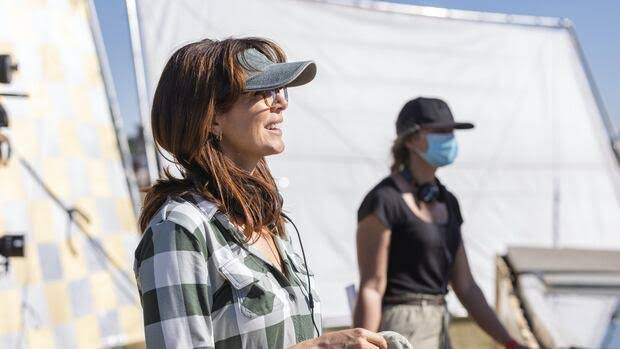
Lou’s Arc: The Controlled Collapse of Someone Doing Too Much
Where Jack’s arc unfolds through small refusals and small acceptances, Lou’s Season 19 arc is about the slow accumulation of pressure until even her considerable capacity for control begins to crack. Between managing Heartland Beef, protecting the ranch from rustlers, and keeping the family’s financial situation from deteriorating, Lou has spent the season operating under constant, unrelenting pressure — and her response to that pressure is to take on more of it, because the alternative is admitting she cannot handle it alone.
That pattern is Lou Fleming’s defining flaw and her most recognizable quality. She is, as the show has always known, the kind of person whose instinct in any crisis is to become more useful rather than to ask for help. She controlled the Heartland Beef operation. She controlled the response to the rustler threat. She controlled her anxiety about the ranch’s financial situation by working harder at controlling outcomes. And in Season 19, the show watches all of that controlled energy turn into something that is beginning to collapse under its own weight.
The cattle losses in the finale hit especially hard because they represent the failure of all that control. Lou seriously considers taking out a loan — not out of ambition, but out of fear that if she lets her guard down for a moment, everything will fall apart. That distinction matters: this is not Lou making a bold business decision. It is Lou operating from fear, which is a place the show has rarely put her so explicitly.
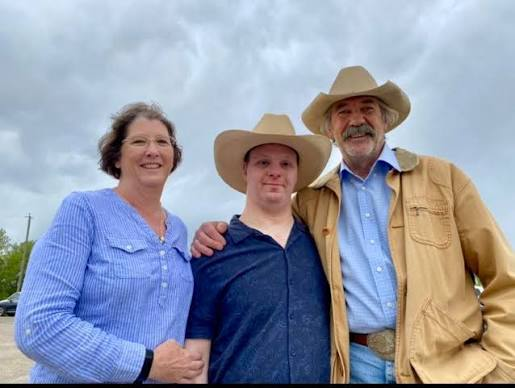
The Moment Both Arcs Converge
By the Season 19 finale, “Forgiveness,” both Jack and Lou have arrived at the same difficult truth through different paths. Jack has already taken his steps — accepting hearing aids, hiring Dex, trusting others to do their part — and is watching Lou work through the same lesson he has been quietly learning all season. Lou, pushed past her limit by the cattle losses and the rustler confrontation, begins to recognize what Jack’s arc has been demonstrating for ten episodes: that Heartland’s strength has never come from one person holding everything together. It has always come from the family sharing the load.
That realization is expressed not in a single dramatic scene but in the accumulation of several quieter ones: Lou beginning to follow Jack’s lead. Jack not needing to say much because he has already said it by example. The two of them arriving at a shared understanding — that the instinct to carry everything alone, however understandable, is not a form of strength. It is a form of fear dressed up as competence.
This parallel structure is one of Season 19’s most sophisticated pieces of writing. The show takes two characters who are ostensibly very different — the old patriarch resisting his own aging, the driven middle-aged woman resisting her own limits — and reveals that they are running the same emotional program, at different speeds, toward the same resolution. Neither of them gets a triumphant moment. Both of them get something quieter and more durable: the beginning of a different relationship with their own limitations.
Why This Storyline Deserves More Attention
In a season that ended with a firefly-lit marriage proposal and a cliffhanger that sent fan communities into extended debate, the Jack-Lou parallel arc has been significantly underweighted in post-season coverage. That is understandable — the proposal is more immediately dramatic, more shareable, more debatable. But the Jack-Lou storyline is arguably the one that does more lasting work for the show’s thematic identity.
Heartland has always been about family as a form of resilience — the idea that what keeps a ranch, or a family, or a community going is not individual strength but collective responsibility. The Jack-Lou arc in Season 19 is the purest expression of that theme the show has delivered in several seasons. It takes two of the show’s oldest and most familiar characters and finds something genuinely new to say about them — not through dramatic plot twists, but through the kind of quiet, specific character work that the show does better than almost any other drama currently on television.
Heading into Season 20, which may be the show’s final chapter, that arc carries particular weight. If Heartland is building toward a conclusion, the lesson that Jack and Lou arrived at in Season 19 — that holding on too tightly to being the one who holds everything together is itself a kind of letting go — feels like exactly the kind of thematic groundwork a finale needs. Not a resolution. A foundation.
- Newness , Newsbeat
- Tháng 6 23, 2026
- 108 views
Why Graham Wardle Really Left Heartland — And Why He’s Never Coming Back
Few exits in Canadian television history hit harder than Graham Wardle’s departure from Heartland in 2021. After fourteen seasons as Ty Borden — the troubled ranch hand turned devoted husband, father, and veterinarian who spent fourteen years growing up on screen alongside Amy Fleming — Wardle chose to leave. The character he played died of a blood clot in Season 14, Episode 1, in a scene that generated more viewer grief than almost any other moment in the show’s nineteen-year run. In the years since, the rumours have been persistent: that he was pushed out, that there was a falling out, that the door might one day open again. The actual story is both simpler and more interesting than any of those versions, and Wardle has told it clearly enough that there is no longer any real mystery about what happened — only a fan base that, understandably, finds it difficult to accept.
The Decision That Started in Season 10
The most important fact about Wardle’s exit is one that most casual viewers don’t know: he started thinking about leaving years before it actually happened. By Season 10 — roughly 2016, with the show already a decade old and Wardle a decade into the role — he had begun quietly wrestling with whether he wanted to continue. He was not unhappy on set. The relationships he had built with the cast and crew were genuine, and his on-screen chemistry with Amber Marshall was the emotional engine of everything the show did best. The question was not about the job. It was about himself.
By Season 13, the internal debate had resolved into a clear decision. He was sure he wanted to leave, and he told the production team. What followed was not a sudden departure but a carefully managed exit planned over two years — a timeline that reflects both how much the show valued the character and how much Wardle valued the audience that had watched him grow up on screen.
The writers faced an important creative question: how do you write out one of the show’s most beloved characters in a way that feels earned and honest? Leaving Ty alive but simply absent — moving away, taking a job elsewhere, drifting out of the story — was considered and rejected. Together with Wardle, the decision was made that Ty Borden would not simply leave. Ty Borden would die. The groundwork was laid in the Season 13 finale, “The Passing of the Torch,” when a poacher’s stray bullet hit both Amy and Ty on the ranch. Ty’s wound seemed survivable. The Season 14 premiere revealed otherwise.
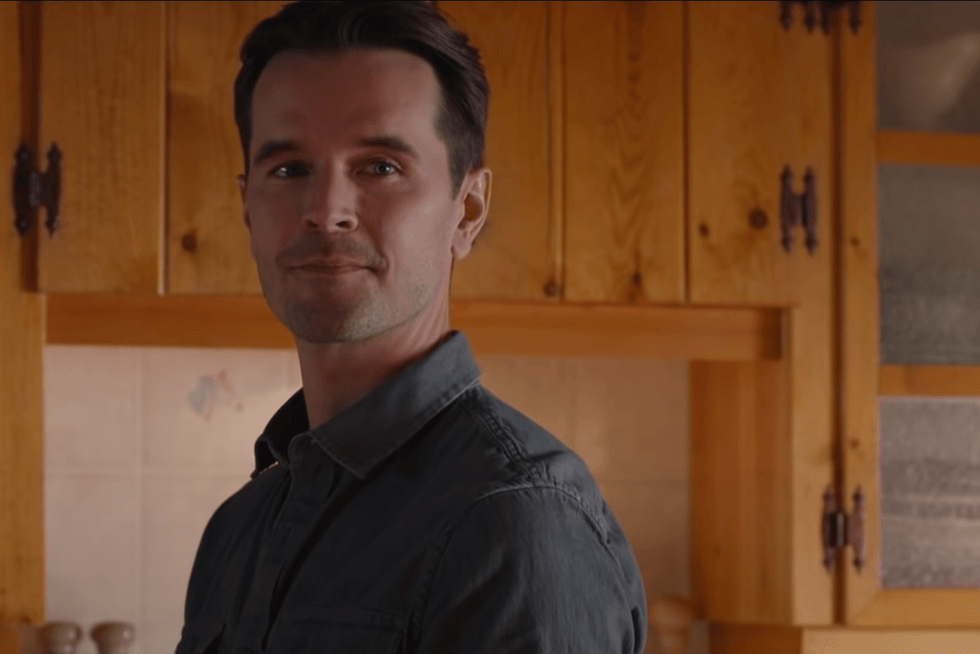
How Ty Borden Actually Died
The medical specifics of Ty’s death matter because they were chosen deliberately. Ty died from deep vein thrombosis — a blood clot that developed as a complication of the gunshot wound he received in the Season 13 finale. He did not die from the bullet itself. He collapsed while tending to his horse Spartan on the ranch, in an environment that was completely familiar and safe, which made the moment land with the particular brutality that comes from tragedy arriving in ordinary places.
The choice to kill Ty from a delayed complication rather than the original wound was narratively significant. It preserved the Season 13 finale’s emotional register — Ty surviving the shooting, the family pulling together, the immediate crisis passing — while making his death feel like the kind of thing that actually happens: not the dramatic moment, but the quiet aftermath that nobody prepared for. For fans who had followed the character for thirteen seasons, the gap between “Ty survived the shooting” and “Ty is gone” was exactly the kind of emotional whiplash that the show has always been willing to inflict when the story called for it.
Wardle’s final regular appearance as Ty Borden was in the Season 13 finale, which aired in 2020. Ty’s death was depicted in the Season 14 premiere, which aired on July 8, 2021. In the years since, Wardle has appeared in flashback sequences within the show, but he has not rejoined Heartland as an active cast member — and based on everything he has said publicly, he has no plans to do so.
What Graham Wardle Has Said — In His Own Words
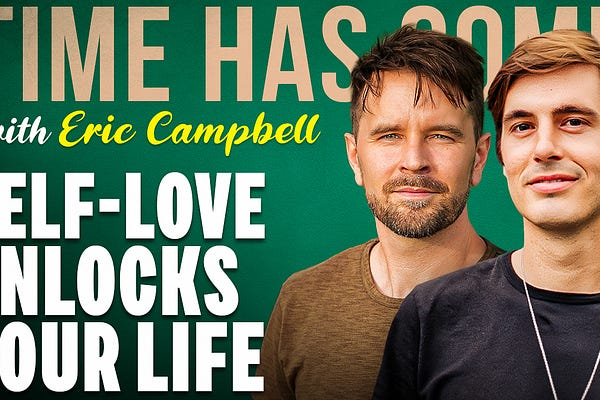
Wardle has not been evasive about his reasons for leaving. In a detailed interview published on his own platform, Time Has Come, he addressed the departure directly and cleared up what he called misconceptions that had circulated since 2021.
He described the decision as following his heart and moving in a new direction after years of contemplation — not a sudden impulse but a gradual, honest reckoning with what he wanted his life to look like. He was explicit that the exit was entirely his own choice, made with the full support of the cast, crew, and production team. He was not fired. There was no falling out. The relationship between Wardle and the Heartland production ended the same way it began — with mutual respect and a shared commitment to giving the character the ending he deserved.
What makes his account particularly candid is the way he describes the timeline. By Season 10, he had thoughts about leaving. By Season 13, the decision was made. That means he spent approximately three seasons still fully committed to the role while knowing he had chosen to leave — a professional discipline that rarely gets acknowledged in coverage of cast departures, which tend to frame these moments as sudden and dramatic. The reality, in Wardle’s case, was the opposite: a long, careful wind-down executed with as much care for the audience as for the character.
He also addressed the quality of what those fourteen years produced. In the same interview, he reflected on his favorite memories from set — not the scenes themselves, but the in-between moments: riding in the shuttle van with Shaun Johnston, workshopping dialogue together, asking each other what a moment meant before they filmed it. He described deep gratitude for working alongside actors who shared his commitment to making the characters feel genuine, and called the experience of playing Ty’s transformation from troubled teenager to devoted husband one of the most meaningful of his professional life.
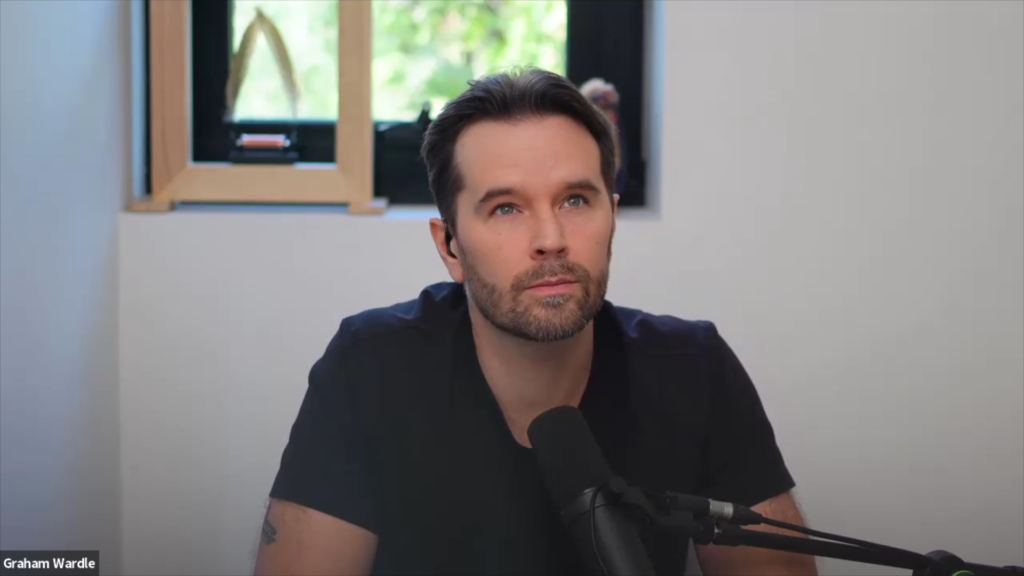
What He’s Doing Now
Since leaving Heartland, Wardle has built a creative life that looks nothing like the one he left. He launched Time Has Come, a podcast in which he has conversations with guests ranging from former co-stars to strangers he finds interesting. The show has featured Heartland alumni including Jessica Amlee, who played Mallory Wells, and Amber Marshall herself, who appeared in Episode 9 of the podcast — a reunion that generated significant attention from the fan base.
He has also pursued photography and filmmaking as primary creative outlets rather than side interests, working on projects that reflect his own perspective rather than roles he has been cast in. In 2023, he published Find Your Truth, a collection of his writings and poetry — a creative direction that would have been difficult to pursue while filming a major network drama for six months of every year.
Born September 6, 1986, in Mission, British Columbia, and raised in New Westminster near Vancouver, Wardle studied at the Motion Picture and Production Program at Capilano University, graduating in 2007. He booked the Heartland pilot almost immediately after graduation, which means the show was effectively his entire professional adult life up to the point he chose to leave. Seen in that context, the decision to leave at 34, with nearly fifteen years of the same role behind him, reads less like abandonment and more like the kind of necessary reinvention that most people in any career eventually have to face.
Will He Ever Come Back?
As of 2026, the answer is the same it has been since 2021: no. Wardle has not returned to Heartland in any active capacity, and nothing in his public statements suggests he intends to. Flashback sequences have occasionally used footage or brief appearances, which is a common device for long-running shows managing the legacy of departed characters — but these are not returns. They are the show honoring what Ty meant while the story continues without him.
The fan theories that have circulated periodically — including the recent claim that Jack somehow knew Ty was alive and has been hiding it for six years — are, in Wardle’s own framing, built on a misunderstanding of the departure. Ty Borden did not leave. He died. And that death was chosen deliberately, collaboratively, and carefully, specifically because leaving him alive but absent would have felt dishonest to a character whose whole arc was about showing up fully for the people he loved.
For Season 20, heading into what may be the show’s final chapter, the most honest expectation is that Ty’s presence will continue to be felt through Amy’s choices and the show’s memory of who he was — not through a return that would undo the integrity of the exit both Wardle and the production worked hard to get right.
Some doors close cleanly. This one did.
- Newsbeat , Newness
- Tháng 6 22, 2026
- 97 views
Nathan and Gracie Pryce: How One Sibling Tried to Save Heartland While the Other Tried to Destroy It
The Pryce family arrived in Heartland as business rivals. They stayed as something far more complicated. Across Seasons 18 and 19, Nathan and Gracie Pryce tested the Bartlett-Fleming family in ways that went beyond the standard competitor-threatens-ranch storyline — Nathan by falling in love with the ranch’s most important person, and Gracie by waging a quiet, calculated war against everything the ranch represents. By the time Season 19’s finale aired in December 2025, the Pryce siblings had pulled off something rare in long-running family dramas: they genuinely changed the show’s emotional center of gravity, in opposite directions, at the same time. Understanding exactly what they did — and what Nathan’s presence means heading into Season 20 — is essential context for anyone watching Heartland right now.
The Pryce Ranch: A Rival Built From Real History
Nathan Pryce Jr. was not introduced as a villain. He is the son of Nathan Pryce Senior, an owner of one of the ranches adjacent to Heartland, and the same age range as Lou, having helped her once in high school. When he returned to Hudson to help manage his father’s deteriorating health — his father had been diagnosed with Alzheimer’s and was forgetting things — the show was careful to establish him as someone carrying the weight of a complicated family legacy rather than someone choosing conflict for its own sake.
The business rivalry came later, and it came fast. When Crowne Shoppes decided to drop Heartland Beef to sell primarily Pryce Beef, Heartland went to war with Pryce Ranch. The escalation was swift and personal — this caused some tension between Nathan and Amy, especially when he trusted Amy with the reality of his father’s diagnosis, and Amy told Lou, who spilled the news to the owner of Crowne Shoppes, which in effect caused Crowne Shoppes to drop Pryce Beef.
That early sequence established something important about Nathan that the show returned to throughout Season 19: he is a man whose instinct is to trust, even when trust costs him something significant. The Crowne Shoppes incident could have ended his relationship with Amy before it began. Instead it became the first real test of whether the connection between them was worth the business complications around it.
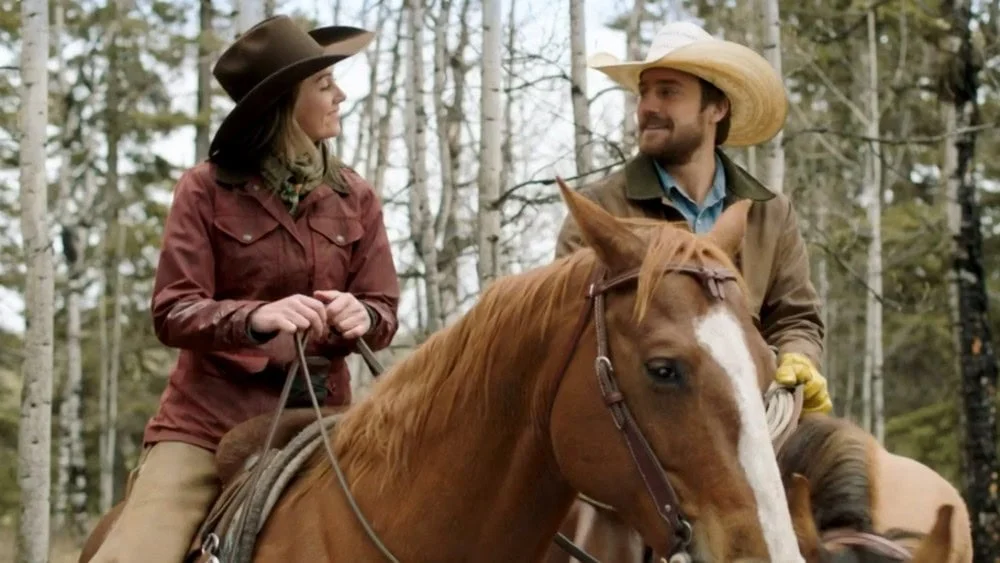
Gracie’s Arrival: When a Protector Becomes a Threat
If Nathan’s arc in Season 18 was about a man slowly choosing love over legacy, Gracie’s arrival at the end of that season was the show’s way of complicating that choice immediately. Gracie Pryce is sharp, ambitious, and determined to take control of the Pryce family empire — no matter who stands in her way. Her first scene made her intentions explicit: her first words to Nathan were about declaring war on Heartland because of them sabotaging the business.
What made Gracie genuinely interesting as an antagonist, rather than simply a corporate villain, was the Season 19 premiere’s careful reintroduction of her character. When Lou tells Jack who she is, Jack remembers her as a young girl who once admired Marion — a memory that softens her edges and makes her seem a bit more human. The show gave her history before it gave her menace, and that choice paid dividends across the season.
Lou realized early that she might have met her match in Gracie Pryce. Both women are protective older sisters who are outspoken and fiercely loyal. Their conversations, which seem polite on the surface, carry the weight of two people who recognize strength when they see it. Gracie tells Lou that she is willing to be civil for the good of Nathan and Amy’s relationship, but also warns her that she “plays to win.”
That warning was not idle. Gracie’s methods across Season 19 were calculated rather than explosive — which made them harder to counter and more damaging when they finally landed.
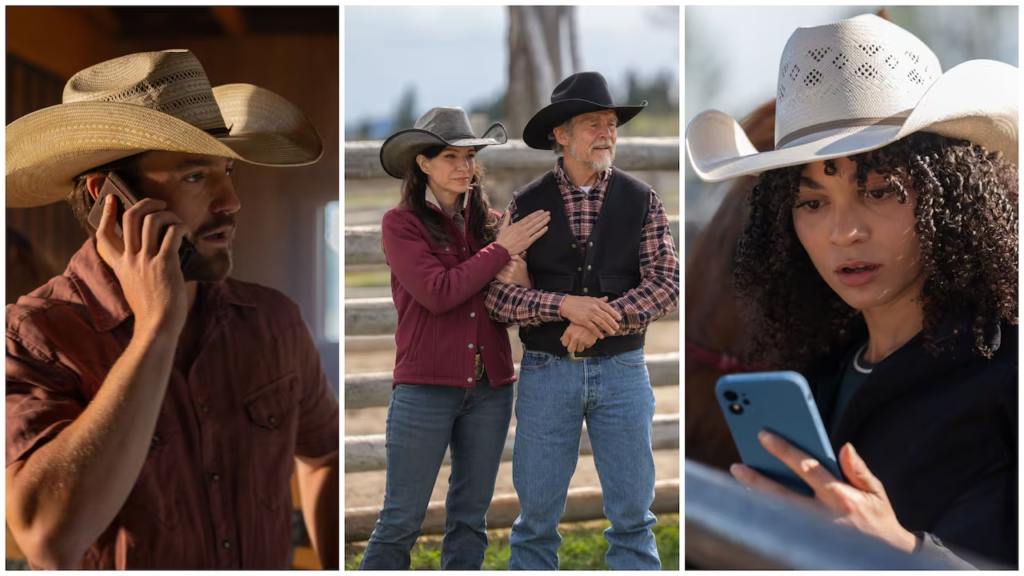
The Sabotage: What Gracie Actually Did to Heartland
Season 19’s most carefully constructed plot thread concerned the cattle rustling that plagued Heartland across the middle episodes — and the revelation of who was behind it. The trail built slowly: Amy’s doubt deepened when she remembered seeing Gracie Pryce in the barn right before feeding time the previous day, a detail she couldn’t ignore, even if she had no proof of anything.
The professional attack was equally deliberate. Gracie’s behavior across Episode 5 kept both Amy and the audience guessing. At the top of the episode, she suggested that Amy’s success is due to her mother Marion’s legacy rather than her own talent. The comment was precisely aimed — not a direct accusation, but a seed of doubt planted in exactly the right place. Combined with the suspicious timing around Spartan and Polaris both falling ill, Gracie managed to shake Amy’s professional confidence without leaving any fingerprints.
The rustler storyline’s resolution in the finale was the season’s most dramatically satisfying reveal. Nathan found a sack of the same cattle feed Lou had flagged earlier in the season — the very same feed Gracie had brought onto Pryce Ranch. That discovery, paired with a ledger entry showing a $7,500 payment to a numbered company connected to Wes, made the truth impossible to ignore: Gracie was involved.
What followed was one of Season 19’s most emotionally complex scenes. Before Nathan confronted her, he had a revealing conversation with his father. Nathan Pryce Sr. recalled an incident from Gracie’s childhood, when she threw a rock at a schoolmate who was bullying her younger brother. While he was clear that he never condoned her actions, he explained that even then, Gracie’s instincts were driven by fierce loyalty and the need to protect the people she loved. It did not excuse what she had done — but it reframed her entirely, from a villain into a person whose worst qualities and best qualities came from the same place.
Nathan’s Choice: The Moment That Changed Everything
When Nathan finally confronted Gracie, he gave her a choice: sell him her half of Pryce Ranch and walk away without criminal charges, or face the legal consequences. Gracie signed the papers, furious and humiliated, and left with one final bitter remark aimed at Nathan about Amy: “I hope she’s worth it.”
That line is worth sitting with. It was not a threat. It was a challenge — an older sister’s final, backhanded acknowledgment that her brother had chosen something over the family business, and her skepticism that the choice would hold. For Nathan, this painful reckoning led to the loss of a business partner and the last tie to a family dynamic that had defined so much of his life. Without his sister’s influence, and no longer responsible for cleaning up her messes or bound by the obligation to carry on the Pryce family business, Nathan finally seemed free to build something of his own.
That freedom is the emotional engine behind the proposal that closed Season 19. As fireflies glittered around them, Nathan revealed that he couldn’t imagine his future without Amy and Lyndy at his side, and he asked her to build that future with him on Salt Spring Island. The proposal was not just romantic — it was the logical conclusion of everything the Pryce storyline had been building across two seasons. Nathan had dismantled the last obstacle between himself and a life he actually wanted. The question was whether Amy would meet him there.
What This Means for Season 20
Gracie’s exit from the show — she signed away her half of Pryce Ranch and left Hudson — closes the most immediate threat to Heartland’s livelihood that the Pryce family represented. But it opens several questions that Season 20 will need to address.
Nathan now owns Pryce Ranch outright, but his proposal suggests he may intend to leave it — or at minimum, restructure his relationship with it significantly. A move to Salt Spring Island, where he mentioned potentially going to pay off Gracie’s debts and restart his life, would take him away from the adjacent property that has been central to his storyline since Season 18. What happens to Pryce Ranch if Nathan leaves — and whether that creates new business complications for Heartland — is a thread Season 20 has inherited.
Gracie’s parting words also leave open the possibility of a return. Her exit was bitter but not irreversible. The show rarely closes doors permanently on characters who leave under emotional rather than narrative circumstances, and Gracie’s specific relationship with the ranch and with Nathan gives her a credible reason to return if the story calls for it.
Most immediately, though, the Pryce storyline’s legacy is Nathan himself — a man who spent two seasons navigating between his family’s legacy and his own instincts, and who chose, definitively, to trust Amy and Lyndy over everything else. Whether that choice is rewarded, complicated, or quietly reversed by scheduling realities beyond the show’s control is the central unresolved question heading into fall 2026.
Gracie said she hoped Amy would be worth it. Season 20 will answer whether she was right to wonder.
- Newsbeat , Newness
- Tháng 6 22, 2026
- 117 views
Everything That Happened in Heartland Season 19 — And Why the Finale Has Fans Desperate for Season 20
Heartland Season 19 premiered on CBC on October 5, 2025, and wrapped its ten-episode run on December 7, 2025 — bringing the show’s total episode count to 279 across nineteen seasons. Titled under the banner “Risk Everything,” the season picked up directly from the chaos left behind by Season 18: a family business rivalry that had escalated into something personal, a romance caught between loyalty and love, and a ranch that had survived so much it had almost started to feel permanent. Season 19 tested that permanence in almost every direction. Here is a full breakdown of what happened — and why the finale left the fan base in the state it’s currently in.
The Central Premise: Everything on the Line
In Season 19, the Bartlett-Fleming family risk everything to keep Heartland and those they love out of harm’s way. That single-sentence premise from CBC is deliberately broad, but the season earns it. The threats are not just external — a wildfire, a rival family, cattle rustlers — but internal: the slow accumulation of secrets, compromises, and deferred decisions that families on long-running dramas carry into every new chapter. Season 19 brings several of those deferred decisions to a head, and the choices made in the final two episodes reverberate into Season 20 in ways the show has rarely managed so efficiently.
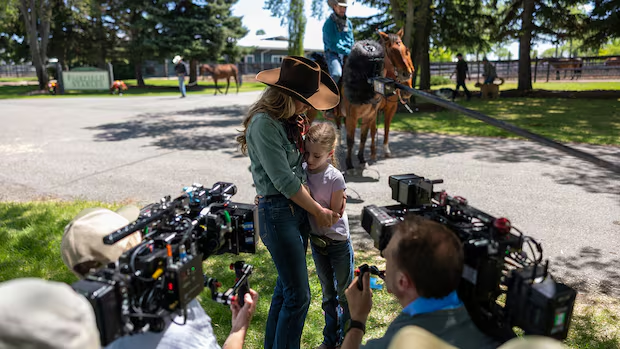
Episode by Episode: What Season 19 Actually Covers
Episode 1 — “Risk Everything” A raging wildfire threatens the ranch, forcing the Heartland family to evacuate. But when a pregnant mare is trapped in the fire’s path, Amy risks everything to try and save her. The season opens with immediate, visceral stakes — no slow build, no re-introduction of characters. The wildfire sequence establishes the season’s emotional register from its first minutes: this is a season about how far people will go for the things and beings they love.
Episode 2 — “Two Can Keep a Secret” Amy must deal with the fallout when Lyndy’s first 4-H show goes awry. Meanwhile, Katie does something unexpected with Dodger. The episode title functions as both plot description and thematic signpost — secrets and their consequences run through Season 19 as a recurring undercurrent, and this early episode plants several that take most of the season to surface.
Episode 3 — “Ghosts” Amy is confronted by memories of Ty when she returns to Pike River with Nathan to work with Search and Rescue horses. The episode is one of the season’s most emotionally careful — it puts Amy physically back in a landscape tied to her history with Ty while asking her to move forward with Nathan. The parallel is not subtle, but it is handled with the kind of patience that has always distinguished the show’s approach to grief.
Episode 4 Amy and Ashley hunt for a crashed plane while Caleb and Nathan battle nature and each other. Jack and Lisa coordinate traditional hay-gathering. The Caleb-Nathan tension, seeded across Season 18, gets its most direct confrontation here — two men whose histories with Amy sit at very different distances, thrown together by circumstance and forced to work through it.
Episode 5 — The Reputation Storyline Begins Amy’s working with an Olympian’s horse when Spartan’s health suddenly declines. After her high-profile client questions her integrity, rumors threaten her reputation as a horse trainer. The professional threat to Amy’s identity as a horse healer is one of Season 19’s most underrated storylines — it attacks the thing she has been most confident about for nineteen years, and the show handles it with more nuance than a simple “false accusation” arc would normally allow.
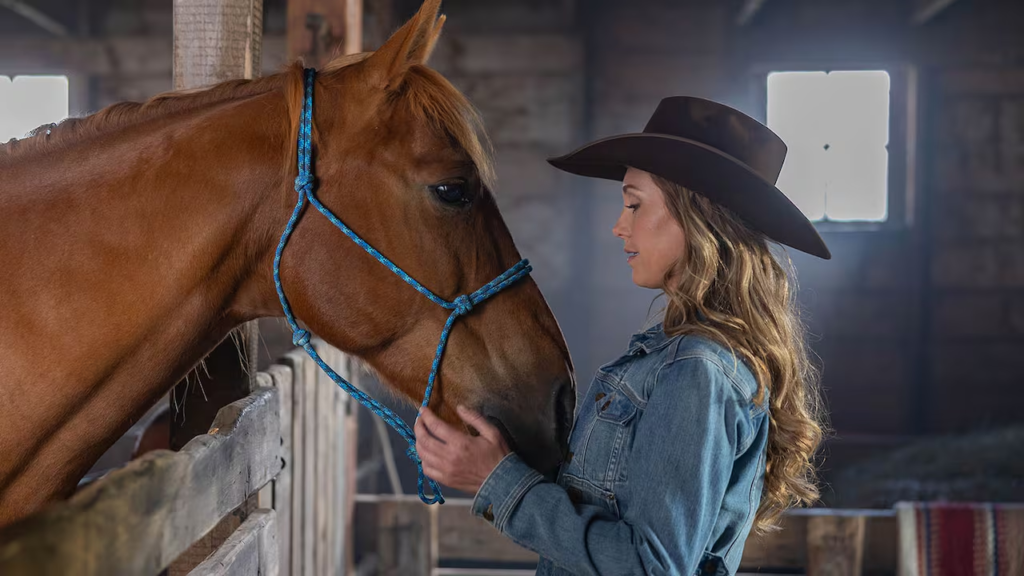
Episode 6 — The 275th Episode Milestone The whole family heads to the Hudson Rodeo, where Amy puts everything on the line to save her reputation. Katie proves herself at her first big Hudson Wilds Flag Team performance. The 275th episode of Heartland was filmed at a real rodeo event in Alberta, and the production used the authentic crowd to shoot the arena sequences — a production choice that gives the episode an energy that interior ranch scenes rarely match. Katie’s flag team storyline, which began quietly in Season 18, pays off in a moment that the show’s younger fan base responded to strongly.
Episode 7 — Lou Directs Michelle Morgan, who plays Lou, directed this episode — her latest in a directing role she has taken on multiple times across the show’s run. The episode features a significant scene between Lou and Amy, and a quiet porch conversation between Jack and Lisa that several fan commentators cited as one of the season’s most understated emotional highlights.
Episode 8 — Lou Directs Again / Gracie Returns Morgan directed a second episode this season. While Amy secretly works with Gracie’s new horse, Lou and Jack are determined to catch the rustlers, and Dex confronts his past. Georgie returns to Heartland. Georgie’s return after her time in Brussels as a show jumper had been one of the season’s most anticipated moments, and the episode uses her arrival to shift the family’s emotional center of gravity before the final stretch.
Episode 9 — “Revenge” The cattle rustler subplot, which had been building across the season’s middle episodes, reaches its confrontational peak. Lou and Jack’s determination to identify the rustlers drives most of the episode’s momentum, while Amy’s parallel storyline with Gracie’s horse adds another layer to the complicated Pryce family dynamic that has defined the season’s central conflict.
Episode 10 — “Forgiveness” Georgie grapples with Phoenix’s situation as the rustlers’ identities come to light. Amy and the Heartland family face crucial choices about what lies ahead. The finale resolves several of the season’s plotlines while deliberately leaving its most important one open. Georgie, having defied doubts about her aging horse Phoenix, wins the Springview Grand Prix — and is then offered a placement at a stable in Austria, a storyline that Season 20 will need to address. Lou and Jack resolve the rustler thread in a way that has divided fan opinion. And then, in the scene that has defined the entire post-season conversation, Nathan takes Amy and Lyndy to Salt Spring Island and proposes marriage in a firefly-lit pasture — asking the three of them to begin a new life together. The episode ends before Amy answers.
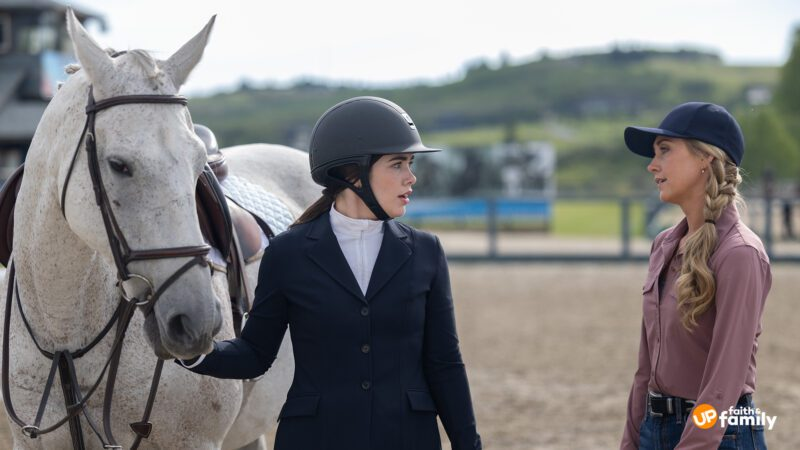
The Season’s Three Major Character Arcs
Amy Fleming: Season 19 is the most professionally and personally pressured the character has been since the seasons immediately following Ty’s death. Her reputation as a horse trainer is publicly attacked by a high-profile client, forcing her to defend her identity in the arena where she has always felt most secure. Simultaneously, her relationship with Nathan deepens past the point where it can be kept separate from her family and her daughter — and the season finale makes clear that the question of where Amy’s future is actually located, at Heartland Ranch or somewhere entirely new, can no longer be deferred.
Lou Fleming: Lou tries to refocus her attention on her family — but when a new adversary threatens the ranch, she is forced to make some difficult choices. Season 19 gives Lou one of her more quietly complex arcs in several years, using the external threat to the ranch as a lens for examining what she is actually willing to sacrifice to protect it. Her scenes with Amy in the episodes Morgan directed are among the most emotionally direct the two characters have shared since the early seasons.
Jack Bartlett: Jack is the steadfast rancher he’s always been, but his patience is tested after he hires an unlikely new ranch hand, Dex. The Jack-Dex dynamic functions as the season’s quietest and most consistently satisfying subplot — an older man who has seen everything finding himself unexpectedly responsible for someone with a complicated past that mirrors several of the show’s earlier character trajectories. This is also the first season that Tim Fleming hasn’t appeared in any episodes since his introduction — a notable absence that the season handles mostly by not drawing attention to it, though fans have noted it consistently in discussion forums.
Why This Season Sets Up Season 20 So Effectively
Season 19 does something the show has not always managed cleanly: it ends with genuine structural uncertainty rather than emotional resolution dressed as a cliffhanger. The question of whether Amy says yes to Nathan’s proposal is not just a romantic beat — it is a question about whether Heartland the show can continue to be Heartland if its central character leaves the ranch that gives the show its name and its identity.
Georgie’s Austria offer adds a second layer: a beloved recurring character being pulled away from the ranch by professional success, in a storyline that mirrors the real-world pattern of long-running shows cycling through cast members as actors’ opportunities expand. The rustler resolution, meanwhile, closes one chapter of the Pryce-Bartlett family rivalry while leaving room for whatever Season 20 chooses to do with those relationships next.
Taken together, Season 19 functions less as a self-contained story and more as an extended setup — one that will only fully make sense when Season 20 arrives in fall 2026 and starts answering the questions it was designed to raise.
- Newness , Newsbeat
- Tháng 6 20, 2026
- 112 views
Faith, Family, and Horses: The Real Reason Heartland Has 695 Million Viewers That Nobody Is Talking About
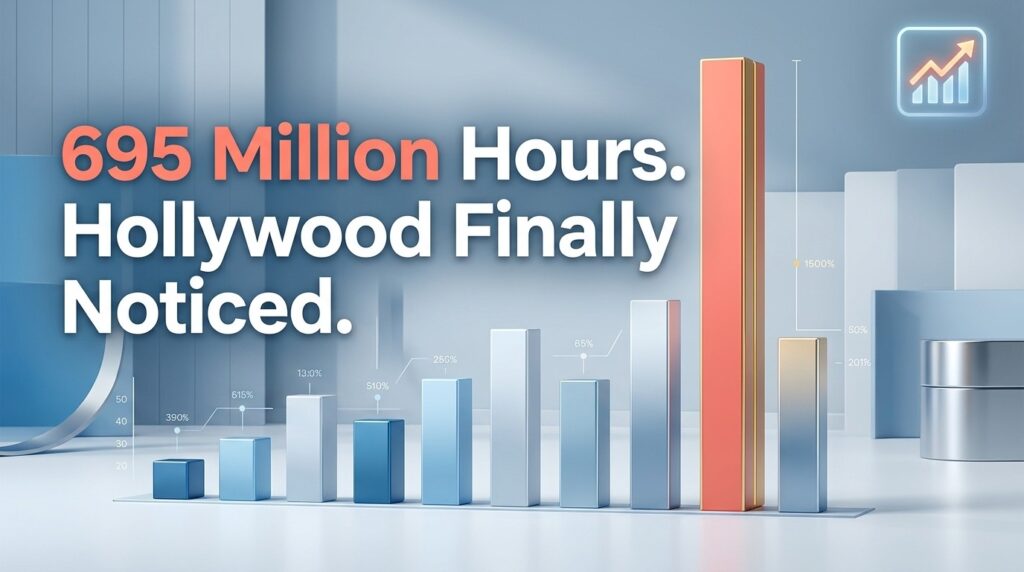
When people try to explain why Heartland has accumulated 695 million hours of global Netflix viewing in just two years — making it one of the platform’s most-watched catalog titles while carrying a TV-PG rating, no prestige drama credentials, and almost no marketing budget outside Canada — the answers usually focus on horses, or nostalgia, or the scenery. Those answers are not wrong. But they are not complete. The fuller explanation sits in a piece of data from a March 2026 industry study published by The Wrap: conservative, rural, and middle-American viewers have consistently reported feeling underrepresented in the movies and TV shows produced by major studios — and Heartland has been quietly, steadily serving that audience for nineteen years while almost everyone in Hollywood looked the other way.
The Audience Nobody In Hollywood Talked About
For most of the past decade, the conventional wisdom in prestige television was fairly simple: edgy content, morally complex characters, and adult themes drove critical acclaim and subscriber growth. Shows like Breaking Bad, Succession, and Game of Thrones defined what “good television” was supposed to look like, and the audiences that preferred something quieter, cleaner, and more family-oriented were treated as a niche — a legacy broadcast demographic slowly aging out of cultural relevance.
The data was always telling a different story. According to the NRG study cited by The Wrap in March 2026, studios had been overlooking a measurable and economically significant segment of the American audience: conservative, rural, and middle-American viewers who felt mainstream entertainment did not reflect their values or their lives. The study found that in 2025, studios began reassessing their relationship with audiences who do not live in Los Angeles, New York, or other cosmopolitan cultural hubs, and increased their investment into stories that speak more directly to audiences who had previously regarded mainstream entertainment with a fair degree of skepticism. The result, the study noted, was a small but noticeable uptick in the percentage of conservative viewers who felt their values and beliefs were being represented on screen.
That shift in 2025 was not a discovery. It was a belated acknowledgment of something Heartland had known since 2007.
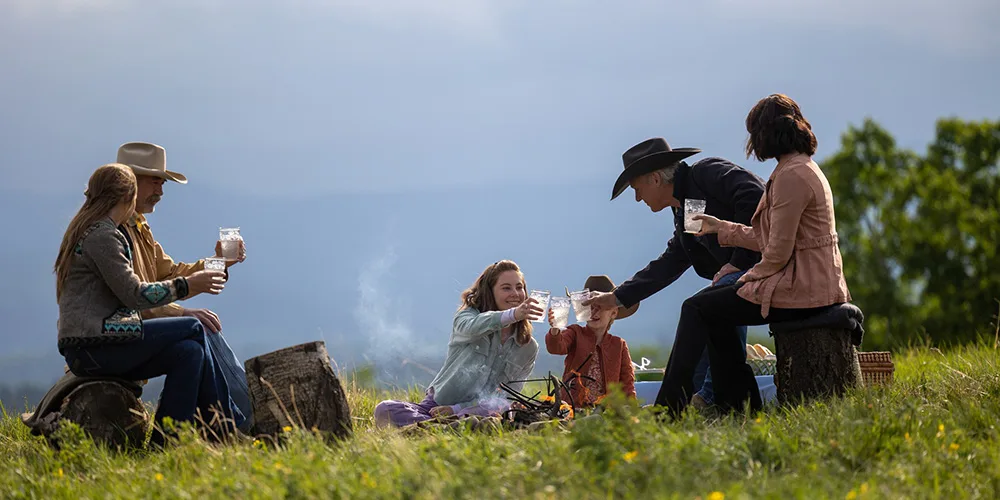
What “Faith-Based” Actually Means in Heartland’s Context
Heartland is not, technically, a Christian show. It is not produced or marketed as religious entertainment, and its storylines do not center on doctrinal content or overt evangelism. Its characters occasionally attend church, occasionally pray at meals, and occasionally navigate the kind of moral questions — loyalty, forgiveness, integrity under pressure — that religious frameworks have traditionally provided language for. But the show’s faith content is incidental rather than central, woven into the fabric of characters who happen to hold those values rather than characters defined by them.
What the show does embody, consistently and deliberately, is a set of values that overlap significantly with faith-based priorities without being reducible to any specific religion: multigenerational family loyalty, honest labor, community accountability, the idea that the land and the people who work it carry a dignity that deserves respect. These are not explicitly Christian values — they are rural values, and the two categories overlap without being identical.
Charley Humbard, founder of UP Entertainment, the network that holds first-window U.S. streaming rights to Heartland, has spoken about this distinction directly. “It executes on a lot of good basic Christian and family values so well and it’s real and authentic,” he told The Christian Post. But he was equally clear that the show’s appeal extends beyond any single religious demographic. “Just because you’re a Christian doesn’t mean you don’t have a kid that sometimes ends up with a drug addiction, or a teenager who gets pregnant before they should, or tough times happen to you,” he explained. “Things happen. Just because you’re Christian doesn’t mean it won’t.” That authenticity — the show’s willingness to portray real difficulty inside a framework that still believes in resolution and family — is precisely what distinguishes it from content that moralizes rather than narrates.
UP Entertainment’s own research suggested at the time that over 40 million Americans were actively seeking wholesome, family-safe content on television. Heartland was its flagship vehicle for reaching them.

The Companies That Understood First — and the Returns They Generated
The faith-and-family audience that Heartland had been quietly serving did not stay invisible forever. As the NRG study noted, studios and streaming services began taking notice in 2025, following a string of high-profile financial results from content that targeted this demographic explicitly.
Angel Studios, the company behind The Chosen and Sound of Freedom, went public in September 2025 following the success of its crowd-funded model, becoming one of the more unusual success stories in recent entertainment industry history. Its model — asking audiences to fund content they actually want rather than predicting what audiences might accept — generated enough revenue to sustain an independent studio and attract mainstream distribution attention. In October 2025, Prime Video launched Wonder Project, a premium subscription add-on specifically for faith-based content, with the platform-exclusive series House of David as its headline title. That these moves happened in 2025, not 2015, is a measure of how long the industry underestimated the audience size.
The NRG study also turned up a finding that challenges some of the assumptions behind faith-based content’s perceived demographic limitations: Millennial and Gen Z Christians are actually more likely to seek out content with religious themes than older generations. If accurate, this suggests the faith-and-family audience is not an aging demographic in terminal decline but a cross-generational viewership that has simply not been well-served by mainstream production pipelines — and is now beginning to be.
Why Heartland’s Numbers Carry a Specific Warning for Hollywood
The 695 million global viewing hours that Heartland generated on Netflix between 2023 and mid-2025 are notable not just for their scale but for what they reveal about the show’s audience behavior. Unlike prestige dramas that generate large numbers in a concentrated burst around premiere weekends, Heartland‘s viewing is distributed differently — spread across a back catalog of over 260 episodes, accumulated by viewers who return to the same seasons repeatedly rather than burning through new content and moving on. This repeat-viewing pattern is structurally more valuable to a streaming platform than a single spike, because it keeps subscribers on the platform between new releases.
That behavioral pattern is characteristic of the faith-and-family audience more broadly. Viewers in this demographic tend to watch more slowly, more deliberately, and with more household participation — multiple family members watching together rather than individuals consuming content on separate devices. Those viewing habits drive hours-watched metrics far higher than solo streaming behavior would, which partly explains how a TV-PG Canadian ranch drama can post numbers that rival or exceed prestige productions with ten times the marketing investment.
What Hollywood is slowly learning, and what Heartland demonstrated years before the industry was paying attention, is that underrepresented audiences do not disappear when you ignore them. They find what serves them and they stay loyal to it in ways that more casual audiences rarely match. The 695 million hours are not the result of a viral moment or a prestige campaign. They are the result of nineteen years of consistent, authentic storytelling aimed at an audience that had very few other options — and chose to stay.
As Season 20 films in Alberta this summer, Heartland is preparing to close whatever chapter it is closing with that same audience still watching. Whether Hollywood has fully absorbed the lesson the show spent two decades teaching is, at this point, a separate question entirely.
- Newness , Newsbeat
- Tháng 6 20, 2026
- 97 views
Amy’s Answer, Nathan’s Future, and a Surprising Conflict: Why Season 20’s First Episode Is Already the Most Anticipated in Heartland History
When the Season 19 finale of Heartland cut to black in early February 2026, it left millions of viewers staring at a dark screen with one question unanswered: did Amy Fleming say yes? The scene — Nathan Pryce kneeling in a firefly-lit field on Salt Spring Island, asking Amy and her daughter Lyndy to start a new life with him — is already being called the most emotionally loaded cliffhanger in the show’s nineteen-year history. But there is a second story running underneath the romantic drama that most fan coverage has not yet addressed: the actor who plays Nathan Pryce, Spencer Lord, is now a series regular on one of television’s biggest prestige dramas — HBO’s The Last of Us — and his Season 3 filming schedule creates a real, documented conflict with Heartland Season 20 production currently underway in Alberta. What that means for Amy’s answer, Nathan’s future on the show, and the emotional shape of Heartland‘s possible final season is the most genuinely complicated question heading into fall 2026.
The Proposal That Stopped Everything
To understand the weight of what Season 20 has to resolve, it helps to trace exactly how Season 19 built to its final scene. Nathan Pryce Jr. first appeared in Heartland in Season 17, introduced as an old high school acquaintance of Lou Fleming’s who returns to Hudson to take over his father’s ranch after a diagnosis of Alzheimer’s. His early relationship with Amy was built on friction — the Pryce and Bartlett-Fleming ranches were in direct commercial competition, and Amy’s family, particularly Jack and Tim, viewed Nathan with suspicion that took most of two seasons to soften.
What made the relationship narratively interesting was its slow pace and genuine complication. Nathan, as Spencer Lord himself described it in interviews, is “emotionally stunted by a tumultuous upbringing” — not a simple love interest, but a man reintegrating into a community he was once forced to leave, carrying the weight of his family’s difficult legacy. Amy, meanwhile, was navigating her first serious relationship since the death of her husband Ty Borden in Season 14 — a dynamic that the show handled with more patience than most long-running dramas manage with widowed protagonists.
By Season 19’s finale, all of that groundwork converged in one scene. Nathan took Amy and Lyndy to his childhood spot on Salt Spring Island — the place that had meant something private and important to him before everything went wrong with his family. As fireflies lit up the surroundings, Nathan proposed to Amy, asking her to come with him to Salt Spring Island, where the three of them would begin a new life together. The episode ended before Amy answered.
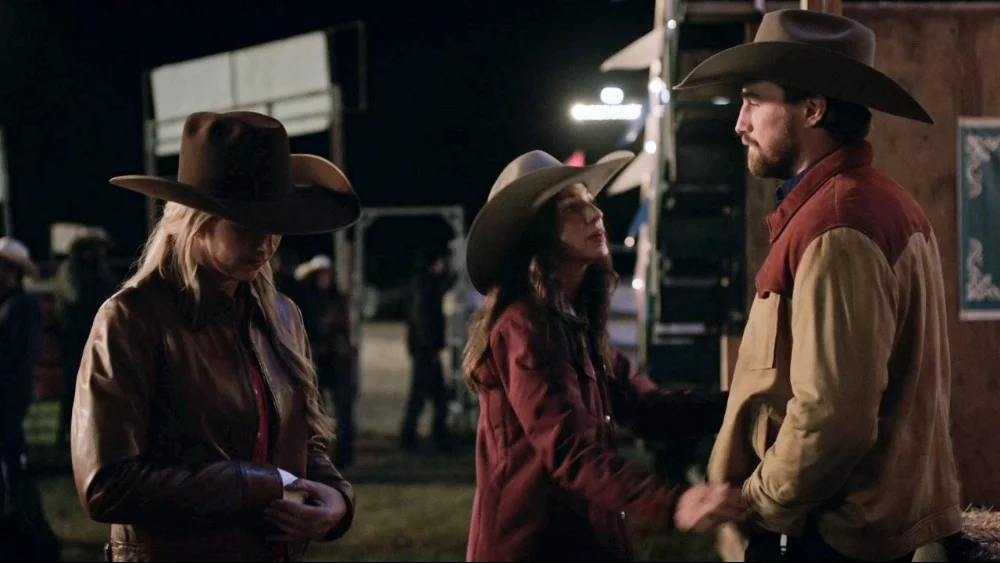
Why This Cliffhanger Hits Differently
Heartland has used season-ending cliffhangers before, but the Nathan proposal carries a specific weight that goes beyond romantic suspense. The central question — will Amy say yes — is inseparable from a larger question the show has been building toward since Season 14: who is Amy Fleming after Ty Borden? The show spent five seasons carefully establishing that she is not defined by that loss, that she is capable of a full life and a new love, but it has never fully committed to what that looks like going forward. Nathan’s proposal is the moment where that question can no longer be deferred.
A yes carries enormous narrative implications. Nathan proposed asking Amy to come with him to Salt Spring Island, where the three of them would begin a new life together — which would mean Amy potentially leaving Heartland Ranch, the physical and emotional center of the show for nineteen years. That is not a small story beat. It is a potential restructuring of the show’s entire geography in what may be its final season.
A no carries its own weight. It would likely close the Amy-Nathan chapter and force the show to reckon with what Amy’s future looks like on her own terms — which, heading into a possible series finale, is its own kind of emotionally satisfying resolution, even if it is the harder one for fans currently rooting for the relationship.
Neither answer is safe. Both are interesting. And the fact that Season 20 must deliver one of them in its opening episode — with whatever dramatic and logistical complications accompany it — is precisely why the premiere is already the most anticipated single episode in the show’s two-decade run.
The Scheduling Conflict Nobody Is Talking About
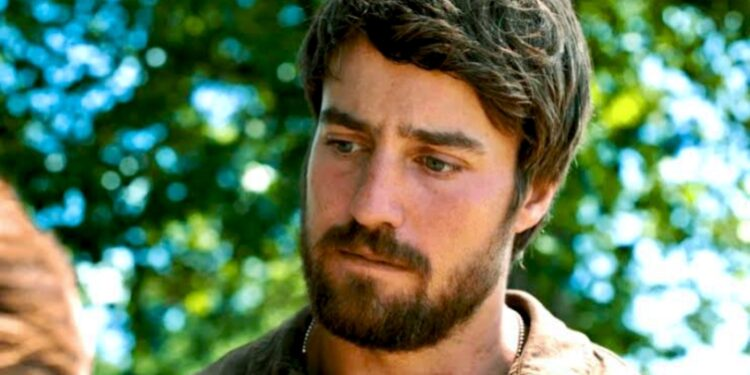
Here is where the Nathan Pryce storyline gets genuinely complicated in a way that goes beyond creative choices. Spencer Lord, the actor who plays Nathan, is not just appearing in Heartland. Since 2025, Lord has been playing Owen in the HBO drama series The Last of Us, a role that expanded from a recurring appearance in Season 2 to a main role in Season 3.
The Last of Us is not a small production. It is one of HBO’s flagship prestige series, with a global audience and a filming schedule that commands significant time from its cast. Lord’s elevation to a main role in Season 3 means he is no longer a guest player who can fit HBO around other commitments — he is a principal cast member with a demanding primary obligation.
Heartland Season 20 began filming in Calgary on May 12, 2026, with production scheduled to run through August 31. The Last of Us Season 3 production timelines, while not publicly confirmed in full detail, overlap with that same general window — creating a documented conflict between two significant commitments for the same actor at roughly the same time.
Neither production has publicly addressed how this is being managed. The Heartland Season 20 renewal announcement listed the returning cast without specific episode commitments attached to individual actors, which is standard for the show’s format but leaves Nathan’s actual screen time in the new season unconfirmed. Spencer Lord has not made public statements about how he is navigating the two schedules.
What this means for Amy’s answer and Nathan’s storyline in Season 20 is, at this point, genuinely unknown — but the possibilities are not reassuring for fans currently invested in the relationship. A reduced Nathan presence in Season 20, caused by scheduling rather than creative choice, would be a frustrating resolution to a two-season romantic build. A creative decision to write around the conflict — giving Nathan a storyline that explains his absence from key episodes — would require exactly the kind of careful writing that has not always accompanied the show’s handling of cast availability issues in the past.
What Season 20’s First Episode Actually Needs to Deliver
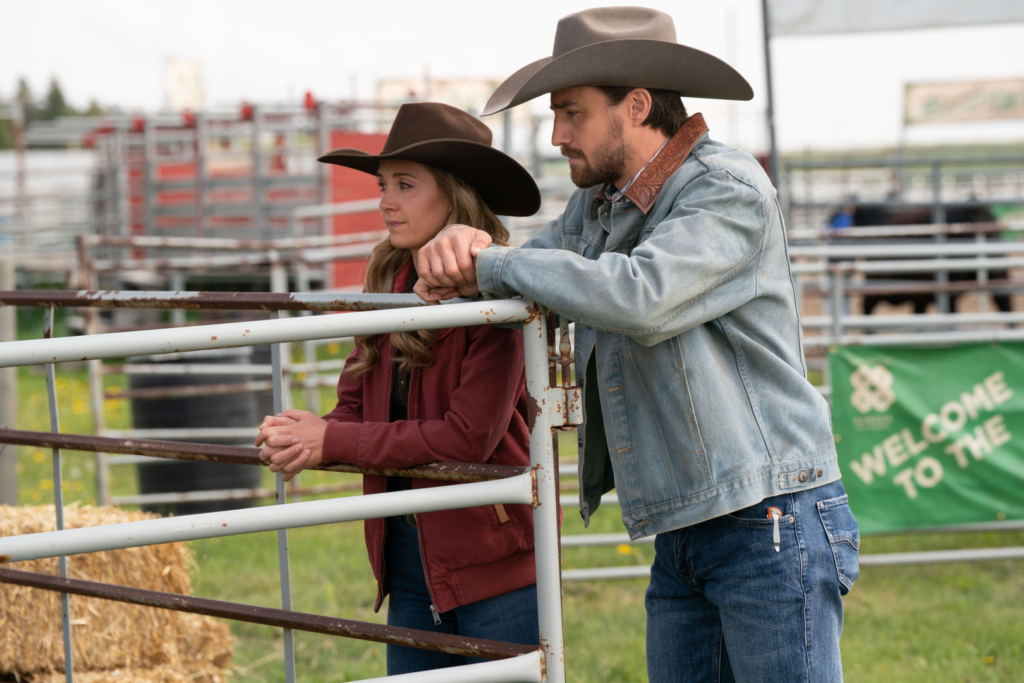
Setting the scheduling question aside, the creative pressure on Season 20’s premiere is substantial regardless of how the Nathan situation resolves. Heartland is a show that has historically been cautious about major structural changes — it took multiple seasons to fully commit to Amy’s relationship with Nathan after Ty’s death, and the show has rarely used its premieres to drop bombshell resolutions to prior-season cliffhangers without significant setup.
The Nathan proposal breaks that pattern by design. There is no gradual unpacking available here. The scene ended mid-moment, and Season 20 begins in the same moment. Fans who have spent the spring and summer of 2026 arguing about whether Amy should say yes, whether she should stay at Heartland Ranch, and whether Nathan is the right fit for the family she has built will get their answer in the first episode — and whatever that answer is, half the audience will have their own strong reaction to it.
Characters confirmed to return in Season 20 include Lou, Jack, Nathan, Amy, Lyndy, Georgie, Caleb, Peter, and Mitch — a full ensemble that suggests the show is not planning a dramatic cast reduction regardless of how the proposal resolves. But confirmed to return and central to the story are different things, and where Nathan lands in the season’s emotional architecture will tell fans a great deal about whether Heartland is building toward the kind of finale that honors the last two seasons of his storyline — or quietly sidestepping a scheduling problem dressed up as a creative choice.
Either way, the first episode of Season 20 is carrying more weight than any premiere in Heartland‘s history. That alone makes it worth watching, whatever the answer turns out to be.
- Newsbeat , Newness
- Tháng 6 20, 2026
- 143 views
The Town That Became Hudson: How Heartland Turned High River, Alberta Into a Fan Pilgrimage Destination
If you have spent any time watching Heartland, you know Hudson, Alberta — the fictional small town where the Bartlett-Fleming family buys supplies, argues over coffee at Maggie’s Diner, and navigates the kind of slow-burning community drama that makes the show feel lived-in rather than manufactured. What you may not know is that Hudson does not exist. It never has. The streets, the storefronts, the diner, the park benches — all of it belongs to a real town called High River, located about 45 minutes south of Calgary in the foothills of the Canadian Rockies. And over nineteen seasons of Heartland, High River has done something remarkable: it has become a genuine fan pilgrimage destination, drawing thousands of visitors each year from the United States, Europe, and Australia who come not to see Canada, but to see the show — and find that the two things, as it turns out, are largely the same.
A Town 45 Minutes From Calgary That the World Now Knows as Hudson
High River sits in Foothills County, southeast of the Rocky Mountain foothills, in a part of Alberta that looks almost exactly the way non-Albertans imagine Alberta looks: wide open sky, rolling grassland, the jagged line of distant mountains on the western horizon, and a downtown that has changed slowly enough over the decades that it still reads as genuinely historic rather than restored-for-tourism. That combination of landscape and authentic small-town architecture is precisely why Heartland‘s location scouts chose it in 2007, and why the production has returned to the same streets, same storefronts, and same surrounding countryside for every season since.
The town is not a set. It is a functioning community of roughly 14,000 people where Heartland happens to film, and that distinction matters to the experience of visiting it. The streets fans walk are streets locals actually use. The diner exterior fans photograph is attached to a real building. The museum they visit is a working institution with its own community history that extends well beyond anything the show has done with it. Heartland did not create High River. It simply introduced it to the world
.
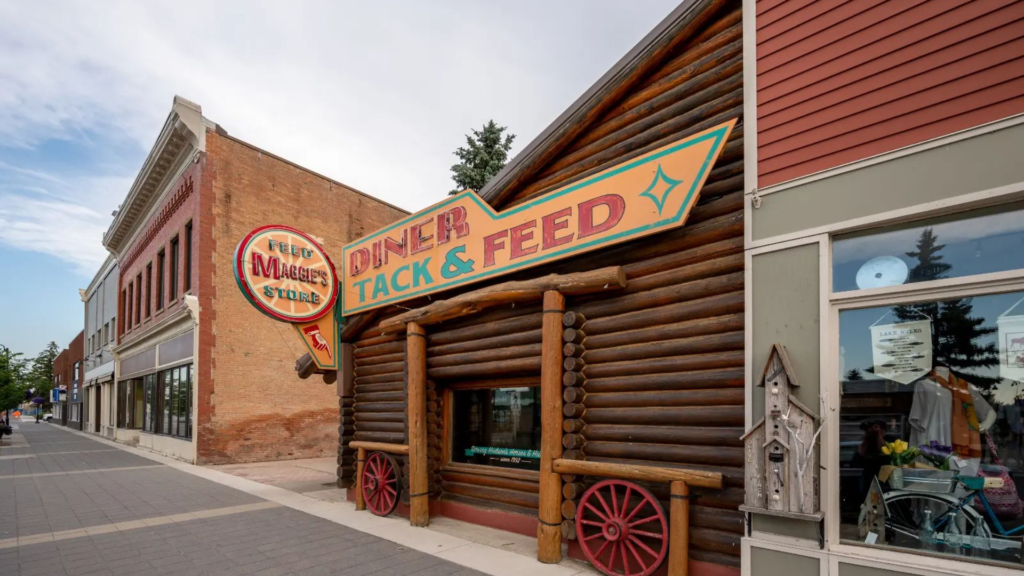
Maggie’s Diner: The Most Photographed Building in Foothills County
No single location in High River has become more synonymous with Heartland fan tourism than the building that serves as Maggie’s Diner on screen. Located downtown, the building’s public-facing position makes it one of the few filming locations fans can access completely freely — walking up to the windows, peering inside, taking photos from the sidewalk, or simply sitting across the street and watching the foot traffic move past a building they have seen on screen hundreds of times.
During active filming periods, the experience gets considerably more interesting. The production crew parks trailers behind the Museum of the Highwood — the town’s history museum, located in a historic Canadian Pacific Railway station — and locals and visitors alike can tell at a glance whether a filming day is underway. If the trailers are there, cast members are moving between set and holding areas throughout the day, and patient fans positioned in public spaces have occasionally spotted the show’s actors in transit. The museum’s own visitor services staff, well-versed in Heartland geography by now, reliably point new arrivals toward whatever is happening that day.
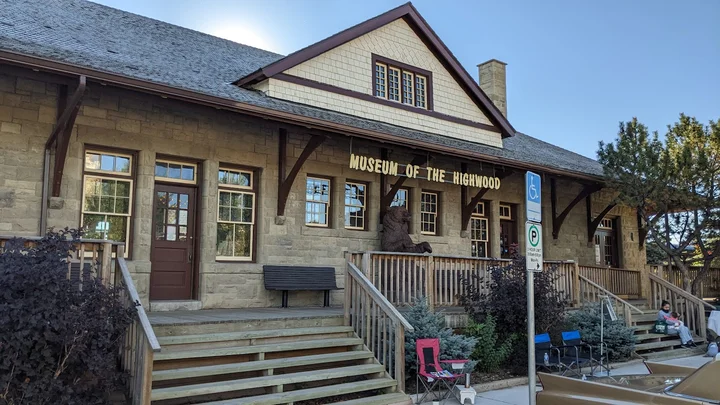
The Museum of the Highwood: Where High River’s History Meets Heartland’s
The Museum of the Highwood, housed inside a beautifully preserved Canadian Pacific Railway station, serves double duty for visitors to High River: it is the town’s primary historical institution and its most accessible Heartland experience under one roof. The museum maintains a dedicated Heartland exhibit featuring production materials, behind-the-scenes context, and documentation of the show’s relationship with the community — and its Visitor Information Centre, located inside the same building, functions as the unofficial starting point for any Heartland-focused visit to the area.
The museum’s numbers speak to the scale of what the show has done for the town. In 2019 alone, 18,000 people came through the museum’s doors — a record at the time — and of those, approximately 6,000 were there specifically for Heartland-related attractions. That figure represents roughly one in three visitors arriving at a small-town regional history museum because a television drama sent them there. For a town of 14,000 people, that is a meaningful tourism footprint, and it has grown steadily as the show’s international streaming reach has expanded.
The museum’s visitor services coordinator has noted the pattern that plays out repeatedly: fans arrive because of Heartland, but they end up staying longer or returning because of High River itself. “They’ll come because of Heartland,” she has said, “but they actually end up either staying longer or returning, because of that High River–southern Alberta charm.” The show functions, in practice, as a long-running tourism advertisement for a part of Canada that most international visitors might never have sought out on their own.
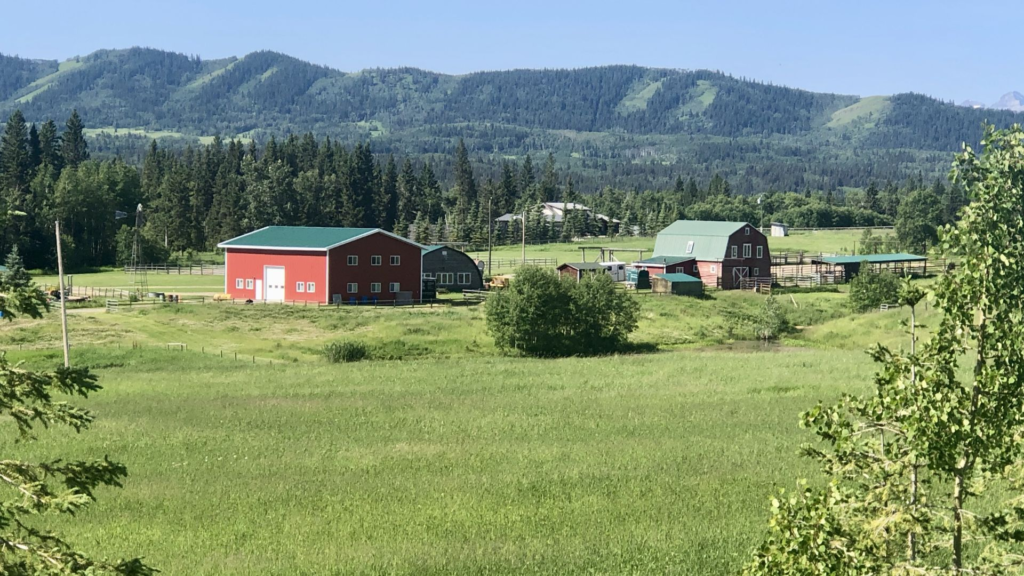
The Ranch Itself: Close, But Not Open
One of the most common questions from visiting Heartland fans is a simple one: can you go to the ranch? The answer is more complicated than most people expect. The famous Heartland ranch — the property with the barn, the corral, and the house exterior fans recognize from every episode — is filmed near Millarville, a small community southwest of Calgary. The ranch buildings were constructed specifically for the production and are located on privately owned land. There are no official tours. Visitors cannot walk freely onto the property.
What is possible, and what many fans do, is drive past on public roads to see the area from a distance. The surrounding Millarville countryside is publicly accessible and provides the same rolling foothills, mountain backdrops, and wide Alberta sky that make every outdoor shot on the show feel cinematic. Several other filming locations in the area are fully accessible: the Millarville Racetrack, which has appeared in rodeo and horse racing scenes throughout the series, is a working facility that hosts public events throughout the year. Spruce Meadows, a premier equestrian facility in Calgary that has appeared on screen, is open to visitors and draws families independently of any Heartland connection.
Travel Alberta has developed a three-day “Heartland Adventures in Southern Alberta” itinerary that guides visitors from Calgary through High River and west toward Millarville and other filming locations, providing practical routing for fans who want to see as much of the show’s real geography as possible. Tourism Calgary maintains a complementary self-guided version that can be completed as a day trip from the city.
A Town That Has Embraced Its Second Identity
What makes High River’s relationship with Heartland unusual among filming-location tourism stories is the degree to which the town has actively embraced the show rather than merely tolerating it. Local businesses in the visitor services sector have built their offerings around Heartland fan traffic. The museum has invested in exhibit infrastructure to serve that audience. Accommodation providers note that a meaningful share of overnight stays come from visitors who time their trips around filming schedules or fan events.
That embrace reflects something real about the fit between the show and the community. Heartland does not portray a glamorized or ironic version of small-town Alberta life. It portrays something that residents of High River and Foothills County can largely recognize: the rhythms of ranching, the textures of rural community, the particular way that landscape shapes identity in southern Alberta. When fans arrive looking for Hudson, what they find is a town that is, in most of the ways that matter, already a lot like it.
With Season 20 now filming in Alberta through August 2026 and a fall premiere scheduled on CBC, the timing for a High River visit has rarely been better — or more pointed. If the rumours about Season 20 being the show’s final chapter prove correct, this summer and fall represent the last opportunity to visit a town that is actively, simultaneously being both itself and the fictional place it has inhabited for nineteen years. For long-term fans, that window may be worth more than any guided tour.
Ann Blyth, 98: The Last Voice of Hollywood’s Golden Age Has Gone Silent
- Tháng 6 26, 2026
- 118 views