The Woman Behind Amy Fleming: Amber Marshall’s Real Life Is More Heartland Than the Show Itself

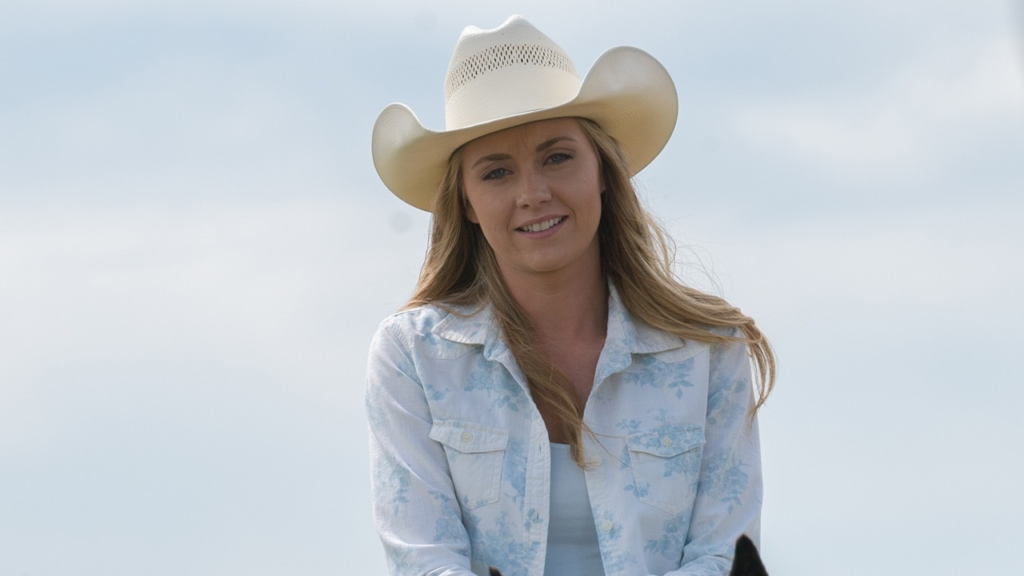
There is a question that follows Amber Marshall wherever Heartland goes: how much of Amy Fleming is actually her? The honest answer, backed by nearly two decades of interviews, candid social media posts, and the quiet accumulation of choices she has made in her own life since 2007, is: more than almost any other actor-character parallel in television history. Marshall did not just play a horse-healing cowgirl on a Canadian ranch drama. She became one. And the story of how that happened — from a ten-year-old circling real estate listings in Ontario to a woman who now works with her own horse on the same set where her character lives — is as compelling as anything the show’s writers have ever put on screen.

The Girl Who Always Knew

Amber Marshall was born and raised in London, Ontario, far from the Alberta foothills that would eventually define her adult life. But the connection to animals and rural life started early — unusually early. She began riding at the age of three and spent much of her childhood around horses, starting with English riding before the Western lifestyle found her later. By the time she was ten years old, she was already circling ranch property listings in real estate magazines, not as a fantasy, but as a genuine, specific plan for the kind of life she intended to have one day.

Acting was always part of the picture too, running alongside her love of animals rather than competing with it. But the two threads of her life — performance and horses — did not fully converge until a single audition tape changed everything.
The Audition She Almost Missed

By the time the Heartland casting call came around in 2007, Marshall was worn down. The cost and frustration of auditioning had started to accumulate, and she had begun quietly questioning whether the whole pursuit was worth continuing. Then her agent told her about a role that seemed, on paper, almost written for her specifically: a young woman with a gift for healing horses, living on her family’s Alberta ranch.

There was a problem. She was away working on another project and could not make the regular audition. So she taped something herself and sent it in — old-school, awkward, slow to load. The producers saw enough almost immediately. The role of Amy Fleming was hers.

What she could not have known at the time was that saying yes to that audition tape meant saying yes to an entirely different version of her life. Heartland brought her west, and Alberta, she has said, felt right almost immediately — like a place that had been waiting for her. “If it wasn’t for the show bringing me out here,” she has told interviewers, “I don’t know that I would have just thought, ‘I’m going to move out west.'” She has lived there ever since.
When Her Own Horse Became the Show’s Most Famous Horse

Of all the ways Marshall’s real life has woven into Heartland‘s fiction, none is more striking than what happened to Spartan — Amy Fleming’s iconic horse, arguably the show’s most beloved non-human character.

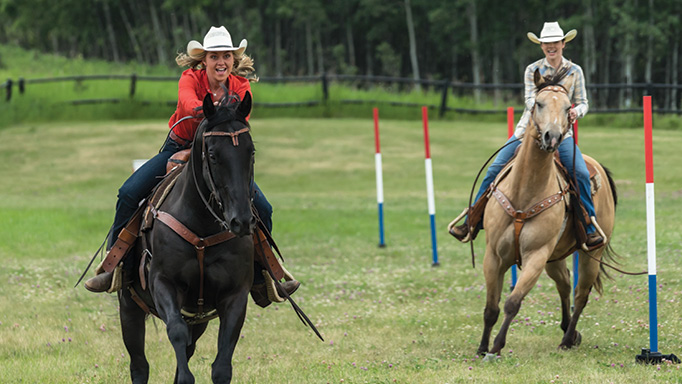
The original Spartan was a black gelding named Stormy, who joined the set at just four years old, unusually young for a television horse. “Usually, we don’t have any horses that are younger than 10,” Marshall has shared, “but Stormy just had this calm, gentle soul. He loved the limelight.” Stormy played Spartan for more than a decade, appearing in nearly every major storyline involving Amy and her trusted partner.

But as the years passed, Stormy developed arthritis. His joints were sore, his temperament was shifting, and Marshall recognized what she was seeing. “He was sore… and starting to get grumpy. I said, ‘This isn’t right for him.'” Rather than push a horse past his limits for the sake of continuity, she did something that felt natural to her and quietly radical for a television production: she suggested a new storyline to account for a new Spartan — and proposed her own horse, Hawk, as the replacement.

The producers agreed. Hawk stepped into the role. Today, Marshall works with her own horse every single day on the same set where she has spent nearly twenty years of her professional life. “Now I get to work with my own horse every day,” she has said, calling the experience both meaningful and full-circle. Stormy, meanwhile, is retired and living comfortably with one of the show’s original wranglers, alongside two other former Heartland horses. “They’re the three old guys now,” Marshall has said. “Stormy’s pampered and happy, and it makes me happy knowing he’s living his best life.”
The Ranch, the Store, and the Life She Built

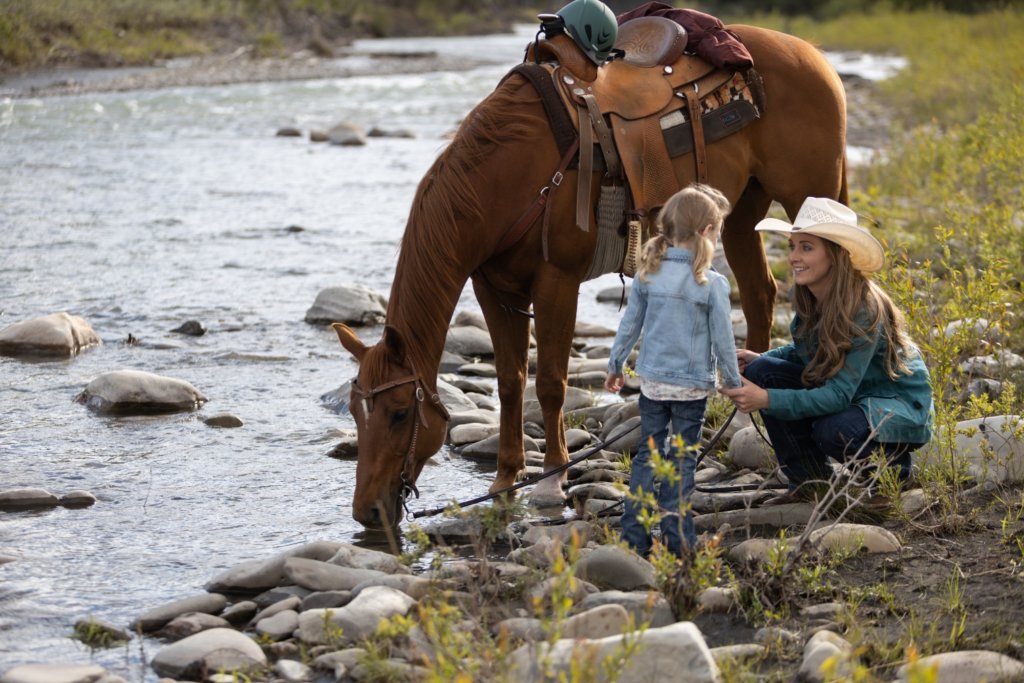
Off camera, Marshall’s daily life in Alberta looks less like a celebrity’s schedule and more like a working rancher’s. Her farm sits in the rolling countryside outside Calgary, where her off-season mornings involve checking calves, mucking stalls, and moving between dogs, cats, cows, chickens, ducks, and the occasional peacock. “People ask if I’m getting tired of Heartland,” she has said. “I won’t be done until they tell me I’m done. I love it — the people, the horses, the fact that I get to film in my own backyard and sleep in my own bed every night. I’m such a homebody.”

That rootedness extended into a business venture that surprised some fans but surprised nobody who had been paying attention. Marshall opened Marshall’s Country Store in Diamond Valley, Alberta — a shop selling her own Amber Marshall apparel line alongside Western wear, accessories, and home décor, much of it crafted by local artisans who share her affinity for country living. The store has become a destination in its own right for fans visiting the area, adding another layer to the real-world geography that the show has built around itself over nineteen years.

Her relationship with animals extends beyond horses and livestock. During quieter periods, she has volunteered at local veterinary clinics and humane societies, an extension of the same philosophy that defines Amy Fleming’s work on screen: pay attention, stay calm, be consistent, and actually listen. “Animals aren’t fooled by appearances,” she has said. “They react to what you bring around them.”

The Blurred Line That Makes the Show Work

Ask Marshall why Heartland has lasted nineteen seasons — twenty come fall 2026 — and she gives an answer that is not about writing rooms or network strategy. “Horses and cowgirls,” she says. “There’s something about the Western lifestyle. That connection between humans and horses that people just feel. Even if you’ve never been near a horse, there’s a respect there. I think that’s what keeps people watching.” And then, more specifically: “I believe horses have a lot to do with the longevity of Heartland. You can feel their power even through a screen.”

What makes that statement interesting is that it comes from a woman who has never had to fake that feeling. The show’s authenticity — the thing critics and fans most consistently point to when explaining why a Canadian family drama about a horse ranch has run for nearly two decades and generated close to 700 million hours of global Netflix viewing — is inseparable from the fact that its lead actress genuinely lives the life she portrays. She did not adopt a character. She grew into one that was already there.

As Season 20 begins filming in Alberta this summer, Marshall will be doing what she has done every summer since 2007: working with horses, sleeping in her own bed, and bringing a version of herself to a role that has never required her to pretend.

For a show that has always been about the quiet power of living close to the land, there may be no better foundation than that.
Related Posts

“I Am So Proud of You”: What the DOJ’s Epstein Files Reveal About Sarah Ferguson’s Private Relationship With a Convicted Sex Offender

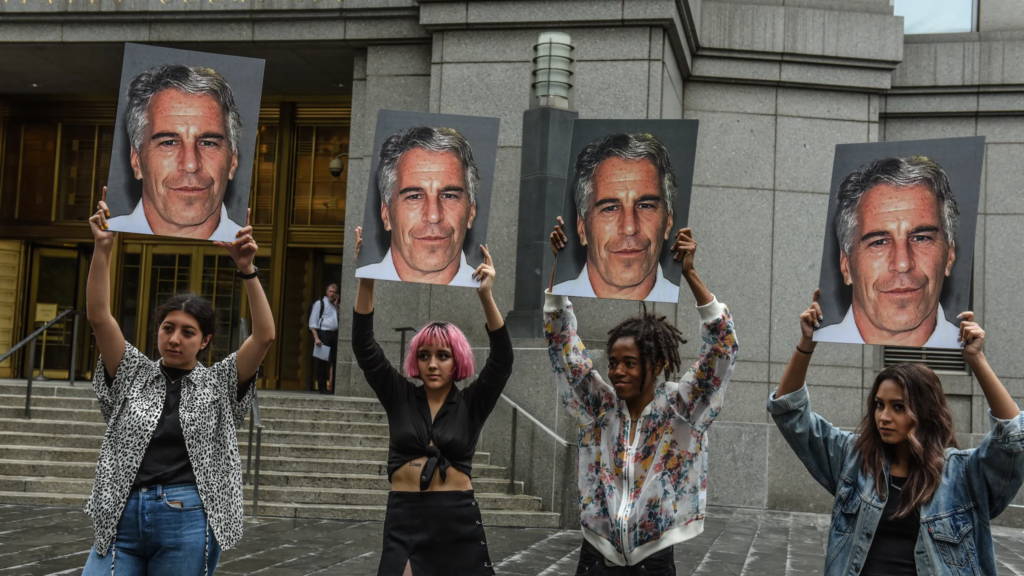
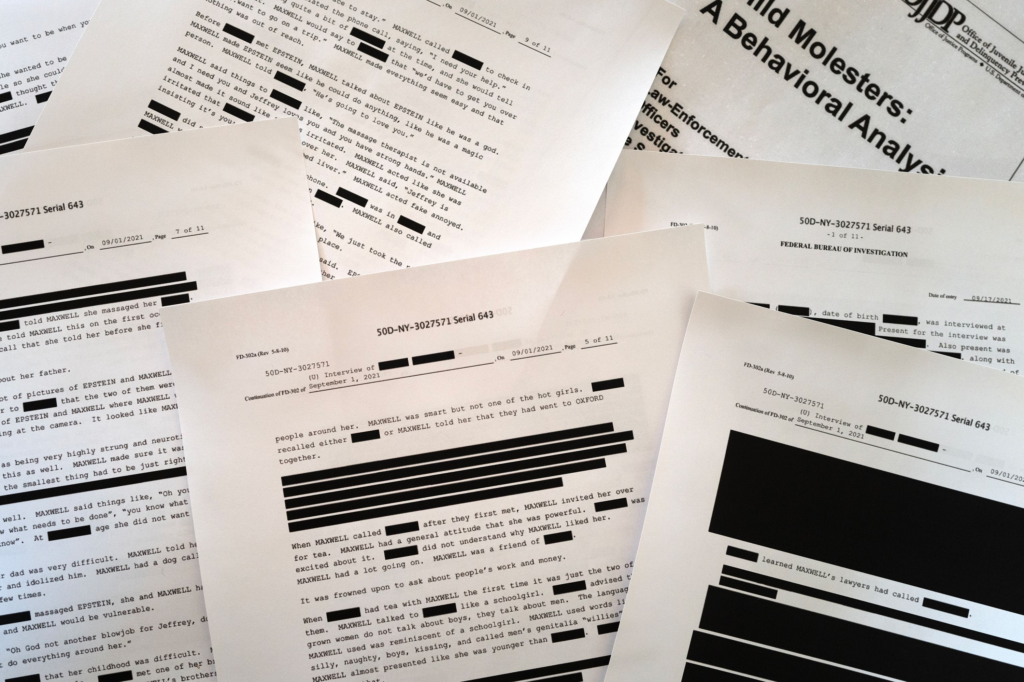
The United States Department of Justice has been releasing millions of documents from what it calls the “Epstein library” — the accumulated communications, financial records, and correspondence of Jeffrey Epstein, the financier convicted in 2008 of soliciting prostitution from a minor and arrested again in 2019 on federal sex trafficking charges before his death in custody that August. Among the many public figures whose names and private communications have surfaced in those files, Sarah Ferguson — the former Duchess of York and ex-wife of Prince Andrew — has become one of the most prominent, and the picture the emails paint is significantly more complicated than the public distance she has claimed to maintain from Epstein since his convictions became impossible to ignore.

CNN’s examination of dozens of files in the Epstein library, published in March 2026, found a pattern of correspondence that stands in direct contrast to Ferguson’s public statements about her relationship with the financier. And the most recent reporting, from June 27, adds a specific detail that has not previously been fully reported: according to emails reviewed by NewsNation, Ferguson visited Epstein not once but twice while he was participating in a work release program at a company that federal investigators later confirmed was fictitious — created by Epstein specifically to secure those work release privileges and, according to victims, used as a site of abuse.

It is important to state clearly at the outset: Ferguson has not been accused of any crime in connection with Epstein. The appearance of a person’s name in the Epstein files does not, by itself, suggest criminal wrongdoing. What the files do reveal is a private relationship that was substantially warmer, more financially entangled, and more personally significant to Ferguson than the public record has previously suggested — and a pattern of behavior that raises serious questions about her judgment and the accuracy of her public statements about how well she actually knew Epstein and what she knew about him.

The Work Release Program — and the Fake Company

To understand what Ferguson’s visits actually mean, it is necessary to understand where she was going. Epstein served his 18-month sentence at the Palm Beach County Stockade, beginning in 2008, after pleading guilty to a single charge of procuring a minor for prostitution. The plea deal — widely criticized at the time and subsequently investigated for the extraordinary leniency it showed a man whose conduct federal investigators had documented far more extensively — also granted Epstein access to a work release program that allowed him to leave his cell for up to 12 hours a day, six days a week.

To qualify for work release, Epstein registered the Florida Science Foundation, a nonprofit organization that ostensibly provided him with a legitimate employer to report to. Federal investigators and victims’ advocates have since established that the Florida Science Foundation was not a functioning organization in any meaningful sense. It was, according to those accounts, a mechanism — a paper entity created to satisfy the legal requirements of the work release program and give Epstein access to an office where he could conduct his affairs largely unsupervised. At least one victim, a woman named Roza, told Congress that Epstein offered her a job at the foundation and abused her there during the work release period.

It was at this office — this fictitious company, at this address, during a period when Epstein was technically still serving a criminal sentence — that Sarah Ferguson came to visit him. According to the emails reviewed by NewsNation, she visited twice, with a third visit planned but canceled at the last minute.

The Emails: What Ferguson Actually Wrote

The substance of Ferguson’s correspondence with Epstein, as documented in the DOJ files, tells a story about the nature of their relationship that is difficult to reconcile with the public distance she has attempted to maintain.

In early April 2009 — nine months into Epstein’s sentence — Ferguson emailed him to say she was landing in Palm Beach in a few hours and wanted to know whether she could stop by for “a quick cup of tea.” Epstein, who still had months remaining on his sentence, confirmed he was available. Two days later, he wrote to say she looked great — a comment suggesting the visit had occurred. The warm, casual register of both messages — neither person treating the situation as legally or morally exceptional in any way — is among the more striking details in the correspondence.

The broader pattern of Ferguson’s emails to Epstein during this period is equally revealing. She referred to him consistently in terms that suggest not a casual acquaintance or a professional contact but a genuinely close personal relationship. She called him her “spectacular and special friend” and “the brother I have always wished for.” She told him, explicitly and in writing, “I am so proud of you” — a sentiment expressed while he was serving time for procuring a child for prostitution.

She inquired repeatedly about borrowing money from him, asking whether he could lend her funds and whether he might employ her as his “house assistant.” She sought his advice on business ventures, including a project called “Mothers Army” — an initiative aimed at helping mothers in need, which Epstein reportedly helped her conceptualize and which she subsequently incorporated as an official entity in October 2011. Public records confirm that the company was dissolved in December 2016, with Ferguson listed throughout as a director.

On more than one occasion, Ferguson also jokingly suggested that Epstein should marry her. The emails, reviewed by CNN across dozens of documents, paint a portrait of a woman who was financially dependent on and personally devoted to a man whose crimes were not, by the time of this correspondence, matters of allegation — they were matters of record.

The Public Record vs. The Private Correspondence

What makes the emails particularly difficult to dismiss is the gap they reveal between what Ferguson said publicly about Epstein and what she wrote to him privately. In an interview, Ferguson tied Epstein to pedophilia and publicly distanced herself from him — a statement that, on its face, read as a clean repudiation of someone she had recognized as dangerous. The DOJ files reveal what happened next: Ferguson, in private correspondence, apologized to Epstein for those public comments. She was, according to the emails, remorseful not about her association with a convicted sex offender but about having said something that might have hurt his feelings.

That sequence — public condemnation, private apology — is among the more damning details in the files, because it suggests that the public statements were strategic rather than sincere. A person who genuinely believed their friend had done something monstrous does not typically write to apologize for saying so. A person managing their reputation while maintaining a private relationship might.

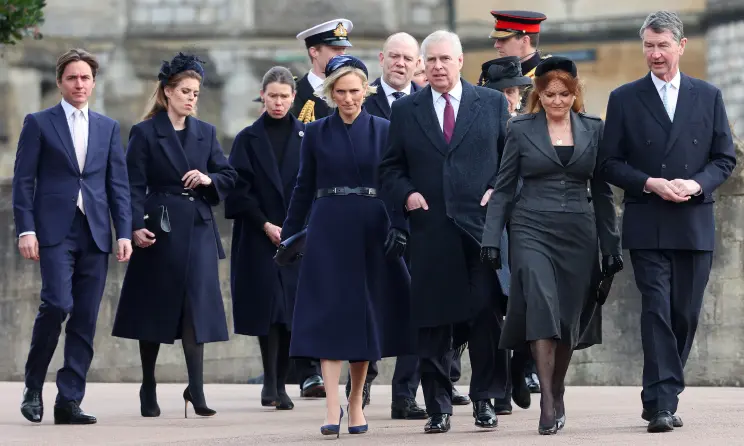
The broader Royal Family context adds further weight. Ferguson’s ex-husband, Prince Andrew, has faced extensive public consequences for his own association with Epstein — stripped of his royal duties and titles, removed from his residence in the Windsor Estate, and arrested in February 2026 on suspicion of misconduct in public office, with those charges still pending. Six companies linked to Ferguson were reported to be shutting down in the aftermath of the DOJ file releases, CNN previously reported. The institutional damage to the House of Windsor from the Epstein connection has been severe and ongoing, and Ferguson’s emails add another chapter to a story that the Royal Family has been unable to close.

What Ferguson Has Said — and What She Hasn’t

CNN reached out to a representative for Ferguson for comment on the email revelations. As of publication, no response has been received. Ferguson has not made a public statement specifically addressing the DOJ file correspondence or the work release visits. Her previous public statements about Epstein have emphasized distance and repudiation — a position that the private emails complicate substantially.

It is worth restating the legal baseline: Ferguson has not been accused of crimes related to Epstein. Visiting someone during a work release program, while troubling given who Epstein was and what he was doing during those visits according to victims, is not itself a criminal act. The emails establish a relationship, a pattern of communication, and a significant gap between public statements and private behavior. They do not, on their own, establish legal culpability.

What they do establish is a portrait of a woman who was, during the period Epstein was serving his first criminal sentence, more financially dependent on him, more emotionally invested in him, and more privately supportive of him than has ever been publicly acknowledged — and who chose, in public, to position herself as someone who recognized Epstein as the threat he was.

Those two things cannot both be true. The emails suggest which one was real.

Why This Story Matters Beyond the Palace

The ongoing release of the DOJ Epstein files has raised questions that go well beyond individual celebrities or royals. The files document, in granular detail, the architecture of access and influence that Epstein built around himself using the names, reputations, and photographs of prominent figures to give himself credibility and social legitimacy. Ferguson’s emails suggest Epstein was doing exactly that with her: her name appears in his correspondence as a calling card, with emails indicating he offered contacts access to royal institutions including Buckingham Palace Apartments using her connection.

The broader implication — that Epstein’s social network was not incidental to his crimes but integral to his ability to continue committing them — is a thread that the DOJ files are making increasingly difficult to ignore. The people who wrote warm emails to a convicted sex offender, who visited him during his sentence, who sought financial favors from him and apologized privately for public criticisms they made of him publicly: they are part of that architecture, whether they understood themselves to be or not.

The files will continue to be released. The emails will continue to surface. And the gap between the public stories prominent people have told about their relationship with Epstein and the private record those documents preserve will continue to widen — one revelation at a time.

Netflix Just Canceled The Boroughs After 1.7 Billion Viewing Minutes. Here’s the Full Story Behind One of Streaming’s Most Baffling Decisions.

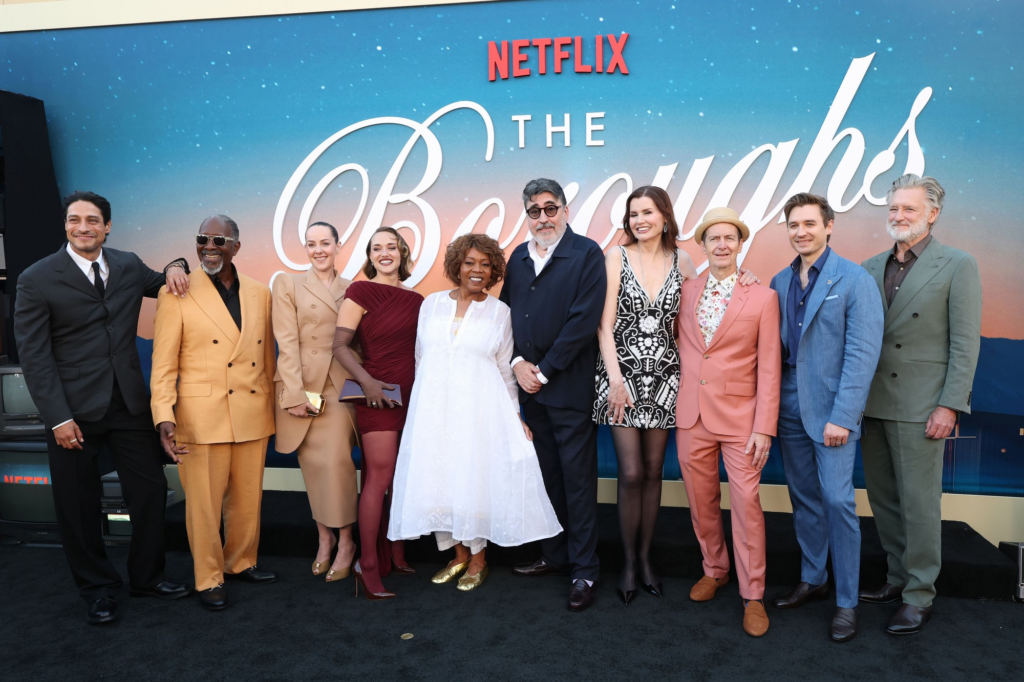
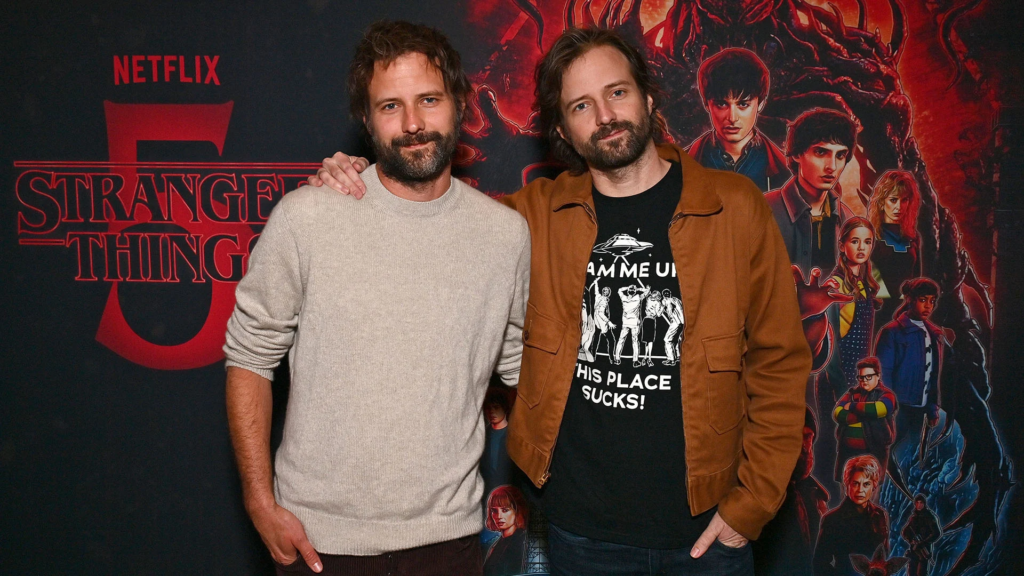
On June 17, 2026, Netflix canceled The Boroughs — a sci-fi drama executive produced by the Duffer Brothers, starring Alfred Molina, Geena Davis, Alfre Woodard, Denis O’Hare, Clarke Peters, and Bill Pullman, reviewed at 97% on Rotten Tomatoes, and watched for 1.7 billion minutes in its first full week of availability. The cancellation came less than four weeks after the show’s May 21 premiere. A Season 2 writers’ room had already been opened. Sources had been discussing the possibility of filming Seasons 2 and 3 back-to-back. The show was described by multiple entertainment outlets as the spiritual successor to Stranger Things, built on one of the most acclaimed ensemble casts assembled for a streaming drama in recent memory. And then Netflix said no.

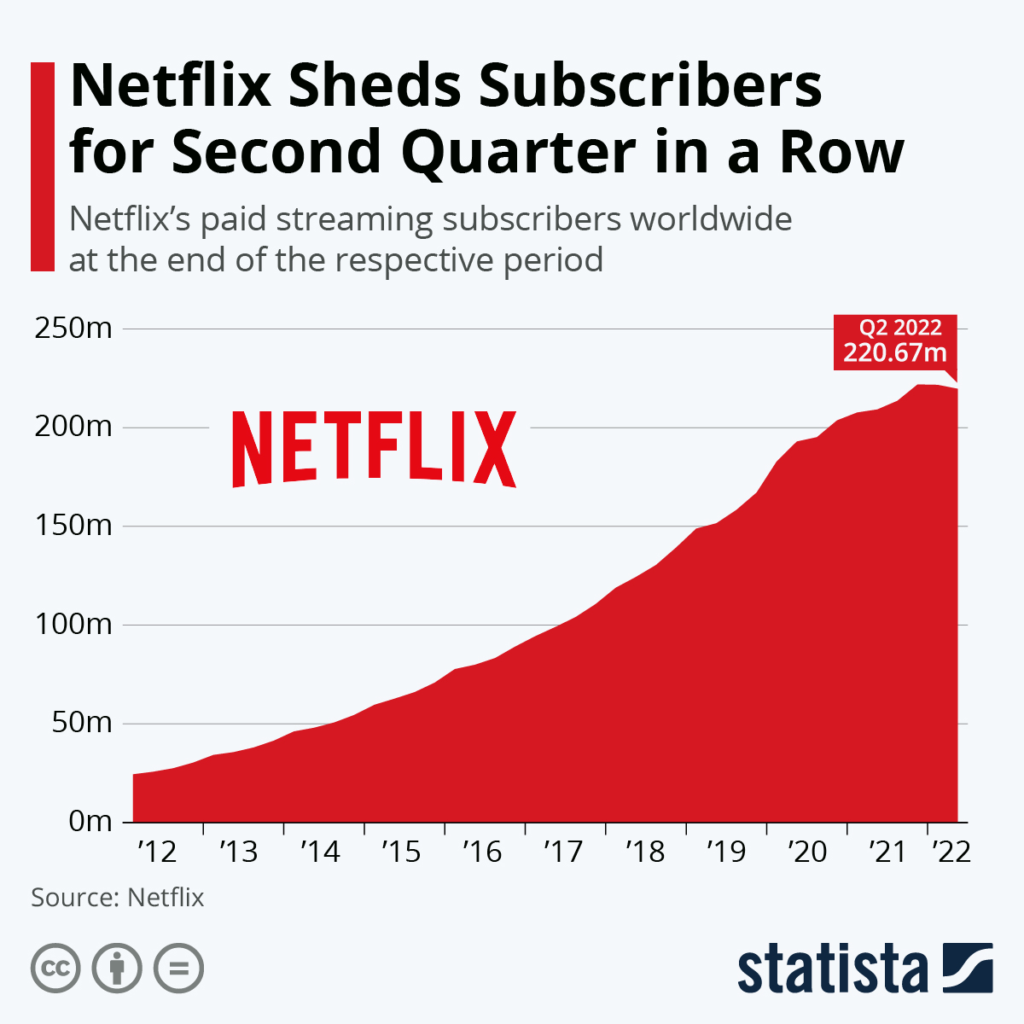
The reaction was immediate and sustained. Fans flooded streaming forums and social media with the specific kind of frustration that comes not from a bad show being canceled but from a good one being killed before it finished what it started. “Netflix is going to keep losing subscribers,” wrote one viewer. “I loved The Boroughs. So tired of Netflix ending shows once you are hooked.” The sentiment was not unique. It was, however, uniquely pointed given what the numbers actually showed about how the show had performed.

What The Boroughs Actually Was

For viewers who missed it during its brief window on the platform, The Boroughs is worth understanding before interrogating why it was canceled. Created by Jeffrey Addiss and Will Matthews and executive produced by Matt and Ross Duffer, the show is set in an idyllic New Mexico desert luxury retirement community — the kind of place that looks too perfect, with an unnervingly cheerful corporate staff and carefully curated grounds that suggest something has been very deliberately hidden from the residents who live there.

The series follows those residents — played by Molina, Davis, Woodard, O’Hare, Peters, and Pullman — as they uncover a dark conspiracy involving a subterranean supernatural entity and a youth-stealing cult operating beneath the community’s manicured surface. It is, in its DNA, a Duffer Brothers production: a genre show wrapped in warmth, using a supernatural threat as a lens for examining what it means to be human at a specific and underserved stage of life. The logline described it as a group of unlikely heroes who “must band together to stop an otherworldly threat from stealing the one thing they don’t have — time.” That framing — a horror story whose stakes are literally aging — gave the show an emotional dimension that critics responded to strongly.

It debuted on Netflix on May 21, 2026, with all episodes available at once. In its first four days, it drew 5.6 million views, placing it second on Netflix’s English-language TV chart behind Nemesis. In its first full week, it jumped to first with 9.5 million views and 35 million hours viewed. Nielsen’s own delayed chart confirmed the second-place debut figure. The reviews matched the viewership: a 97% approval rating on Rotten Tomatoes, awards buzz building around several of the ensemble performances, and widespread critical consensus that the show was one of the most interesting new dramas of the year.

The Numbers That Made the Cancellation Shocking

Understanding why the cancellation was so broadly perceived as a mistake requires sitting with the viewership trajectory — because the pattern is genuinely unusual. The Boroughs opened at 5.6 million views in its first four days. It climbed to 9.5 million in its first full week. Then it fell: 3.7 million in week three, 2 million in week four. By the time Netflix shared those week-four numbers on June 16, the decision had apparently already been made internally. The show was canceled the following day, June 17.

That declining curve is, on its surface, the statistical argument Netflix would make for the cancellation. Week-over-week drops of that magnitude signal that a show burned through its core audience quickly and failed to sustain the kind of ongoing discovery that keeps a title performing. In the streaming economy, a show that generates massive opening numbers but falls off sharply is less valuable than a show with modest but consistent viewership — because the latter keeps subscribers engaged across a longer window, which is what streaming platforms are actually selling.

But the numbers look different when you add context. The 1.7 billion minutes Nielsen reported for The Boroughs’ debut week placed it second on the chart, a figure that The Wrap noted was reported only days before the cancellation. The show generated 19 million views in its first 18 days — a figure Variety confirmed from Netflix’s own reporting. It was being compared to Stranger Things in coverage across every major entertainment outlet. Awards conversation had begun. And yet the decision had apparently been made before the show even had a chance to find its second wave of viewers through word of mouth and recommendation algorithms.

The Real Reasons: Cost, Betrayal, and a Deadline Nobody Talked About

The viewership data tells part of the story. The rest comes from reporting by The Hollywood Reporter and Deadline, whose sources inside and adjacent to Netflix filled in the details that the numbers alone don’t explain.

The first and most significant factor was cost. Each episode of The Boroughs reportedly cost approximately $10 million to produce — a figure that one source described as “materially higher” when the full accounting was done. For a streaming platform that has been working to rationalize its content spending after years of “Peak TV” excess, a show requiring that level of per-episode investment needs to perform at a scale that sustains the economics across multiple seasons. The viewership trajectory of The Boroughs, however impressive in absolute terms, apparently did not meet that threshold in Netflix’s internal projections for what a second and third season would need to generate to justify the cost.

The second factor is more complicated and carries a different emotional charge. Two days before news of the cancellation leaked, Paramount publicly announced that the Duffer Brothers had signed a four-year deal with the studio — a move that effectively announced they were leaving Netflix for a competitor, taking with them the creative identity most associated with Stranger Things and, implicitly, The Boroughs. According to THR sources, that announcement “rankled some high-ranking Netflix executives,” though a Netflix spokesperson denied that characterization, insisting the Duffers still have multiple projects in development at the platform.

Whether or not the Paramount deal directly influenced the cancellation decision, the timing created an inescapable optics problem. A show executive produced by creators who had just publicly signed with a rival studio was canceled less than 48 hours after that announcement. Netflix owns 100% of The Boroughs and has confirmed it has no plans to sell the series. The Duffer Brothers are gone. The show is gone with them, in the specific sense that matters most: there will not be a Season 2.

The third factor was structural and purely administrative. June 15 was the deadline by which Netflix had to extend the options on The Boroughs’ cast — the contractual mechanism that reserves actors for a potential second season. Netflix declined to extend those options. By declining, the platform effectively made the cancellation irrevocable before it was even publicly announced. The news leaked on June 17. The cast’s options had already lapsed two days earlier.

Is Netflix Actually the Villain Here?

The fan response to The Boroughs’ cancellation has been framed almost entirely as Netflix doing something wrong — canceling a good show with strong numbers before it had a chance to develop its full audience. That framing is emotionally satisfying and has the advantage of being, in some respects, accurate. But it is also incomplete.

CBR published an analysis in the wake of the cancellation arguing that Netflix is, statistically, no longer the “King of Cancellations” it was once labeled. Its cancellation rate has actually improved relative to its competitors: Amazon canceled one in every 3.7 shows, Peacock one in 3.1, Max one in 2.8, and Hulu one in 2.6. Netflix, by comparison, cancels one in every 4.2 shows — a ratio that places it among the more renewal-friendly major platforms. The problem is not that Netflix cancels frequently by industry standards. It is that the shows Netflix cancels tend to be high-profile, beloved, and mid-story — which makes each individual cancellation feel like a disproportionate loss.

The case for Netflix’s decision on The Boroughs is also not entirely without logic. A show that costs $10 million per episode and draws 2 million views in its fourth week is genuinely difficult to justify across a projected three-season run — not because the show is bad, but because the economics of expensive speculative programming have become less forgiving in the streaming landscape of 2026 than they were during Peak TV. The platform’s current executive regime did not greenlight The Boroughs. It inherited it, priced it, watched it perform, and made a calculation. Whether that calculation was correct is something neither viewership projections nor fan outrage can fully resolve.

What is clear is that the audience for The Boroughs — specifically the audience for a prestige supernatural drama centered on older characters, with an ensemble cast that represented a demographic almost entirely absent from the streaming landscape’s typical offerings — was real, engaged, and now left without an ending. The writers who had opened the Season 2 room will not finish the story. The cast, whose options have lapsed, are free to move on. The show that was described as “Stranger Things but for adults who have actually lived something” will remain exactly one season long.

Whether that is a business decision or a failure of nerve is a debate the streaming industry will be having for years. The Boroughs will not be there to resolve it.