
 Televison New
If you have spent any time watching Heartland, you know Hudson, Alberta — the fictional small town where the Bartlett-Fleming family buys supplies, argues over coffee at Maggie’s Diner, and navigates the kind of slow-burning community drama that makes the show feel lived-in rather than manufactured. What you may not know is that Hudson does not exist. It never has. The streets, the storefronts, the diner, the park benches — all of it belongs to a real town called High River, located about 45 minutes south of Calgary in the foothills of the Canadian Rockies. And over nineteen seasons of Heartland, High River has done something remarkable: it has become a genuine fan pilgrimage destination, drawing thousands of visitors each year from the United States, Europe, and Australia who come not to see Canada, but to see the show — and find that the two things, as it turns out, are largely the same.
A Town 45 Minutes From Calgary That the World Now Knows as Hudson
High River sits in Foothills County, southeast of the Rocky Mountain foothills, in a part of Alberta that looks almost exactly the way non-Albertans imagine Alberta looks: wide open sky, rolling grassland, the jagged line of distant mountains on the western horizon, and a downtown that has changed slowly enough over the decades that it still reads as genuinely historic rather than restored-for-tourism. That combination of landscape and authentic small-town architecture is precisely why Heartland‘s location scouts chose it in 2007, and why the production has returned to the same streets, same storefronts, and same surrounding countryside for every season since.
The town is not a set. It is a functioning community of roughly 14,000 people where Heartland happens to film, and that distinction matters to the experience of visiting it. The streets fans walk are streets locals actually use. The diner exterior fans photograph is attached to a real building. The museum they visit is a working institution with its own community history that extends well beyond anything the show has done with it. Heartland did not create High River. It simply introduced it to the world
.
Maggie’s Diner: The Most Photographed Building in Foothills County
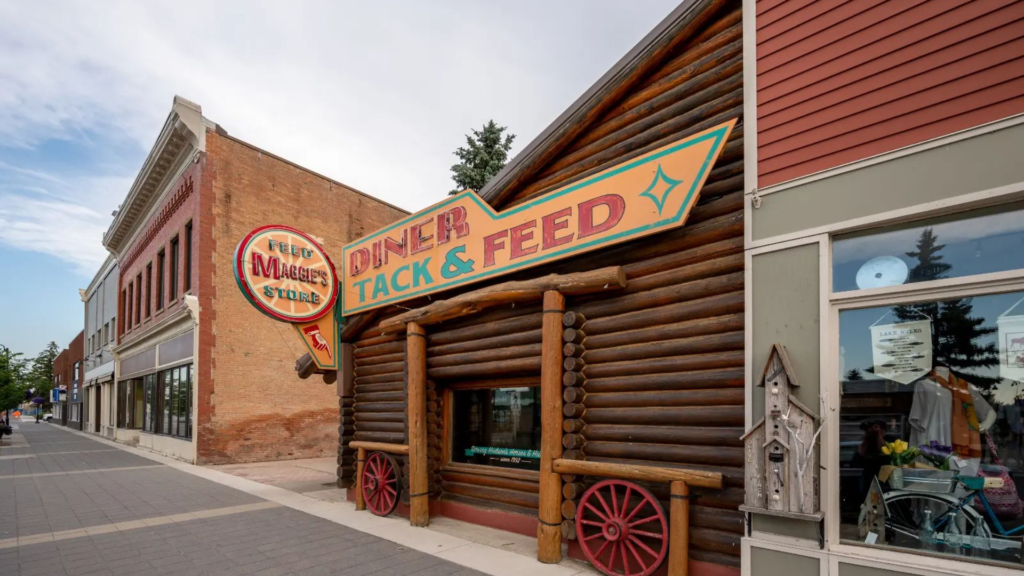
No single location in High River has become more synonymous with Heartland fan tourism than the building that serves as Maggie’s Diner on screen. Located downtown, the building’s public-facing position makes it one of the few filming locations fans can access completely freely — walking up to the windows, peering inside, taking photos from the sidewalk, or simply sitting across the street and watching the foot traffic move past a building they have seen on screen hundreds of times.
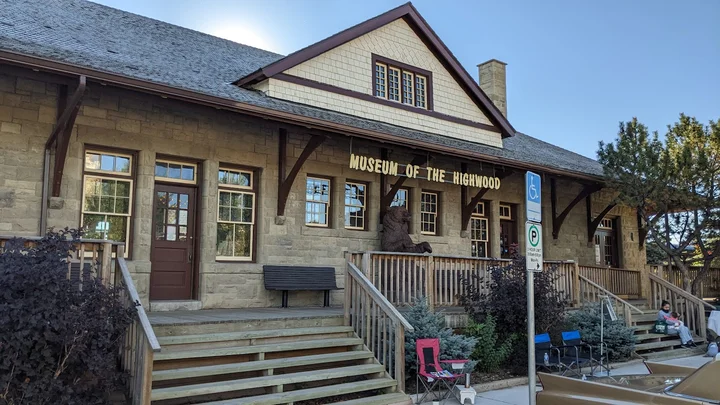
During active filming periods, the experience gets considerably more interesting. The production crew parks trailers behind the Museum of the Highwood — the town’s history museum, located in a historic Canadian Pacific Railway station — and locals and visitors alike can tell at a glance whether a filming day is underway. If the trailers are there, cast members are moving between set and holding areas throughout the day, and patient fans positioned in public spaces have occasionally spotted the show’s actors in transit. The museum’s own visitor services staff, well-versed in Heartland geography by now, reliably point new arrivals toward whatever is happening that day.
The Museum of the Highwood: Where High River’s History Meets Heartland’s
The Museum of the Highwood, housed inside a beautifully preserved Canadian Pacific Railway station, serves double duty for visitors to High River: it is the town’s primary historical institution and its most accessible Heartland experience under one roof. The museum maintains a dedicated Heartland exhibit featuring production materials, behind-the-scenes context, and documentation of the show’s relationship with the community — and its Visitor Information Centre, located inside the same building, functions as the unofficial starting point for any Heartland-focused visit to the area.
The museum’s numbers speak to the scale of what the show has done for the town. In 2019 alone, 18,000 people came through the museum’s doors — a record at the time — and of those, approximately 6,000 were there specifically for Heartland-related attractions. That figure represents roughly one in three visitors arriving at a small-town regional history museum because a television drama sent them there. For a town of 14,000 people, that is a meaningful tourism footprint, and it has grown steadily as the show’s international streaming reach has expanded.
The museum’s visitor services coordinator has noted the pattern that plays out repeatedly: fans arrive because of Heartland, but they end up staying longer or returning because of High River itself. “They’ll come because of Heartland,” she has said, “but they actually end up either staying longer or returning, because of that High River–southern Alberta charm.” The show functions, in practice, as a long-running tourism advertisement for a part of Canada that most international visitors might never have sought out on their own.
The Ranch Itself: Close, But Not Open
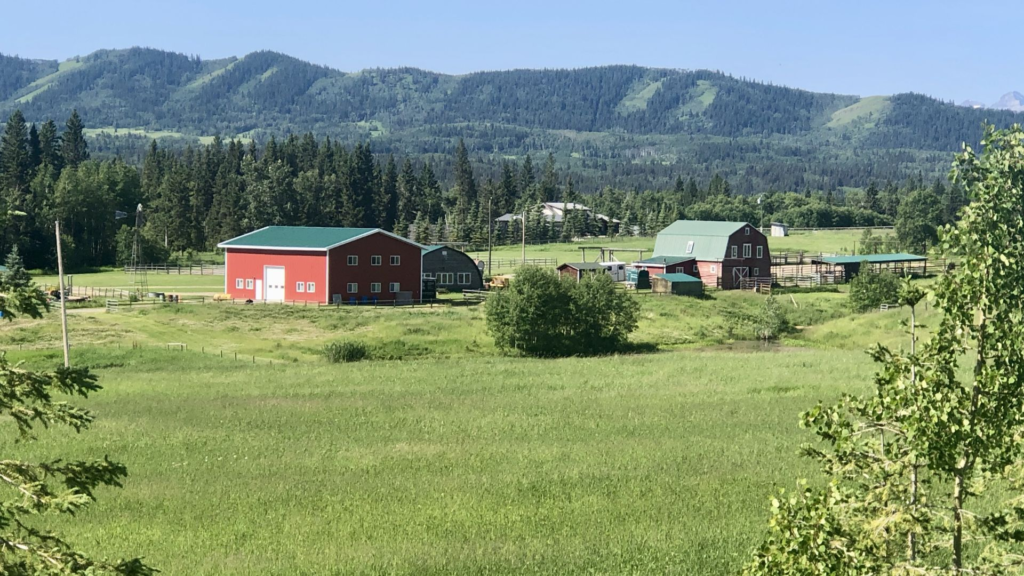
One of the most common questions from visiting Heartland fans is a simple one: can you go to the ranch? The answer is more complicated than most people expect. The famous Heartland ranch — the property with the barn, the corral, and the house exterior fans recognize from every episode — is filmed near Millarville, a small community southwest of Calgary. The ranch buildings were constructed specifically for the production and are located on privately owned land. There are no official tours. Visitors cannot walk freely onto the property.
What is possible, and what many fans do, is drive past on public roads to see the area from a distance. The surrounding Millarville countryside is publicly accessible and provides the same rolling foothills, mountain backdrops, and wide Alberta sky that make every outdoor shot on the show feel cinematic. Several other filming locations in the area are fully accessible: the Millarville Racetrack, which has appeared in rodeo and horse racing scenes throughout the series, is a working facility that hosts public events throughout the year. Spruce Meadows, a premier equestrian facility in Calgary that has appeared on screen, is open to visitors and draws families independently of any Heartland connection.
Travel Alberta has developed a three-day “Heartland Adventures in Southern Alberta” itinerary that guides visitors from Calgary through High River and west toward Millarville and other filming locations, providing practical routing for fans who want to see as much of the show’s real geography as possible. Tourism Calgary maintains a complementary self-guided version that can be completed as a day trip from the city.
A Town That Has Embraced Its Second Identity
What makes High River’s relationship with Heartland unusual among filming-location tourism stories is the degree to which the town has actively embraced the show rather than merely tolerating it. Local businesses in the visitor services sector have built their offerings around Heartland fan traffic. The museum has invested in exhibit infrastructure to serve that audience. Accommodation providers note that a meaningful share of overnight stays come from visitors who time their trips around filming schedules or fan events.
That embrace reflects something real about the fit between the show and the community. Heartland does not portray a glamorized or ironic version of small-town Alberta life. It portrays something that residents of High River and Foothills County can largely recognize: the rhythms of ranching, the textures of rural community, the particular way that landscape shapes identity in southern Alberta. When fans arrive looking for Hudson, what they find is a town that is, in most of the ways that matter, already a lot like it.
With Season 20 now filming in Alberta through August 2026 and a fall premiere scheduled on CBC, the timing for a High River visit has rarely been better — or more pointed. If the rumours about Season 20 being the show’s final chapter prove correct, this summer and fall represent the last opportunity to visit a town that is actively, simultaneously being both itself and the fictional place it has inhabited for nineteen years. For long-term fans, that window may be worth more than any guided tour.