
 Televison New
Introduction: The Shadow of a Broken Man In the vast landscape of modern cinema, where many stories follow predictable paths of heroics, Dollhouse (2022) emerges as a haunting, “Noir” exploration of the human soul’s darkest corners. Directed by Marla Ancheta, this Filipino masterpiece is not a fairy tale; it is a gritty, visceral look at the cost of addiction and the desperate, often late-stage search for redemption. At its core, the “Storyline” follows Rustin, a man whose life has been a series of self-inflicted wounds. But when he is faced with the “genius” of a child’s innocence, his world begins to shift in ways he never anticipated. At our platform, we are deconstructing why Dollhouse has become a global emotional phenomenon and how it redefines the “Spirit of the Law” when it comes to a father’s love.
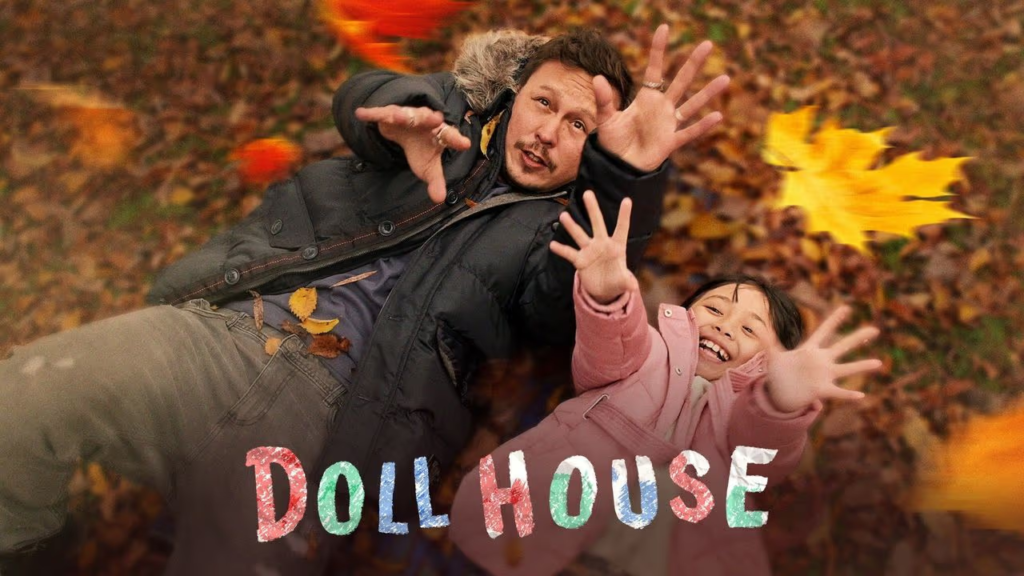
The Premise: A Ghost Returning to the Living The narrative begins with Rustin (played with a “Noir” intensity by Baron Geisler), a washed-up rock star whose life is a blur of substance abuse and wasted potential. He is a man who has successfully burned every bridge he ever built. However, a sudden realization of his own mortality and a yearning for a daughter he never knew leads him to Rotterdam. The “genius” of the script is in its restraint. Rustin doesn’t arrive as a hero; he arrives as a ghost—a stranger lurking on the edges of a life he abandoned. He takes a job as a “manny” (male nanny) for his own daughter, hiding his true identity behind a mask of professional distance. This creates a high-stakes emotional tension that keeps the audience in a state of constant, “meaningful” anxiety.
Rustin: The Anatomy of a Fallen Idol Baron Geisler delivers the performance of a lifetime. His portrayal of Rustin is a masterclass in “Noir” vulnerability. We see the trembling hands, the haunted eyes, and the deep-seated self-loathing that defines his existence. Rustin is not an easy character to like, but he is an impossible character to ignore. His “Storyline” isn’t about a sudden, magical transformation; it is about the agonizingly slow process of trying to be better for someone else. The show doesn’t shy away from the ugliness of his past, making his small victories feel earned and incredibly powerful. He represents the “genius” of the human spirit’s capacity to seek light even when it feels like the sun has permanently set.
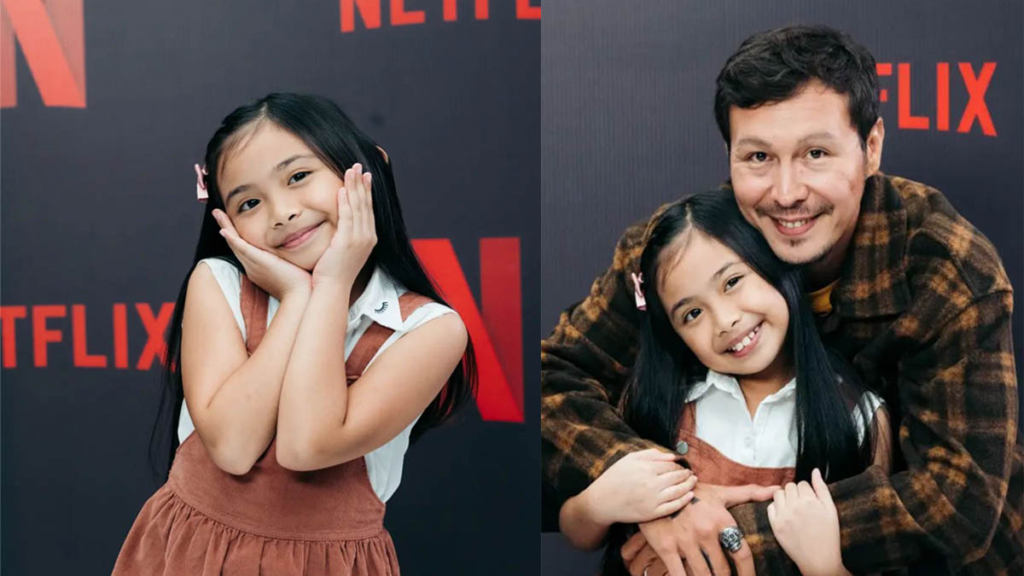
The Catalyst: Innocence in a World of Experience The heart of the movie is the relationship between Rustin and his daughter, Lullaby (Althea Ruedas). Althea’s performance brings a vibrant, “Feel-Good” contrast to Rustin’s “Noir” shadows. She is the “genius” that unlocks his heart. The “Spirit of the Law” in their connection is one of pure, unfiltered honesty. Lullaby doesn’t know about the scandals, the addiction, or the failures; she only sees the man who plays music with her and protects her. This dynamic forces Rustin to confront the version of himself he could have been, adding a layer of profound “meaningful” tragedy to the film. Every moment they spend together is a ticking clock, as the audience knows that his secrets cannot remain hidden forever.
The Aesthetic: A Cold City for a Cold Heart Set against the backdrop of Rotterdam, the cinematography utilizes the city’s modern, somewhat sterile architecture to mirror Rustin’s internal isolation. The “Noir” color palette—filled with cool blues, greys, and the stark contrast of neon lights—creates an atmosphere of melancholy and longing. The setting feels distant and foreign, emphasizing Rustin’s status as an outsider in his own family. However, as his bond with Lullaby grows, the visuals begin to soften, introducing warmer tones and more intimate camera work. This visual “Storyline” perfectly tracks the emotional thawing of a man who thought he was frozen forever.
Redemption and the Cost of Truth Dollhouse asks a difficult “Noir” question: Is love enough to erase the past? As the truth of Rustin’s identity and his ongoing struggles come to light, the film moves toward a devastatingly honest conclusion. It doesn’t offer a shallow, “Hollywood” happy ending. Instead, it offers something far more “meaningful”—the idea that true redemption often requires a final, selfless sacrifice. The “genius” of the finale is that it prioritizes the well-being of the child over the desires of the father. It proves that the most “Alpha” thing a man can do is put his own ego aside to ensure a better future for the next generation.
The Global Impact: Why it Resonates Since its release on Netflix, Dollhouse has resonated with audiences worldwide because it speaks to the universal themes of regret and the hope for a second chance. It is a “Storyline” that feels authentic to the human experience. It reminds us that we are all, in some way, living in a “dollhouse”—a fragile structure of our own making that can be shattered by a single mistake or rebuilt through a single act of love. Its success is a testament to the power of raw, character-driven storytelling that isn’t afraid to look into the “Noir” depths of the soul.
Conclusion: A Song for the Broken Dollhouse (2022) is a cinematic punch to the gut. it is a beautiful, tragic, and ultimately hopeful film that explores what it means to be a father when you’ve forgotten how to be a man. It is a story of music, memories, and the long road back to oneself.
For those who appreciate movies that challenge the heart and the mind, ‘Dollhouse’ is an essential experience. It is a reminder that even in the ruins of a life, something beautiful can still be built. Are you ready to face the music?