
 Televison New
January 16, 2026
In the world of television romance, love is often portrayed as dramatic, explosive, and filled with constant emotional highs. Couples fall in love quickly, break up loudly, and reunite in moments of heightened drama. But the love story of Amy Fleming and Ty Borden in Heartland chooses a very different path — one that feels quieter, slower, and far more truthful to real life.
Their relationship is not designed to dazzle. Instead, it unfolds with patience, pain, and emotional honesty. And that is exactly why it has endured in the hearts of viewers for so many years.
Two Broken People Meeting at the Wrong Time — and the Right One
When Amy Fleming and Ty Borden first meet, neither of them is ready for love. Amy is still drowning in grief after the sudden death of her mother, Marion Fleming. Heartland, once a place of warmth and healing, has become a reminder of loss. Amy’s connection to horses is the only thing keeping her grounded.
Ty, meanwhile, arrives at Heartland carrying his own invisible wounds. Raised in the foster care system, he has never known stability or unconditional love. Trust does not come easily to him. He has learned to survive by keeping emotional distance and leaving before he can be abandoned.
From the beginning, their connection is not romantic in the traditional sense. It is cautious, guarded, and often uncomfortable. They circle each other, testing boundaries, unsure whether closeness will bring comfort or pain.
This slow, uncertain beginning sets the tone for everything that follows.

A Love That Grows Through Time, Not Moments
What makes the love story of Amy Fleming and Ty Borden so distinctive is how deliberately it develops. There is no instant chemistry meant to convince the audience that these two are “meant to be.” Instead, their bond forms through shared experiences: working side by side at the ranch, caring for injured horses, and navigating emotional setbacks together.
Their relationship is defined as much by distance as by closeness. Ty repeatedly leaves Heartland — sometimes out of ambition, sometimes out of fear, and sometimes out of a deep sense of responsibility. Each departure hurts Amy, reopening her fear of being left behind.
Amy, however, is never portrayed as passive or dependent. While Ty struggles with self-worth and belonging, Amy learns how to stand on her own. She builds a career, strengthens her voice, and grows into her independence. Loving Ty never means losing herself.
This balance between love and selfhood is one of the most realistic aspects of their relationship.
Conflict Without Villains
Amy and Ty fight. They misunderstand each other. They make mistakes. But what stands out is that their conflicts are never framed as good versus bad. There are no villains in their relationship — only two people trying to figure out who they are while holding onto each other.
Ty’s instinct to leave is not cruelty; it is fear. Amy’s frustration is not selfishness; it is the need for stability. These are deeply human flaws, and Heartland allows them to exist without forcing easy resolutions.
Their love survives not because they avoid conflict, but because they learn how to return to each other after it.
Growing Together Without Losing Individual Paths
One of the most meaningful themes in Amy and Ty’s love story is personal growth. Ty evolves from a troubled, defensive teenager into a compassionate veterinarian, driven by a desire to help animals and people alike. His growth is slow and often painful, marked by setbacks and self-doubt.
Amy’s growth is quieter but equally powerful. She transforms from a girl defined by loss into a woman defined by strength, empathy, and confidence. Her world expands beyond Heartland, even as she remains deeply connected to it.
Crucially, their love does not erase their individuality. Instead, it supports it. They do not grow because of each other — they grow alongside each other.
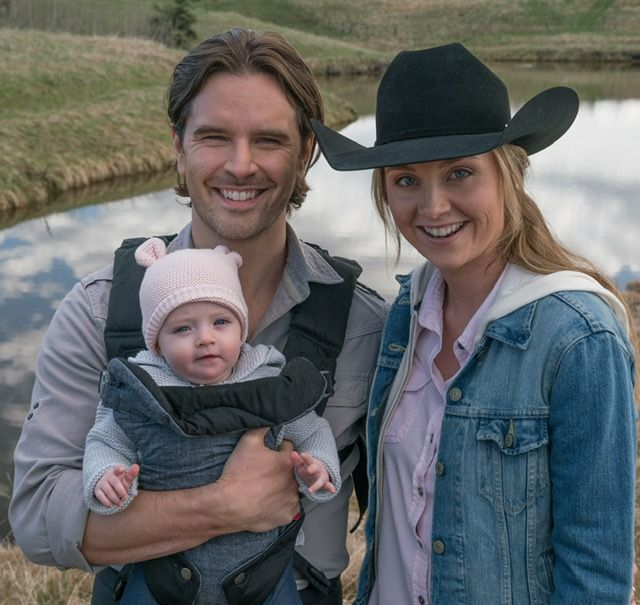
Marriage as a Beginning, Not an Ending
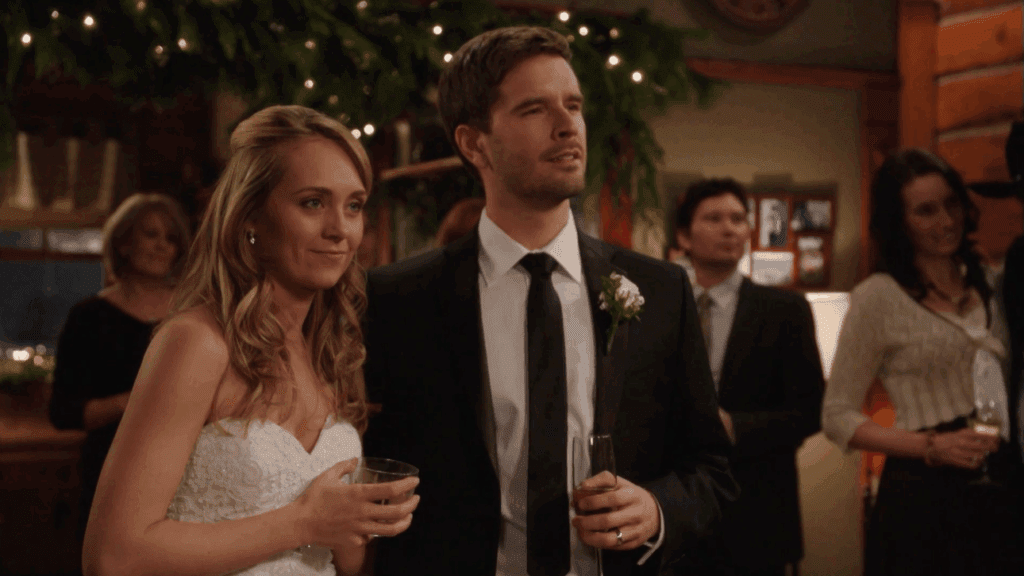
When Amy and Ty finally marry, the moment feels earned rather than idealized. It does not signal the end of struggle, but the beginning of a new phase shaped by responsibility and resilience.
Marriage does not protect them from hardship. They face long separations, career pressures, and the quiet stress of adult life. Yet by this point, their relationship has matured. Love is no longer driven by fear of loss, but by partnership.
They become each other’s anchor — not because life is easy, but because it is not.
Love That Endures Beyond Loss
Ty’s eventual death is one of the most devastating moments in Heartland. It is sudden, unfair, and deeply painful. For Amy, it represents not only the loss of a husband, but the loss of a future they were still building.
Yet even in death, Ty’s presence remains. His love continues to shape Amy’s choices, her values, and the way she moves forward. Their relationship transcends romance and becomes something more enduring — a bond that survives absence.
In this way, Heartland refuses to reduce love to happy endings. Instead, it shows that love can remain meaningful even when it is cut short.

Why Amy and Ty’s Love Still Matters
The love story of Amy Fleming and Ty Borden is not designed to make viewers believe in perfect relationships. It is meant to remind them that love is work — often quiet, often painful, and deeply rewarding.
Their relationship resonates because it mirrors real life. Love is not about constant happiness, but about choosing someone again and again, even when it is difficult.
And that is why, after so many seasons, Amy and Ty remain the emotional core of Heartland.
In the end, their love is not measured by how long it lasted, but by how deeply it shaped who they became — and how it continues to live on, long after goodbye.