
 Televison New
Introduction: The Texture of a Living World While the heart of the Heartland ranch beats within the immediate Fleming-Bartlett family, its pulse is sustained by a vibrant, complex community of friends, rivals, and extended kin. A “Storyline” as long-running as this one requires more than just central heroes; it requires a world that feels inhabited, textured, and real. The town of Hudson and the surrounding properties are filled with characters who bring their own “Noir” struggles, “genius” solutions, and comedic relief to the prairie. From the polarizing ambition of Tim Fleming to the rugged loyalty of Caleb Odell and the sophisticated grace of Lisa Stillman, these characters are the threads that weave the tapestry together. In this 1000-word analysis, we celebrate the supporting cast and explore why they are essential to the show’s enduring success.
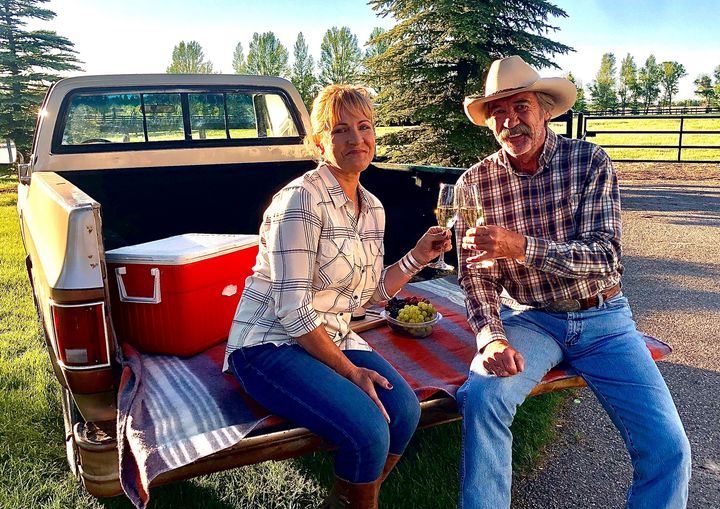
Tim Fleming: The Complexity of Redemption Perhaps no character in the series evokes as much debate as Tim Fleming (Chris Potter). When he first appeared, he was the “Noir” antagonist—the estranged father with a history of addiction and abandonment. His “Storyline” has been a grueling, fifteen-season masterclass in the messy reality of redemption. Tim is often arrogant, impulsive, and frustratingly ego-driven, yet his growth is undeniable. His “genius” lies in his resilience; he is a man constantly fighting his own worst instincts to be the father and grandfather his family deserves. Whether he is navigating his volatile relationship with Jack or finding unexpected late-life love with Jessica, Tim provides the friction necessary to keep the narrative grounded. He reminds the audience that growth is not a straight line and that even the most flawed individuals are capable of profound loyalty when it counts.
Caleb Odell: From Rodeo Cowboy to Trusted Ally Caleb Odell (Kerry James) began as the quintessential “Noir” bad boy of the rodeo circuit—charming, reckless, and perpetually in trouble. However, his evolution into a steadfast friend and reliable ranch hand is one of the most satisfying subplots in the series. Caleb’s “Storyline” represents the “Spirit of the Law” of the working-class cowboy. He has faced professional failure, romantic heartbreak, and the physical toll of a brutal career, yet he remains the ranch’s most loyal ally. His chemistry with the rest of the cast provides essential comedic relief, but his deeper moments—especially his brotherhood with Ty Borden—offered a “meaningful” look at male friendship in a rural setting. Caleb is the bridge between the ranch and the wider world of Western sports, proving that even a drifter can find a place to call home.
Lisa Stillman: The Grace of the Modern West If Jack Bartlett is the soul of the ranch’s past, Lisa Stillman (Jessica Steen) is the embodiment of its sophisticated future. As a world-class horse breeder and a wealthy businesswoman, Lisa brought a “Noir” level of elegance and global perspective to the “Storyline.” Her relationship with Jack is one of the most groundbreaking depictions of mature love on television. Lisa doesn’t just complement Jack; she challenges him. She represents the “genius” of female independence, proving that you can be a devoted partner while maintaining your own empire. Her presence at the ranch provides a necessary contrast to the rustic lifestyle, showing that the “Spirit of the Law” of the horse world is diverse enough to include both the dirt of the round pen and the prestige of the winner’s circle.
The Pillars of the Community: Maggie’s Diner and Beyond The town of Hudson itself acts as a character, primarily through the iconic Maggie’s Diner. This setting has been the stage for countless “Storylines”—from the early days of Soraya and Mallory to the modern challenges faced by Lou as Mayor. The supporting characters who inhabit these spaces provide the social fabric of the show. They represent the “genius” of small-town life: the gossip, the support systems, and the shared history that binds people together. Whether it’s a veteran veterinarian offering advice or a rival rancher stirring up trouble, these figures ensure that the Fleming-Bartlett family never exists in a vacuum. They remind us that no man is an island, and no ranch can stand alone against the challenges of the world.
Subverting Tropes: The “Noir” Side of Side Characters What makes the supporting cast so effective is that the writers treat them with the same respect as the leads. They aren’t just there to move the plot forward; they have their own “meaningful” arcs. We’ve seen supporting characters deal with mental health issues, financial ruin, and the complexities of foster care. By allowing these characters to have their own “Noir” moments of darkness and struggle, the show creates a high-stakes environment where everyone’s actions have consequences. This depth is what keeps the audience invested; we don’t just care about Amy and Jack— chúng ta care about the entire ecosystem of Hudson.
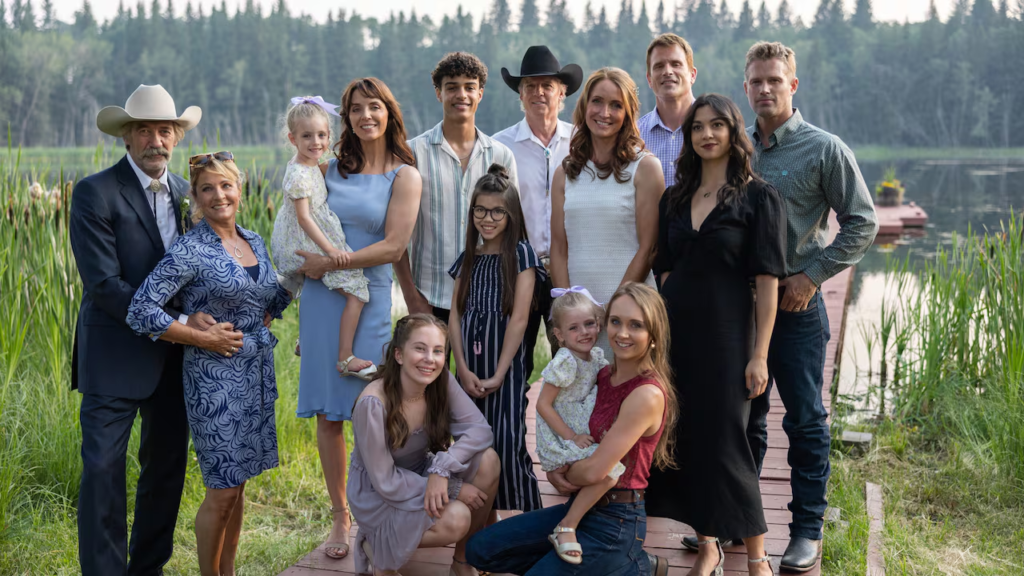
Conclusion: The Strength of the Circle The supporting cast of the series is the secret ingredient to its longevity. They provide the humor that softens the tragedy, the friction that sparks the drama, and the community that defines the home. They remind us that a “Storyline” is only as strong as the people who surround it. As we look forward to the future of the ranch, we do so knowing that the halls of the house and the streets of Hudson will always be filled with the faces we’ve grown to love.
From the rodeo ring to the mayor’s office, these characters are the heartbeat of a community that has become our own. They are the friends we wish we had and the family we are proud to belong to.