
 Televison New
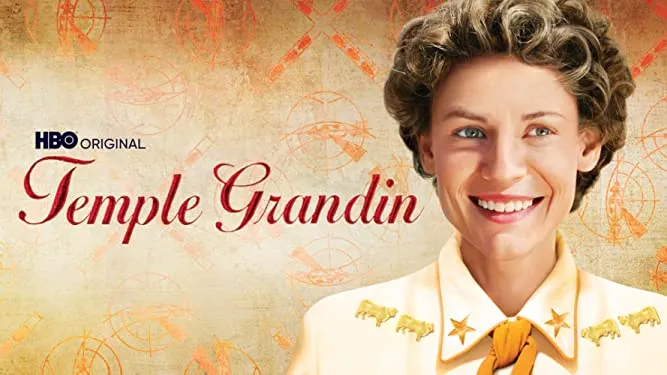
Introduction: The Door to a Different World In the history of biographical cinema, few films have managed to step inside the mind of their subject as effectively as the 2010 HBO original, Temple Grandin. Starring Claire Danes in a transformative performance, the film tells the extraordinary true story of a young woman with autism who overcame the prejudices of her time to become one of the world’s leading experts in animal science. But Temple Grandin is more than just a “success story.” It is a visual and emotional odyssey that challenges our definition of “normal” and celebrates the unique brilliance that comes with seeing the world in pictures. At Storyline Movies, we believe this film is a essential viewing for anyone who believes that a different perspective is not a disability, but a superpower.
The Visionary Direction: Thinking in Pictures The genius of Temple Grandin lies in the direction of Mick Jackson. How do you portray the inner workings of an autistic mind on screen? Jackson avoids the clichés of slow-motion or hazy filters. Instead, he uses rapid-fire editing and technical overlays to simulate Temple’s “visual thinking.” When Temple hears a word, she sees a blueprint, a photograph, or a mechanical diagram. This stylistic choice allows the audience to experience her world—a world of intense sensory detail and geometric precision. For the “Storyline Movies” community, this isn’t just a technical gimmick; it’s a profound act of empathy that bridges the gap between the neurotypical and the neurodivergent.
Claire Danes: A Performance of Pure Authenticity Claire Danes’ portrayal of Temple Grandin is nothing short of legendary. She spent months studying Temple’s speech patterns, her gait, and her unique social cues. The result is a performance that is neither a caricature nor a sentimentalized version of autism. Danes captures Temple’s relentless drive, her blunt honesty, and her overwhelming sensory struggles with heartbreaking accuracy. Whether she is building her “squeeze machine” to calm her anxiety or standing up to the misogynistic ranchers of the 1960s, Danes ensures that Temple is the hero of her own story. It is a performance that rightly earned her both an Emmy and a Golden Globe.
The Storyline: Navigating the “Man’s World” of Cattle Ranching The narrative arc of the film focuses on Temple’s college years and her early career in the cattle industry. In the mid-20th century, the ranching world was a bastion of traditional masculinity, and Temple faced double discrimination: for being a woman and for being “different.” The film brilliantly depicts her struggle to implement humane handling practices. Temple’s breakthrough came from her ability to literally see what the cattle were seeing—identifying the small shadows or hanging chains that frightened them. Her “genius” was her empathy for animals, rooted in her own experiences of feeling misunderstood by the human world.
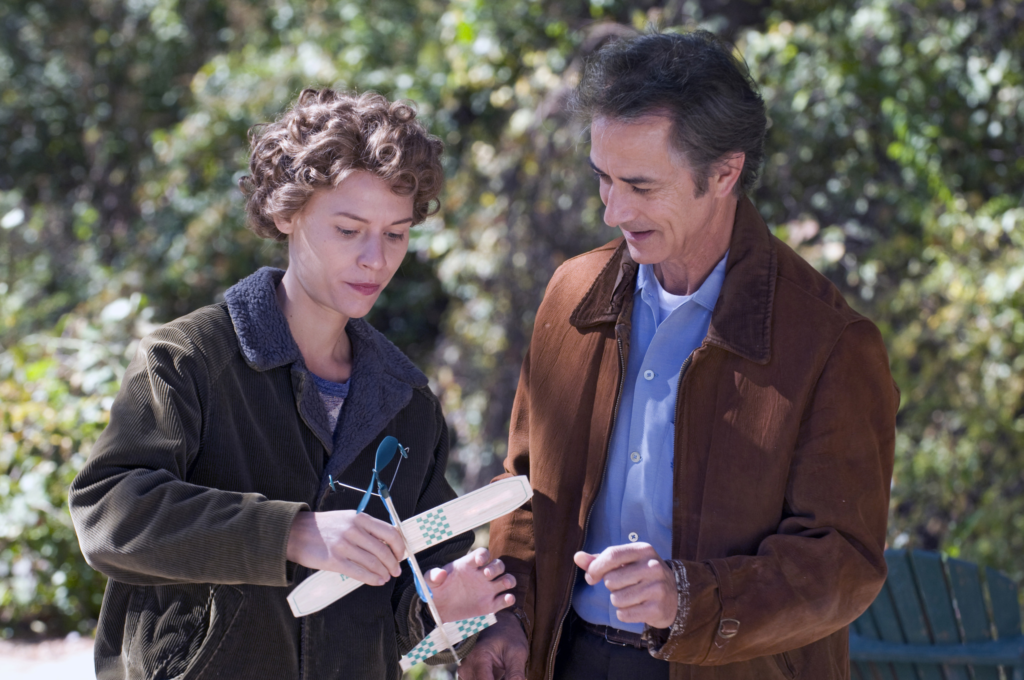
The Role of the Support System: Eustacia Grandin and Dr. Carlock While Temple is the star, the film highlights the critical importance of a support system. Julia Ormond delivers a nuanced performance as Eustacia, Temple’s mother, who refused to let her daughter be institutionalized at a time when doctors blamed “refrigerator mothers” for autism. Similarly, David Strathairn shines as Dr. Carlock, the high school teacher who recognized Temple’s visual intellect and pushed her to pursue science. Their storylines remind us that even the most brilliant minds need a “door” to be opened for them by someone who believes in their potential.
The “Squeeze Machine”: A Lesson in Sensory Needs One of the most iconic elements of the film is Temple’s creation of the “squeeze machine” (hugging machine). To the outside world, it looked like a bizarre contraption; to Temple, it was a necessary tool for survival—a way to manage the overwhelming sensory input of the world. The film handles this with immense dignity, using it as a metaphor for the accommodations that all people need to thrive. It challenges the audience to ask: Why do we force people to conform to our standards of comfort instead of letting them find their own?
Impact on Animal Welfare and Modern Science Temple Grandin isn’t just about personal growth; it’s about a global shift in ethics. Because of Temple’s designs, over half of the cattle in North America are handled in systems that prioritize their well-being. The film makes the technical aspects of her work—the curved chutes and the lighting—fascinating by showing us the logic behind them. It turns a niche scientific field into a compelling “Storyline” of innovation and compassion.
The Visual Aesthetic: The Beauty of the Mundane The cinematography of the film celebrates the beauty of mechanics and nature. From the intricate sketches on Temple’s chalkboard to the sweeping vistas of the Arizona ranch, the film is a feast for the eyes. It mimics Temple’s obsession with detail, making the viewer pay attention to things they might otherwise overlook. This attention to detail is what makes Temple Grandin a “Noir” of the mind—searching for truth in the patterns and shadows of the everyday.
Conclusion: Closing the Door, Opening the Mind The film ends with a powerful scene at an autism convention, where Temple realizes that her voice is the most powerful tool she has. Temple Grandin (2010) is a triumph of biographical filmmaking. it doesn’t ask for pity; it demands respect. At Storyline Movies, we salute this film for its courage to be different. It teaches us that “nature is cruel, but we don’t have to be,” and that the most remarkable doors are the ones we build ourselves.
Whether you are interested in science, social justice, or simply a beautifully told human story, ‘Temple Grandin’ is a film that will stay with you long after the final credits roll. It is a reminder that different is not less—different is just different.