

Televison New
- Newsbeat , Newness
- Tháng 4 20, 2026
- 405 views
Ten Years Later: How “Fifty Shades of Black” Laughed All the Way to the Bank Despite the Hate
Introduction: The Power of Parody In the world of cinema, critical acclaim and commercial success don’t always walk hand in hand. Sometimes, they aren’t even in the same zip code. This week marks the 10th anniversary of the release of Fifty Shades of Black, the $5 million parody of the global phenomenon Fifty Shades of Grey. When it first hit theaters, critics were armed with their sharpest pens, ready to tear it apart. Yet, a decade later, the numbers tell a story that defies the reviews. With a modest budget and a mountain of negative press, the film managed to rake in $22.2 million worldwide. It raises a fascinating question for movie buffs and industry insiders alike: How did this “heavily criticized” parody manage to find such a profitable audience?
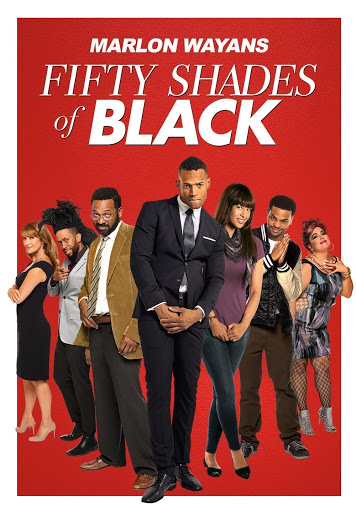
The Marlon Wayans Factor You cannot discuss Fifty Shades of Black without discussing the driving force behind it: Marlon Wayans. By 2016, Wayans had already established himself as a king of the modern parody genre, following the footsteps of his family’s legacy with Scary Movie and A Haunted House. Wayans possesses a specific type of comedic energy—physical, relentless, and unafraid to be “low-brow.” For his loyal fan base, a Wayans parody is a safe bet for a fun night out, regardless of what Rotten Tomatoes has to say. His portrayal of Christian Black (the parody of Christian Grey) leaned heavily into the absurdity of the original source material, turning brooding intensity into slapstick gold.
Satirizing a Phenomenon The primary reason for the film’s financial success was the sheer cultural weight of Fifty Shades of Grey. The original film and book series were polarising; people either loved the “mommy porn” romance or found it laughably serious. This created the perfect vacuum for a parody. Fifty Shades of Black didn’t need to be a masterpiece of cinema; it just needed to point out the inherent silliness of the original “Grey” storyline. By lampooning the “Red Room of Pain,” the overly dramatic dialogue, and the billionaire tropes, the film gave audiences a chance to laugh at a phenomenon that many felt had taken itself far too seriously.

The Economics of “Low Budget, High Return” From a business perspective, Fifty Shades of Black is a masterclass in risk management. At a production cost of just $5 million, the break-even point was remarkably low. In an era where Hollywood blockbusters need to earn $500 million just to stop losing money, the “Wayans Model” is refreshingly sustainable. The $22.2 million box office haul might look small next to a Marvel movie, but for a $5 million investment, it represents a massive return on investment (ROI). This financial cushion allowed the creators to ignore the critics entirely. They weren’t making a movie for the Oscars; they were making a product for a specific market, and that market responded with their wallets.
Why the Critics Hated It (And Why Fans Didn’t Care) Critics largely panned the film for its “lazy writing” and “crude humor.” To the elite film reviewer, Fifty Shades of Black felt like a relic of a bygone era of parody. However, there is a significant disconnect between “critical quality” and “entertainment value.” Many viewers go to the movies specifically for crude, mindless humor—a way to escape the stresses of reality for 90 minutes. The film’s success proved that there is always an appetite for raunchy comedy, especially when it targets a “prestige” property that is perceived as pretentious. The “Hate-Watch” culture also played a role; some went to see how “bad” it actually was, only to find themselves laughing despite their best efforts.
The Noir and Niche of Parody While we often categorize this as a simple comedy, there is an element of “Urban Parody” that Marlon Wayans has perfected. He takes mainstream, often white-centric stories and reinterprets them through a lens of African-American comedy tropes. This creates a niche but incredibly loyal audience. By subverting the “Billionaire Romance” genre—which is often criticized for its lack of diversity—Wayans added a layer of cultural satire that resonated with viewers who felt excluded from the original Fifty Shades hype.
A Decade of Retrospect: Does It Hold Up? Ten years later, re-watching Fifty Shades of Black is like opening a time capsule of 2016 pop culture. Some jokes have aged better than others, and the slapstick remains as divisive as ever. However, the film’s legacy isn’t in its script; it’s in its resilience. It stands as a testament to the idea that a movie can be “bad” by artistic standards but “great” by commercial and entertainment standards. It paved the way for more low-budget satires to take risks, knowing that there is always a crowd ready to laugh at the ridiculous.
The “Storyline Movies” Perspective At Storyline Movies, we find the most interesting narratives aren’t always on the screen—sometimes they are in the box office reports. The storyline of Fifty Shades of Black is one of defiance. It defied the critics, it defied the odds, and it turned a tiny budget into a significant profit. It reminds us that cinema is a broad church; there is room for the high-brow noir of Mr. Inbetween and the low-brow chaos of Marlon Wayans.
Conclusion: The Last Laugh As we celebrate a decade since Christian Black first appeared on our screens, we have to give credit where it’s due. Making a profitable movie is hard. Making one that pays for itself four times over while being “heavily criticized” is even harder. Fifty Shades of Black may not be a cinematic masterpiece, but it is a commercial triumph that understood exactly what its audience wanted: a chance to laugh at the “Grey” world we were all living in. Marlon Wayans got the last laugh, and he did it with $22.2 million in his pocket.
- Newsbeat , Newness
- Tháng 4 18, 2026
- 1085 views
Mr. Inbetween: It’s Time to Appreciate the Genius of This Very Australian Noir
Introduction: The Anti-Hero We Didn’t Know We Needed In the saturated landscape of prestige television, where anti-heroes like Tony Soprano and Walter White have long reigned supreme, a quiet, unassuming hitman from the suburbs of Sydney managed to carve out a niche that is arguably more profound, more grounded, and infinitely more “Australian.” That man is Ray Shoesmith, the protagonist of Mr. Inbetween. Created by and starring Scott Ryan, and directed with surgical precision by Nash Edgerton, the series is a masterclass in “Australian Noir.” It is time to stop overlooking this masterpiece and appreciate the sheer genius behind its storytelling, its character depth, and its brutal, uncompromising honesty.
The Genesis of Ray Shoesmith The genius of Mr. Inbetween begins with its history. The character of Ray Shoesmith first appeared in the 2005 cult film The Magician, a mockumentary also created by Scott Ryan. It took over a decade for Ryan to bring Ray back to the screen, and that passage of time is evident in the character’s soul. Ray is not a flashy, Hollywood-style assassin. He doesn’t drive luxury cars or use high-tech gadgets. He is a working-class father, a brother, a boyfriend, and a friend who just happens to kill people for a living. This duality is the engine that drives the show’s brilliance.
The Masterclass of “The Mute” and the Mundane What sets Mr. Inbetween apart from other crime dramas is its obsession with the mundane. The show spends as much time—if not more—on Ray’s conversations about dim sims, the etiquette of borrowing money, and the frustrations of parenthood as it does on his “work.” This is the core of Australian Noir: the juxtaposition of extreme violence with the banality of suburban life. One moment, Ray is having a philosophical debate with his best friend Gary about the ethics of “The Tooth Fairy,” and the next, he is buried in the woods, dealing with a body. This tonal shift is handled so effortlessly that it feels natural, reflecting the chilling reality that violence is often just another day at the office for those involved.
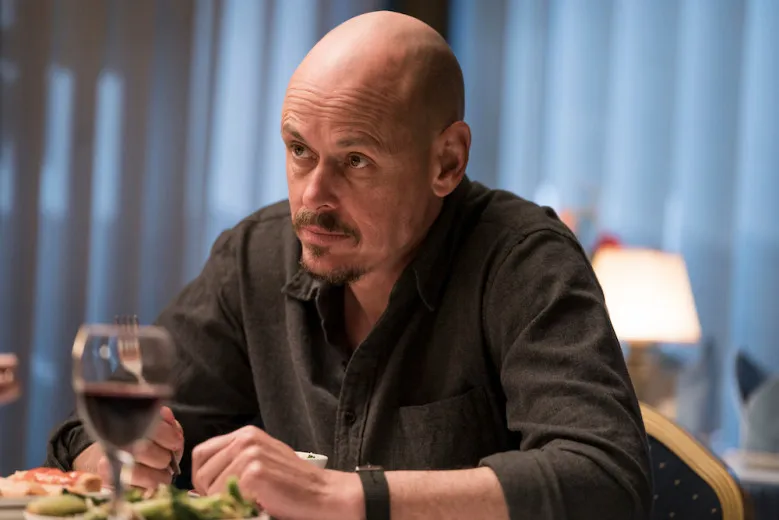
A Directing Masterpiece by Nash Edgerton Directing every single episode, Nash Edgerton brought a visual consistency that is rare in television. The cinematography is stripped back, raw, and visceral. Edgerton understands that in Noir, what you don’t see is often more terrifying than what you do. The camera often lingers on Ray’s face—a face that can shift from a warm, fatherly smile to a cold, predatory stare in a fraction of a second. The pacing is deliberate, allowing the tension to simmer until it inevitably boils over into short, sharp bursts of violence that feel earned and terrifyingly real.
The Complexity of Morality: The Ray Shoesmith Code Ray Shoesmith is a man of a very specific, albeit twisted, moral code. He isn’t a psychopath; he has deep empathy for his daughter, Brittany, and his brother, Nick, who suffers from Motor Neurone Disease. The scenes between Ray and Nick are some of the most heartbreaking in modern television, showing a side of Ray that is tender, patient, and deeply grieving.
However, Ray has zero tolerance for “bad manners” or “bullies.” His violence is often triggered by a sense of justice—however skewed it may be. Whether he’s teaching a lesson to two punks who harassed his daughter or dealing with a pedophile, Ray acts as a dark vigilante. This creates a fascinating dilemma for the audience: we find ourselves rooting for a man who commits horrific acts because he often targets those we feel deserve it. This “Grey Morality” is the hallmark of a great Noir story.
The Supporting Cast: Building a Real World The world of Mr. Inbetween feels lived-in because of its supporting cast. Gary, played by Justin Rosniak, provides the perfect foil to Ray—a loyal, somewhat bumbling best friend who represents the “normal” life Ray tries to keep a foot in. Their chemistry is the heart of the show’s humor. Then there is Freddy (played by the legendary Damon Herriman), Ray’s boss, who embodies the cold, transactional nature of the criminal underworld. Every character, no matter how small their screen time, feels like a real person with a history, which elevates the stakes of every confrontation.
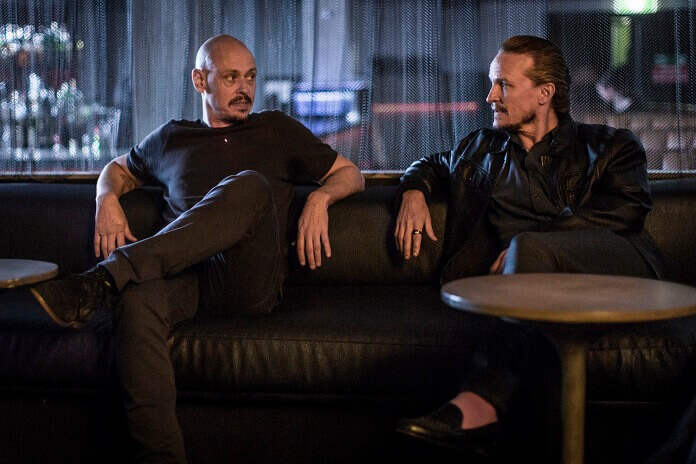
The “Very Australian” Identity You cannot separate the genius of this show from its Australian roots. The slang, the dry humor (often referred to as “taking the piss”), and the rugged suburban landscape of New South Wales are essential characters in their own right. It captures a specific brand of Australian masculinity—stoic, laconic, but hiding a reservoir of repressed emotion. It avoids the “Outback” clichés of Crocodile Dundee and instead focuses on the gritty reality of the urban fringe. For an international audience, especially in the US, this is a breath of fresh air—a crime story that feels alien yet strangely familiar.
The Final Season and the Legacy of the “Smile” As the series progressed toward its finale, the weight of Ray’s double life began to crush him. The final season is a somber meditation on the consequences of violence. We see the toll it takes on Ray’s relationships and his psyche. The ending of the series is one of the most talked-about finales in recent years. Without giving too much away, it perfectly encapsulates the essence of Ray Shoesmith: a man who is always prepared, always dangerous, and forever “in between” the light and the dark.
Why It Deserves More Appreciation Despite critical acclaim, Mr. Inbetween remains a “hidden gem” for many. In the age of algorithmic content, shows this bold and original often get lost. However, for those who have seen it, the consensus is clear: it is one of the greatest character studies ever produced. Scott Ryan’s performance is nothing short of legendary—he didn’t just play Ray Shoesmith; he became him.
Conclusion: A Storyline for the Ages At Storyline Movies, we believe that the best stories are the ones that challenge our perceptions of good and evil. Mr. Inbetween does exactly that. It is a brilliant, brutal, and beautiful piece of Australian Noir that demands your attention. It proves that you don’t need a massive budget or a superhero to create a compelling narrative; you just need a deep understanding of human nature, a sharp script, and a character as unforgettable as Ray Shoesmith. If you haven’t watched it yet, you are missing out on one of the greatest “storylines” in the history of television.
- Newsbeat , Newness
- Tháng 4 18, 2026
- 142 views
Every ‘Ted Lasso’ Character Ranked: From the Heart of Richmond to the Toxicity of Jamie’s Dad
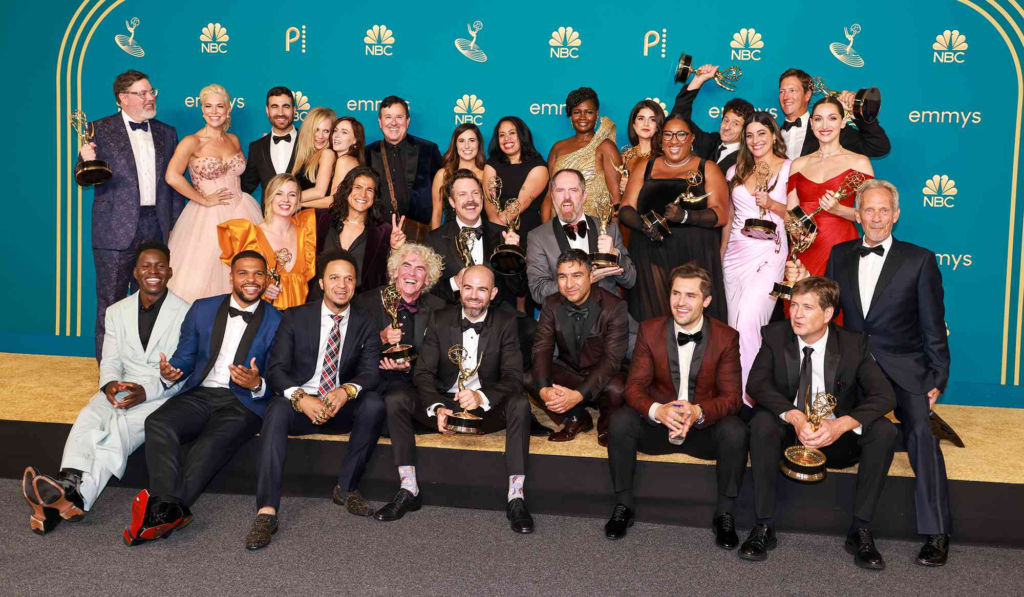
Introduction: The Magic of Richmond When Ted Lasso first premiered, few expected a show about a Division II American football coach taking over an English Premier League team to become a global phenomenon. Yet, it succeeded because it wasn’t just about football; it was about the complex, messy, and beautiful humans who inhabit Nelson Road Stadium. From the relentless optimism of Ted to the foul-mouthed wisdom of Roy Kent, every character brought a unique flavor to the story. However, as in any great drama, for every saint, there is a sinner. In this definitive ranking, we look at the characters of Ted Lasso, grading them on their growth, heart, and impact—ending at the absolute bottom with the most toxic figure in the series: James Tartt.
The Gold Standard: Roy Kent At the top of the list stands Roy Kent. Roy is the quintessential “tough guy with a heart of gold.” When we first meet him, he is a fading star, angry at the world and his own aging body. But through his relationship with Keeley and his reluctant mentorship of the younger players, Roy becomes the soul of Richmond. His transformation is subtle yet profound. He learns that vulnerability isn’t weakness. Whether he is coaching his niece’s primary school team or giving Jamie Tartt a much-needed hug, Roy Kent represents the peak of character development. He is the man every viewer wishes they had in their corner.
The Heartbeat: Ted Lasso It would be impossible to rank anyone other than Ted near the top. Ted is the catalyst for change. His “Lasso Way”—characterized by radical kindness and the famous “Believe” sign—transforms a toxic locker room into a brotherhood. However, Ted is more than just a caricature of positivity. The show brilliantly explores his internal struggles, including his panic attacks and the pain of his divorce. Ted’s greatness lies in the fact that he chooses to be kind despite his own suffering. He isn’t perfect, but his intent is always pure, making him the moral compass of the series.
The Evolution of a Queen: Rebecca Welton Rebecca’s arc is perhaps the most satisfying in modern television. Starting as a “villain” seeking to destroy her ex-husband’s beloved club, she evolves into a powerful, empathetic leader. Her friendship with Keeley Jones is a highlight, showing the power of female solidarity. Rebecca learns to let go of the bitterness that defined her and finds true happiness in her own strength. By the final season, she isn’t just the owner of the club; she is its protector, standing tall against the elite “Super League” and choosing her Richmond family over corporate greed.
The Redemption Arc: Jamie Tartt Jamie Tartt’s journey is a masterclass in writing. He begins as a narcissistic, preening “poopeh” who cares only about his own stats. But as the layers are peeled back, we see a young man desperate for the approval he never got from his father. Under Ted’s guidance and Roy’s grueling training, Jamie transforms into a selfless playmaker. The moment he passes the ball instead of taking the shot is the ultimate symbol of his growth. Jamie becomes a hero not by being the best player on the pitch, but by being the best teammate.
The Complexity of Insecurity: Nathan Shelley Nate “The Great” represents the dark side of the Lasso effect. His descent from a shy kit man to a “Wonder Kid” and eventually to a betrayal-filled manager at West Ham is heartbreaking. Nate’s story is a cautionary tale about what happens when low self-esteem is met with a sudden burst of power without the emotional maturity to handle it. While his betrayal of Ted felt like a knife to the heart for fans, his eventual path to atonement and his return to Richmond as a “service human” added a layer of realism to the show. It reminds us that forgiveness is a process, not a destination.
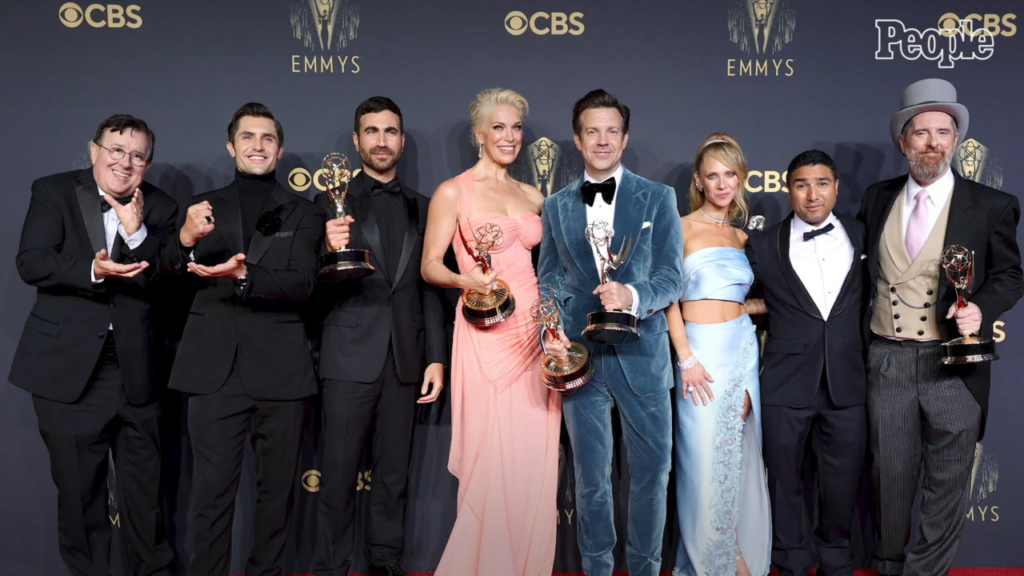
The Supporting Pillars: Higgins, Keeley, and Sam Leslie Higgins is the unsung hero of the office—the man who found his spine and became the glue holding the staff together. Keeley Jones brought the “sparkle,” proving that you can be ambitious, glamorous, and incredibly kind all at once. Then there is Sam Obisanya, who represents the integrity of the next generation. Sam’s decision to stand up against a corrupt sponsor and his dedication to his Nigerian roots made him a symbol of hope and courage.
The “Grey” Characters: Trent Crimm and Coach Beard Trent Crimm (formerly of The Independent) moved from a cynical journalist to an empathetic biographer, capturing the spirit of the team. Meanwhile, Coach Beard remained the mysterious, loyal, and eccentric right-hand man. Beard’s “Man City” episode gave us a glimpse into his chaotic inner world, but his loyalty to Ted remained his defining trait. These characters added depth and intellectual curiosity to the locker room dynamics.
Descending into the Shadows: Rupert Mannion As we move toward the bottom, we encounter Rupert Mannion. Rupert is the classic “Bond Villain” of the corporate world. He is charming, wealthy, and utterly devoid of a soul. His only goal is to win and to make Rebecca miserable. Rupert represents the old guard—the era of football driven by ego and infidelity. While he is a brilliant antagonist, his lack of any redeeming qualities makes him easy to hate. Yet, even Rupert isn’t at the absolute bottom of this list.
The Absolute Bottom: James Tartt (Jamie’s Dad) Finally, we reach the lowest point of the Ted Lasso universe: Jamie’s father. Why is he ranked lower than a “villain” like Rupert? Because Rupert’s sins were professional and marital, but James Tartt’s sins were parental. In a show that focuses heavily on “Dad issues,” James is the personification of why those issues exist.
James Tartt doesn’t just fail to support his son; he actively seeks to destroy Jamie’s spirit. He shows up only to bask in the reflected glory or to humiliate Jamie in front of his teammates when he doesn’t meet an impossible standard of “toughness.” The scene in the locker room where James mocks Jamie after a loss—leading to Roy Kent’s iconic hug—is one of the most painful moments in the series. James Tartt represents toxic masculinity in its purest, most destructive form. He is the anti-Ted. Where Ted builds people up, James tears them down. Where Ted offers unconditional support, James offers conditional cruelty.
Ranking James Tartt at the very bottom isn’t just a meme; it’s a recognition of the emotional damage he inflicted. He is the only character who truly refused to grow, refused to love, and refused to “Believe.” In the world of Richmond, he is the only true outsider because his heart remained closed until the very end.
Conclusion: The Legacy of Belief Ted Lasso taught us that people can change, that forgiveness is possible, and that being a “Goldfish” (forgetting the bad and moving forward) is a superpower. By ranking these characters, we see a spectrum of humanity. We strive to be like Roy and Ted, we hope to grow like Rebecca and Jamie, and we pray we never become like James Tartt. Because in the end, as Ted would say, “Success is not about the wins and losses. It’s about helping these young fellas be the best versions of themselves on and off the pitch.” And that is a storyline worth following.
- Newness , Newsbeat
- Tháng 4 14, 2026
- 645 views
Heartland Fans Are Shattering Into Pieces — And This Quiet Trailer Explains Why
HUDSON – For two decades, the Bartlett-Fleming ranch has been more than a filming location; it has been a steady, beating heart for millions of viewers worldwide. But as the gates prepare to close for the final time in Season 20, a new, quiet teaser has left the fandom in a state of emotional wreckage. It isn’t filled with loud drama or shocking reveals. Instead, it’s the silence that is breaking people. This “Quiet Trailer” explains exactly why saying goodbye to Heartland feels like losing a piece of ourselves.
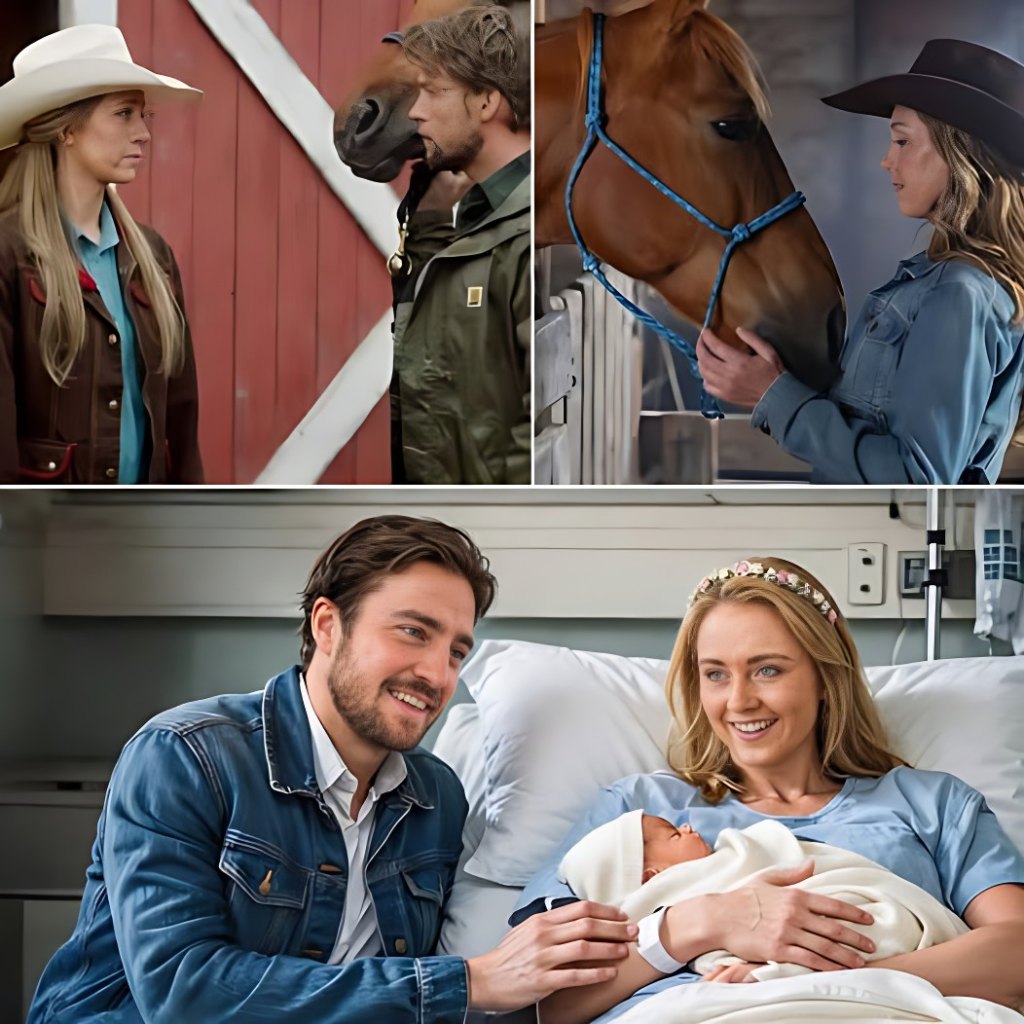
The Power of the “Quiet” Moment
In an era of high-octane trailers filled with explosions and fast cuts, the final Heartland teaser takes a revolutionary path: it embraces the quiet. The trailer features long, sweeping shots of empty stalls, the wind rustling through the grass of the north pasture, and the rhythmic sound of a single horse galloping in the distance.
For the American audience, who have turned to this show for peace and traditional values, these quiet images are more powerful than any dialogue. They represent the “empty nest” feeling that every longtime fan is currently experiencing. The silence reminds us that soon, there will be no new stories from Hudson—only memories.
Why It Hits Harder Than Expected
Why are fans “shattering into pieces”? Because Heartland was the only constant in a rapidly changing world.
- The Passage of Time: Seeing a silver-haired Jack Bartlett looking out over the land he fought so hard to protect reminds viewers of their own parents and grandparents.
- The Evolution of Amy: The trailer juxtaposes a shot of a young Amy Fleming first healing a horse with a shot of her teaching the same skills to Lyndy. It’s a “full circle” moment that signals the completion of a life’s work.
- The Lingering Shadow: Even without speaking his name, the presence of Ty Borden is felt in every empty corner of the frame. The trailer honors the past without living in it, which is the most heartbreaking kind of tribute.
“It’s Like Leaving Home” — Global Fan Reaction
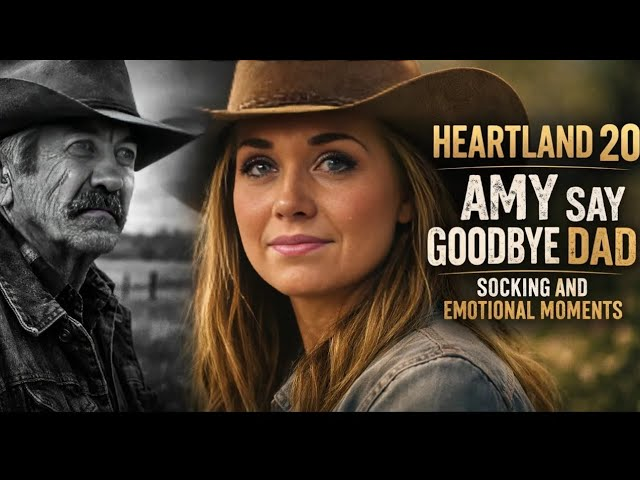
The reaction from the community has been raw and visceral. On social media, the sentiment is clear: this isn’t just a TV show ending; it’s a sanctuary closing.
- “I started watching this in middle school. I’m 30 now. This trailer didn’t just move me; it shattered me because I realized a part of my childhood is officially over,” one fan wrote.
- Others have noted that the “quietness” of the trailer feels like a funeral for a dear friend—respectful, beautiful, and devastatingly permanent.
The Finality of Season 20
The teaser hints at a finale that focuses on legacy rather than conflict. It suggests that the final goodbye won’t be a loud explosion of drama, but a soft, intentional sunset. This approach is what is causing the most “shattering” among fans—the realization that the show is letting us go as much as we are letting it go.
Conclusion: A Legacy Etched in the Soil
As we count down the days to the final episode, we realize that Heartland succeeded because it made us feel at home. This quiet trailer is a reminder that while the show is ending, the lessons of resilience, family, and healing are now part of our own stories. We might be in pieces right now, but as Amy Fleming taught us, even the most shattered things can find a way to heal
- Newsbeat , Newness
- Tháng 4 14, 2026
- 890 views
After 20 Seasons, Heartland’s Final Trailer Leaves Fans in Tears — ‘I’m Not Ready’
HUDSON – It is the video that the Heartland community hoped they would never have to watch. Following two decades of laughter, heartbreak, and healing at the Bartlett-Fleming ranch, the official final trailer for the series finale has been released. What was expected to be a simple goodbye has instead become one of the most emotional television moments in recent years. Within minutes of its debut, social media was flooded with a singular, heartbreaking sentiment: “I’m not ready for this to end.”
A Masterclass in Nostalgia
The trailer, a carefully crafted montage of the last twenty years, begins with a young, wide-eyed Amy Fleming first stepping into the barn. It quickly bridges the gap to the present day, showing a seasoned, resilient woman who has become the heart of the ranch. The brilliance of the trailer lies in its ability to remind viewers that they didn’t just watch a show; they grew up alongside these characters.

From Jack’s unwavering presence on the porch to the late Ty Borden’s lingering legacy, every frame of the trailer feels like a love letter to the fans. The use of soft, acoustic music—a staple of the show’s atmosphere—only deepens the emotional weight.
The Scene That Broke the Internet
While the trailer is filled with sweeping shots of the Alberta landscape, one specific moment has left fans completely devastated. It features Amy standing in the middle of a quiet pasture, looking toward the horizon, while a voiceover of Jack Bartlett says, “A ranch isn’t just land, Amy. It’s a memory of everyone who ever loved it.”
For the American audience, who have turned Heartland into a sanctuary of traditional values and family strength, this line feels like the ultimate closure. Fans have taken to X (formerly Twitter) and Facebook to share their reactions, with many admitting they were “sobbing within the first ten seconds.”
‘I’m Not Ready’: The Global Fan Reaction
The hashtag #ImNotReady has begun trending, as viewers grapple with the reality of life without their weekly visit to Hudson.
- “I’ve watched this show through my own marriage, my own losses, and my own kids growing up. Seeing this trailer feels like saying goodbye to a real family member,” one fan commented.
- Another shared, “Heartland was the only place where the world felt okay. How do we say goodbye to that?”
The trailer doesn’t just promise a finale; it promises a “legacy ending.” It hints that while the show is concluding, the spirit of the ranch will live on through the next generation, specifically through Amy’s
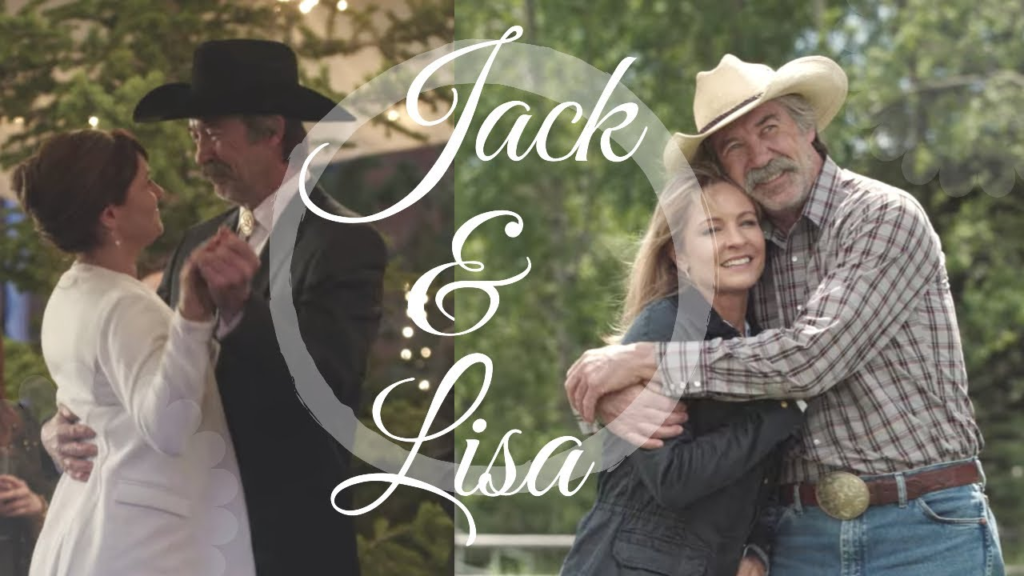
daughter, Lyndy.
What the Trailer Reveals About the Finale
Beyond the tears, eagle-eyed viewers have noted a few key details. The trailer suggests a “full circle” moment, with a major event planned at the ranch that brings back several familiar faces from the past. It emphasizes themes of passing the torch, suggesting that Amy’s journey as the “Miracle Girl” is reaching its natural, beautiful conclusion.
Conclusion: The End of an Era
As the final credits prepare to roll on Season 20, the trailer has served its purpose. It has united a global community in a shared moment of grief and gratitude. Heartland isn’t just a TV show—nearing its end, it has proven to be a cultural landmark. The ranch might be closing its gates on our screens, but as the trailer reminds us, the memories are etched in the heart forever.
- Newness , Newsbeat
- Tháng 4 14, 2026
- 373 views
“‘This Changes Everything’ — Heartland Fans Divided Over Ty Borden’s Shocking Return” Is it the reunion everyone dreamed of… or a twist that risks rewriting the past?
HUDSON – The Heartland fandom, known for its unwavering loyalty and shared emotional journey, has found itself at a crossroads. Following the shocking teaser that suggests Ty Borden (Graham Wardle) might be returning to the Bartlett-Fleming ranch, the community is no longer united in celebration. Instead, a deep divide has emerged. While thousands are hailing the moment as the “reunion of the century,” others are voicing a growing concern: Does this twist risk rewriting the past and undermining the most profound moments of the series?
The Pro-Reunion Camp: “The Heart Wants What It Wants”
For a large portion of the fan base, Ty’s return is the only way to truly conclude the Heartland saga. These viewers argue that the show lost its “soul” after Ty’s departure and that the “Miracle Girl” (Amy Fleming) deserves her happy ending. To them, any logic—whether it’s a faked death, a miraculous recovery, or a spiritual return—is secondary to the emotional catharsis of seeing the family whole again.
“Heartland is about family and miracles,” one fan shared on a popular forum. “If the show can heal broken horses, it can heal a broken heart. We need Ty back.”
The Skeptics: “Respect the Legacy”
On the other side of the fence, a significant number of longtime viewers are apprehensive. Their argument is rooted in the narrative integrity of the show. Since Ty’s tragic passing, fans have watched Amy navigate the raw, painful stages of grief, eventually finding a new sense of strength and independence.
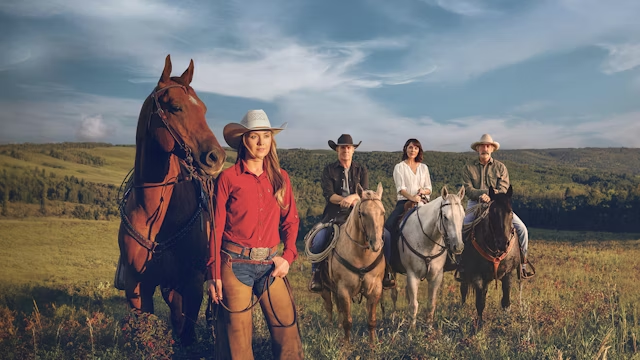
For this group, bringing Ty back now feels like “rewriting the past.” They fear that:
- It Cheapens the Grief: The powerful episodes exploring loss and resilience would lose their weight if the tragedy is simply “undone.”
- It Stunts Amy’s Growth: Amy has evolved from a partner into a solo leader. A return to the old status quo could feel like a step backward for her character development.
- The “Soap Opera” Risk: There is a fear that Heartland might be leaning too far into dramatic tropes, losing the “grounded and real” feel that made it a staple of American households for twenty years.
A Twist That Rewrites Everything
The core of the debate lies in how the writers handle this “return.” If it is revealed to be a dream or a vision, it serves as a tool for closure. But if it is a literal, physical return, it fundamentally changes every decision made by the characters over the last few seasons.
Industry analysts suggest that the showrunners are walking a tightrope. They must satisfy the nostalgic cravings of the audience without alienating those who have invested in the “new” Heartland. This division isn’t just about one character; it’s about what Heartland represents in 2026—is it a show about the permanence of family, or the reality of moving on?
Conclusion: A Divided House at the Ranch
As production on the final season continues, the debate shows no signs of slowing down. Whether you are Team “Miracle” or Team “Legacy,” one thing is certain: Ty Borden’s presence—real or imagined—has proven that he is still the most influential character in Hudson. Heartland fans are divided, but they have never been more engaged.
- Newsbeat , Newness
- Tháng 4 14, 2026
- 1344 views
Is This a Miracle… or a Trap?” The Heartbreaking Mystery Behind Ty Borden’s Possible “Return” to Heartland
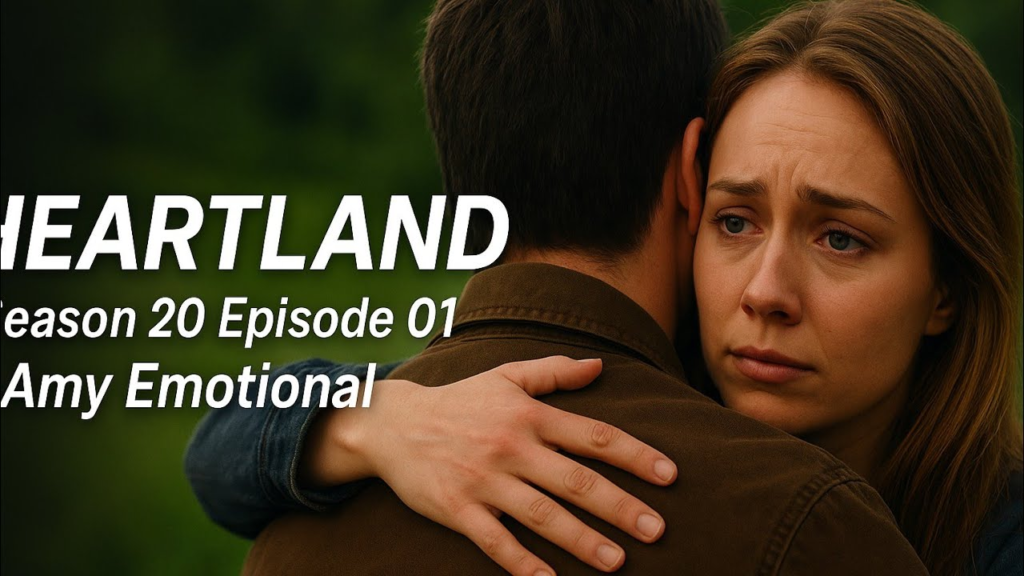
HUDSON – It is the moment every Heartland fan has dreamed of, yet feared to even whisper. A familiar silhouette appearing at the ranch gates. A pair of eyes that carry a decade of shared history. In a leaked teaser that has set the internet ablaze, Amy Fleming is seen bursting into tears as Ty Borden seemingly walks back into her life. But while some are calling it a “miracle,” a darker theory is beginning to take root among the fan base. Is this a long-awaited reunion, or is the series preparing to deliver its most devastating psychological trap yet?
The “Ghost” in the Hudson Fog
For years, the void left by Ty Borden (Graham Wardle) has been the emotional core of the series. His death wasn’t just a plot point; it was a wound that never truly healed for the Bartlett-Fleming family. The sight of Amy collapsed in tears, reaching out to a man we all thought was gone, has triggered a wave of “Dark Heartland” theories.
Many veteran viewers suspect that this isn’t a physical return. Instead, they fear it’s a manifestation of Amy’s deepening psychological struggle—a “trap” created by grief that could lead the “Miracle Girl” down a dangerous path of isolation.
Miracle or Manipulation?
If Ty is indeed “back,” the implications are staggering.
- The Dream Sequence: Many believe this is a high-stakes dream sequence designed to force Amy to finally choose between her past and a future with someone new.
- The “Twin” Theory: A smaller, more radical group of fans suggests a “secret history” subplot involving a long-lost relative—a classic trope that would feel like a “trap” for Amy’s heart.
- The Supernatural Element: Given the show’s deep connection to nature and intuition, could this be a spiritual visitation meant to warn Amy of a coming danger to the ranch?
Why Fans Suspect “Something Darker”
The reason for the skepticism among the American audience is the tone of the scene. Amy’s reaction isn’t just one of joy; it’s one of sheer, overwhelming shock. Longtime viewers have noted that the lighting and music in the sequence feel “off”—lacking the warm, golden glow typically associated with Heartland’s happy moments.
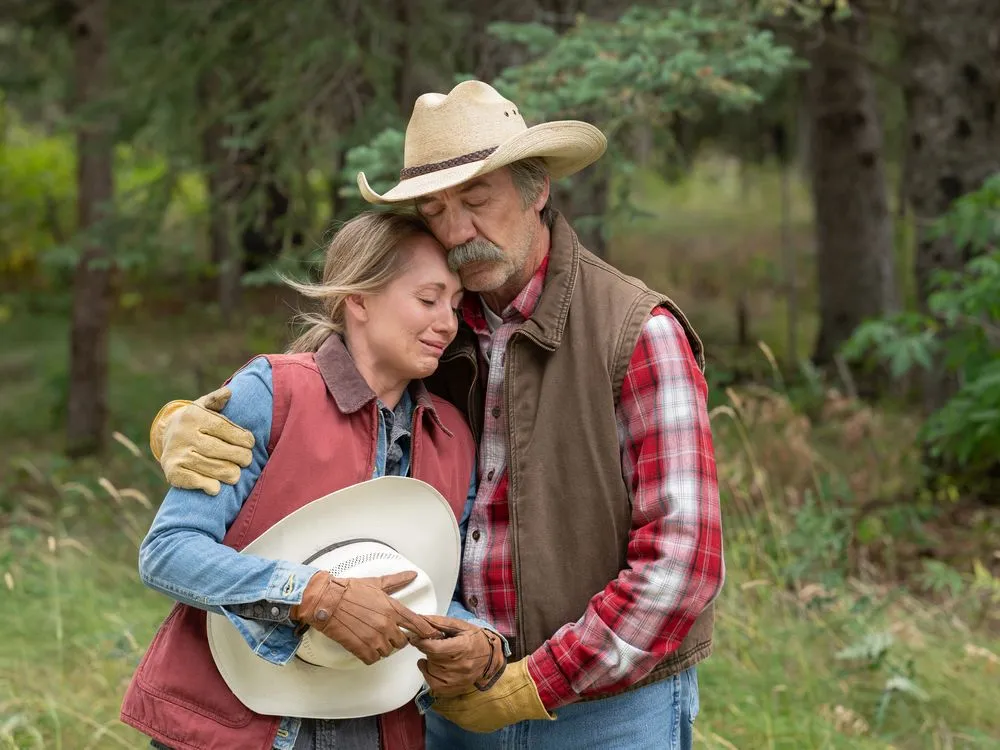
“If Ty comes back only to be taken away again, or if he’s not who he seems, it will fracture the fan base forever,” one prominent fan theorist noted. The fear is that the writers are using our nostalgia as a “trap” to deliver a final, crushing blow to the Bartlett legacy.
The Stakes for Season 20
As Season 20 approaches, the “Return of Ty” remains the biggest wildcard in the show’s history. Whether it’s a miracle, a flashback, or a heartbreaking illusion, it forces Amy to confront the one thing she has avoided for years: the reality of a world where Ty Borden is no longer the anchor.
Is she being led back to happiness, or is she being lured into a psychological trap that will rewrite everything we thought we knew about Heartland? One thing is certain—we will all be watching with bated breath and tissues in hand.
- Newness , Newsbeat
- Tháng 4 14, 2026
- 1354 views
Beyond Ty Borden: How Graham Wardle’s New Path is Creating a Deeper Connection with Heartland Fans
HUDSON – For over a decade, the world knew him as Ty Borden—the troubled soul who found redemption and love under the vast Alberta skies. When Graham Wardle chose to leave Heartland, it felt like the end of an era. But in the years since his departure, something remarkable has happened. Wardle hasn’t just moved on to a new role; he has stepped into a life that feels even more meaningful to his followers. By sharing his journey in a way that is soft, personal, and deeply real, he has managed to connect with fans on a level that goes far beyond the television screen.
Stepping Into the Light of Authenticity

Leaving a hit series after fourteen seasons is a risk for any actor, but for Graham Wardle, it was a necessary step toward authenticity. While fans initially grieved the loss of Ty, they have slowly discovered a new side of the man who portrayed him. Through his podcast, Time Has Come, and his personal reflections, Wardle has opened a window into his spiritual and personal growth.
This isn’t a polished Hollywood PR campaign. It’s a raw, honest exploration of what it means to seek purpose. For fans who grew up watching Ty Borden, seeing Graham navigate his real-life “healing journey” feels like a natural and beautiful extension of the values Heartland always championed.
A Connection Rooted in “Realness”
What makes this new chapter so impactful for the American audience is Wardle’s vulnerability. In a digital age dominated by filters and staged photos, his approach is refreshingly grounded. He doesn’t just share successes; he shares moments of hesitation, meditation, and deep thought.
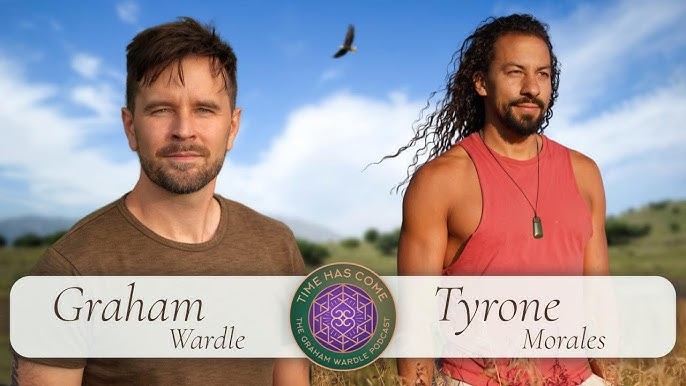
Longtime viewers are finding that they aren’t just fans of a character anymore—they are supporters of a human being. The way he speaks about the “Time Has Come” to change, to grow, and to embrace the unknown has resonated with a generation of viewers who are also navigating their own life transitions. He has become a voice of calm and introspection in a noisy world.
The Legacy of Ty Borden Meets the Vision of Graham Wardle
There is a poetic symmetry in Wardle’s new path. Just as Ty Borden was a healer of horses, Graham has become a healer of sorts for his community of listeners, offering insights into mindfulness and mental well-being. By stepping away from the “fame” of a leading man, he has gained a more profound “influence” as a mentor and fellow traveler on the path of life.
For the Heartland family, Graham’s evolution is a source of pride. He remains connected to his former castmates, but he is no longer defined solely by his past in Hudson. He has reshaped the “celebrity-fan” dynamic into something that feels more like a shared conversation between friends.
Conclusion: A Different Kind of Magic
Graham Wardle’s return to the spotlight isn’t about a new movie or a TV comeback—it’s about a return to himself. And for the fans who have followed him for years, this version of Graham is even more inspiring than the character they first fell in love with. He is proof that while characters may die, the connection built through sincerity and heart is truly eternal.
- Newness , Newsbeat
- Tháng 4 14, 2026
- 830 views
Why Amy and Ty’s Wedding Remains the Most Heartbreakingly Beautiful Moment in Television History
HUDSON – In the world of television, weddings are often synonymous with grand spectacles, high-fashion gowns, and forced cliffhangers. But Heartland has always played by a different set of rules. When Amy Fleming and Ty Borden finally said “I do,” there were no private jets or five-star ballrooms. Instead, there was a barn, a few strands of lights, and a love so sincere it felt like it belonged to the viewers as much as the characters. Years later, as we navigate a new era at the ranch, that simple ceremony remains etched in the hearts of millions—and for many, the tears have never truly dried.
The Beauty of Simplicity
What made the Fleming-Borden wedding so iconic wasn’t what it had, but what it didn’t need. It didn’t need extravagance because the foundation of their relationship was built on the quiet moments: the late-night barn checks, the shared struggle of healing broken horses, and the slow, steady growth of two souls finding their way home.
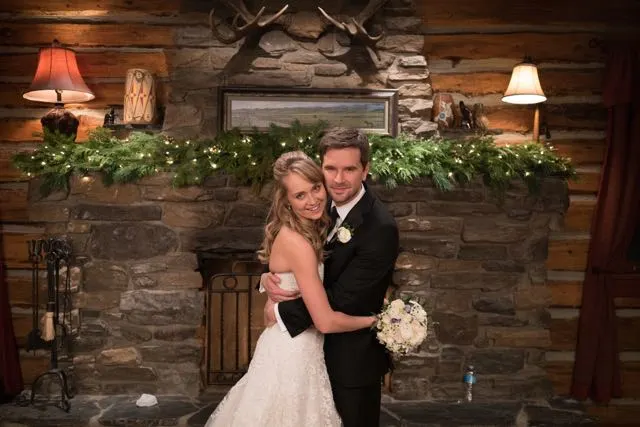
The ceremony reflected the soul of the ranch. Amy, walking toward the man who had grown from a troubled runaway into a pillar of the family, represented the ultimate “full circle” moment. For the fans, this wasn’t just a plot point; it was a reward for years of emotional investment.
A Legacy Beyond the Veil
Why does this specific scene continue to pull fans back, even after twenty seasons? Because it represents a “steady” love that feels increasingly rare in modern storytelling. In an age of “situationships” and fleeting drama, Amy and Ty’s wedding was an anchor of sincerity.
Every time a longtime viewer re-watches that walk down the aisle, they aren’t just watching a wedding; they are revisiting a promise. It’s a moment that frozen in time—a snapshot of pure happiness before the tragic loss that would eventually reshape Amy’s story forever. The simplicity of the event makes the later tragedy feel even more profound, turning a joyful memory into a bittersweet sanctuary for the fan base.
The “Tear-Jerker” Factor: Why We Still Cry
The tears shed during that episode weren’t just for the characters; they were for the values they stood for.
- The Sincerity: When Ty looked at Amy, you didn’t see an actor reading lines; you saw a decade of character development culminating in a single gaze.
- The Family: Seeing Jack, Lou, and Tim come together to celebrate a bond that had survived every storm the ranch had faced was a testament to the “Heartland Way.”
- The Horse Connection: Including their equine companions in the celebration reminded us that at Heartland, healing and love are interconnected.
Reshaping the Final Chapter
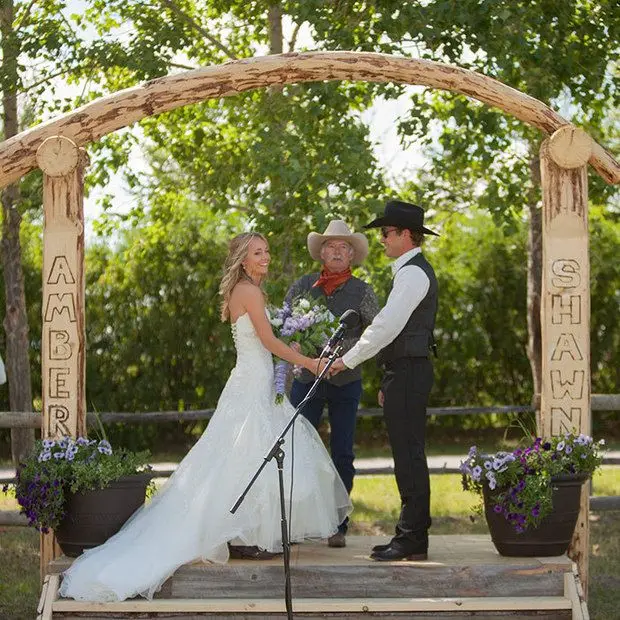
As Heartland enters its milestone 20th season, the memory of that wedding serves as a benchmark. Every new relationship Amy explores is inevitably compared to that “simple and sincere” moment in the barn. It raises a haunting question for the finale: Can Amy ever find a peace that matches the one she held in her hands that day?
For the fans, the answer lies in the re-watch. We go back to that moment not because we are stuck in the past, but because that wedding is a reminder of what Heartland truly means: that the most moving things in life aren’t found in extravagance, but in the quiet, sincere promises kept in a barn in Hudson.
- Newsbeat , Newness
- Tháng 4 14, 2026
- 702 views
The Heartland Shift: Why Longtime Viewers Feel the Magic Changing in the New Chapter
HUDSON – For nearly two decades, Heartland has been more than just a television show; it has been a sanctuary. In a world of fast-paced, cynical entertainment, the rolling hills of Alberta offered something increasingly rare: steadiness. It was a place where love didn’t just happen—it grew slowly, nurtured by the soil and the seasons. At the heart of it all were Amy Fleming and Ty Borden, a couple whose journey gave millions of fans something real to believe in. But as Season 20 approaches, a collective whisper is growing among the fan base: Something feels different.
The “Steady” Legacy of the Bartlett-Fleming Ranch
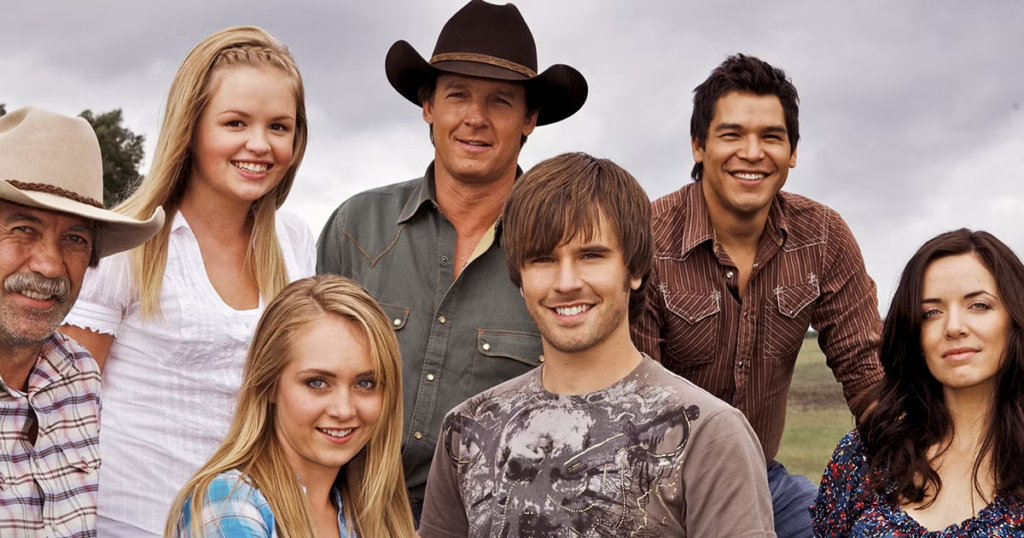
The core appeal of Heartland has always been its reliability. Viewers knew that no matter how chaotic the real world became, they could tune in to see Jack’s wisdom, Lou’s ambition, and the quiet, healing magic of the “Miracle Girl.” The relationship between Amy and Ty was the ultimate anchor—a bond built on shared struggles, professional respect, and an undeniable connection to the land. For years, this steadiness was the show’s greatest strength.
The Post-Ty Era: A New Emotional Landscape
The departure of Ty Borden was a turning point that the series is still navigating. While the writers handled the grief with grace, the “steady” feeling fans once counted on has been replaced by an underlying sense of restlessness.
In this new chapter, the stakes have shifted. We are seeing an Amy Fleming who is no longer defined by a singular partner, but by her own evolving identity. While this growth is necessary, longtime viewers are feeling the friction. The slow-burn romance that once defined the show has been replaced by faster plot cycles and new characters that don’t yet carry the same weight of history.
Why Fans Are Starting to Feel the “Different” Vibe
It’s not just about the absence of one character; it’s about the tone.
- Modernization vs. Tradition: As the show embraces more modern storylines and higher-stakes drama, some feel the “slow growth” philosophy of the early seasons is being sacrificed for pace.
- The Maturation of the Protagonists: Amy is no longer the wide-eyed girl in the barn. She is a seasoned professional, a mother, and a leader. While inspiring, this transformation means the “innocence” of the early ranch days is gone—and for some fans, that was the primary draw.
- The Search for a New Anchor: With Georgie pursuing international dreams and the family dynamics shifting, fans are searching for a new “center” to hold onto.
Is Change a Fracture or a Rebirth?
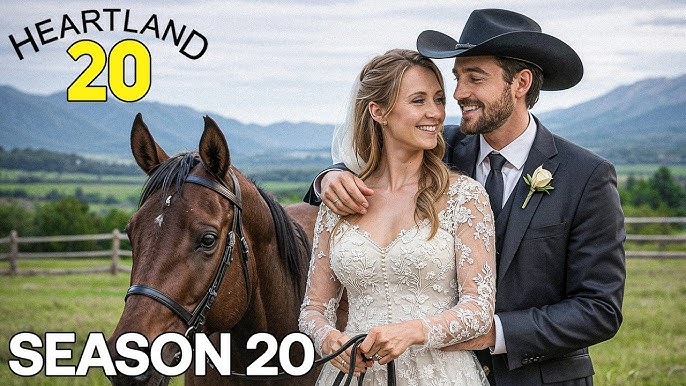
The question haunting the Heartland community is whether this “different” feeling is a sign of decline or a necessary evolution. For a series to survive twenty seasons, it cannot remain stagnant. It must reflect the reality that families change, children grow up, and legacies are handed down.
The “different” vibe that viewers are feeling might be the growing pains of a show that is brave enough to move forward, even when its audience wants to stay rooted in the past. Amy’s current journey is a testament to resilience, but for those who have been there since Day 1, the longing for the “steady” days of old remains a powerful force.
Conclusion: Trusting the Journey
As we look toward the future of Hudson, we must ask ourselves: Can we love Heartland for what it is becoming, or only for what it used to be? The magic hasn’t disappeared; it has simply changed form. The family is still there, the horses are still there, and the heart of the ranch still beats—even if the rhythm is a little faster than before.
Ann Blyth, 98: The Last Voice of Hollywood’s Golden Age Has Gone Silent
- Tháng 6 26, 2026
- 121 views