

Televison New
- Newsbeat , Newness
- Tháng 4 24, 2026
- 269 views
Girl in the Basement (2021): A Chilling Exploration of Captivity and the Resilience of the Human Spirit
Introduction: The Horror Next Door In the realm of psychological thrillers, the most terrifying stories are often not the ones involving supernatural entities, but the ones rooted in the grim reality of human depravity. Released in 2021 as part of Lifetime’s “Ripped from the Headlines” feature, Girl in the Basement is a visceral, haunting portrayal of a young woman’s decades-long imprisonment at the hands of her own father. Inspired by the horrific true story of the Elisabeth Fritzl case in Austria, the film navigates the dark corridors of domestic abuse, psychological manipulation, and the incredible will to survive. At Storyline Movies, we look beyond the surface level of this “true crime” adaptation to understand the genius behind its storytelling and the heavy emotional weight it carries.
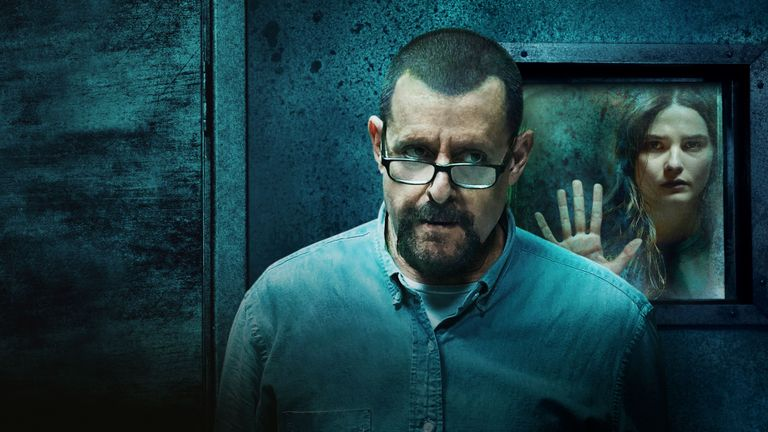
The Premise: A Sanctuary Turned Into a Tomb The film follows Sara (played by Stefanie Scott), a vibrant teenager looking forward to her 18th birthday and a future away from her overbearing and controlling father, Don (Judd Nelson). However, her dreams are shattered when Don lures her into the basement of their suburban home, trapping her in a soundproofed bunker he spent years meticulously preparing. What was supposed to be a temporary punishment turns into a 20-year nightmare. The brilliance of the “storyline” lies in the terrifying proximity of the horror—while Sara’s mother and sister live their lives just a few feet above her, she is subjected to unspeakable trauma in the darkness below.
Judd Nelson: The Anatomy of a Monster The success of Girl in the Basement hinges on the performance of Judd Nelson. Known for his “Brat Pack” roles in the 80s, Nelson delivers a career-defining performance as Don. He doesn’t play the character as a mustache-twirling villain; instead, he portrays a man fueled by a toxic need for control and a warped sense of “protection.” Don truly believes he is keeping his daughter safe from the “corrupting” world outside. This psychological complexity is what makes the film so disturbing. Don is the ultimate “Noir” antagonist—a monster hiding behind a mask of suburban normalcy and patriarchal authority.
Stefanie Scott: The Portrait of Resilience Opposite Nelson, Stefanie Scott delivers a heartbreakingly authentic performance as Sara. We watch her transform from a hopeful teenager into a weathered woman who has endured the unthinkable. Scott captures the stages of captivity with profound nuance—from the initial denial and desperate escape attempts to the eventual, soul-crushing resignation, and finally, the fierce maternal instinct that arises when she is forced to raise her children in a windowless room. Her performance is the anchor of the film, ensuring that the audience never loses sight of the human being at the center of the tragedy.
The Directorial Vision of Elisabeth Röhm Directing a film with such sensitive and dark subject matter requires a delicate touch, and Elisabeth Röhm succeeds in making the film impactful without being purely exploitative. She focuses on the psychological toll of isolation. The cinematography in the basement is claustrophobic and dim, contrasting sharply with the bright, sunny world above. This visual dichotomy reinforces the “in-between” state of Sara’s existence—she is dead to the world but very much alive in her suffering. Röhm’s direction ensures that the story remains focused on Sara’s survival rather than just the graphic nature of her abuse.
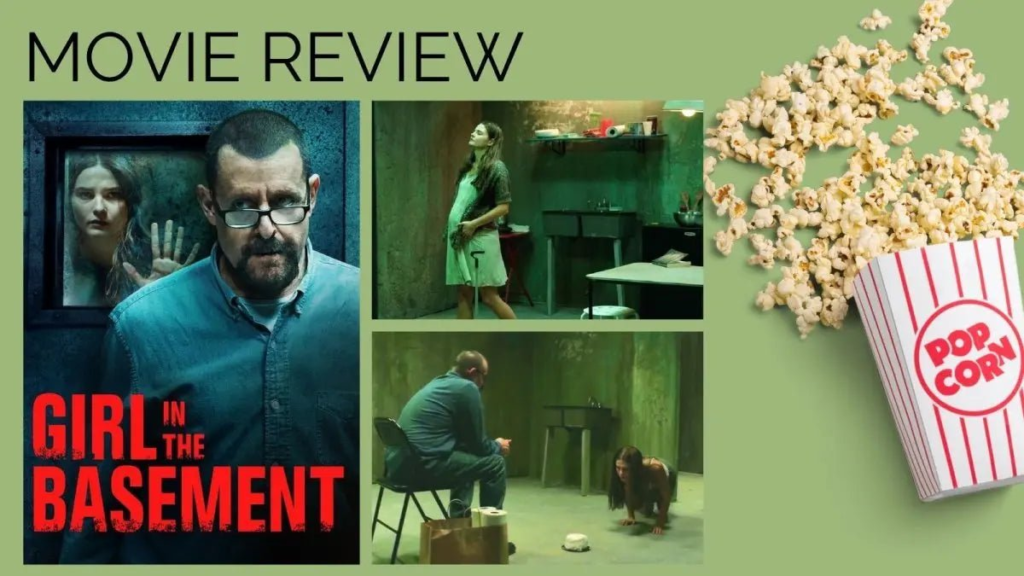
A Mirror to the Fritzl Case: Fact vs. Fiction While the film changes names and locations (moving the setting to the United States), the parallels to the real-life Elisabeth Fritzl case are unmistakable. By bringing this “storyline” to a modern, American suburban setting, the film forces the audience to confront the uncomfortable truth that such horrors can happen anywhere. It highlights the systemic failures and the “bystander effect” that can allow such crimes to go unnoticed for decades. For the true-crime enthusiasts at Storyline Movies, analyzing the differences between the movie and the actual case adds another layer of intrigue and educational value to the viewing experience.
Themes of Motherhood and Hope At its core, Girl in the Basement is a story about the power of motherhood. Sara’s children, born in captivity, become her reason to keep fighting. The scenes where she tries to give them a semblance of a “normal” life—teaching them to read and play within the confines of four concrete walls—are both beautiful and devastating. It is this flicker of hope, this refusal to let her spirit be completely broken, that makes the film’s conclusion so powerful. It isn’t just about her escape; it’s about her reclamation of her identity.
The Impact on the Audience: Why We Watch Why do we gravitate toward such dark narratives? Girl in the Basement serves a dual purpose. First, it acts as a cathartic exploration of our fears regarding safety and trust within the family unit. Second, it honors the survivors of such atrocities. By shedding light on the darkness, the film encourages vigilance and empathy. It’s a difficult watch, but a necessary one, as it challenges us to look closer at the world around us.
Conclusion: The Light at the End of the Tunnel Girl in the Basement (2021) is a haunting masterpiece of the “Captivity Noir” subgenre. It is a film that lingers in the mind long after the final frame, driven by powerhouse performances and a narrative that refuses to pull its punches. At Storyline Movies, we believe that the true “genius” of the film lies in its ability to find a shred of humanity in the most inhumane of circumstances. It is a story of a girl who lost her youth in a basement but found a strength that even the darkest shadow could not extinguish.
If you are a fan of true-crime dramas that challenge your emotions and your intellect, ‘Girl in the Basement’ is a cinematic journey you cannot afford to miss. Just remember: sometimes, the greatest monsters are the ones who hold the key to the front door.
- Newsbeat , Newness
- Tháng 4 24, 2026
- 40 views
XO, Kitty Season 3: Everything We Know About the Next Chapter of Kitty’s Seoul-Searching Journey
Introduction: The Global Heartbeat of the Song-Covey Legacy When To All the Boys I’ve Loved Before concluded, fans thought they had said their final goodbye to the beloved Song-Covey sisters. However, Jenny Han had one more trick up her sleeve: XO, Kitty. Transitioning from the suburbs of Portland to the vibrant, neon-lit streets of Seoul, the spin-off series centers on the youngest sister, Kitty Song-Covey (Anna Cathcart). After two seasons of romantic chaos, self-discovery, and cultural immersion at the Korean Independent School of Seoul (KISS), the buzz for XO, Kitty Season 3 has reached a fever pitch. At Storyline Movies, we are diving deep into the production updates, plot theories, and the complicated love geometry that awaits our favorite matchmaker.

The Renewal Status: When Will Kitty Return to Seoul? Following the massive success of Season 1 and the high viewership of Season 2, Netflix has solidified XO, Kitty as a cornerstone of its “K-Drama infused” Western content. Given the production timelines and Netflix’s typical release patterns, fans can realistically expect Season 3 to premiere in late 2025 or early 2026. Because the show is filmed on location in South Korea, the production schedule often depends on the availability of the international cast and the seasonal weather in Seoul. For the “Storyline Movies” community, the wait might feel long, but the high production value—from the K-Pop soundtracks to the stunning cinematography of Seoul’s landmarks—has proven that the quality is worth the patience.
The Love Geometry: Team Dae, Team Min Ho, or Team Yuri? The “genius” of XO, Kitty lies in its refusal to stick to a simple love triangle. By the end of Season 2, Kitty’s heart is more complicated than ever.
- Team Dae: He was the original reason she flew across the world. Their “long-distance” connection formed the foundation of the series, but as both characters grow, the cracks in their childhood fantasy have become evident.
- Team Min Ho: The “enemies-to-lovers” trope with Min Ho (Sang Heon Lee) has become a fan favorite. His surprise declaration of feelings on the airplane remains one of the most talked-about cliffhangers in recent Netflix history.
- Team Yuri: The exploration of Kitty’s sexuality and her feelings for Yuri (Gia Kim) added a layer of depth and modernity to the show. Season 3 will likely explore whether Kitty’s attraction to Yuri was a fleeting moment of self-discovery or a genuine path forward.
The Song-Covey Connection: Will We See Lara Jean or Margot? One of the most persistent rumors for Season 3 is the possibility of a cameo from the older Song-Covey sisters, Lara Jean (Lana Condor) or Margot (Janel Parrish). While the show has done an excellent job of letting Kitty stand on her own two feet, a “sisterly intervention” would be a massive win for the fans. As Kitty navigates the transition from adolescence to young adulthood, the guidance of her sisters—especially regarding the complex legacy of their late mother—would provide a beautiful emotional anchor for the upcoming season.

Expanding the “K-Culture” Experience XO, Kitty isn’t just a romance; it’s a love letter to South Korean culture. Season 3 is expected to dive even deeper into the “Hallyu” wave. We expect more cameos from K-Pop idols (following in the footsteps of OK Taec-yeon) and a further exploration of Korean traditions vs. modern global influences. For international audiences, the show acts as a bridge, making it a “must-watch” for those who enjoy the aesthetic and emotional intensity of K-Dramas but prefer the pacing of a Western sitcom.
Character Growth: Beyond the Matchmaking In Season 1, Kitty was convinced she knew everything about love. By Season 3, we expect to see a more humbled and introspective Kitty. The “Storyline” for the next season will likely focus on her academic future and her identity as a biracial woman navigating a culture that is both hers and not hers. The mystery surrounding her mother’s time at KISS will likely continue to be a driving force, as Kitty realizes that her mother’s life was far more complex than the stories she grew up with.
The Supporting Cast: Evolution at KISS The ensemble cast at KISS—including Q (Anthony Keyvan), Florian, and Alex—have all become essential pieces of the puzzle. Season 3 needs to address the fallout of the academic scandals and the personal relationships within the friend group. The dynamic between Min Ho and his famous mother, or Yuri’s navigation of her family’s high expectations, provides the “B-plots” that give the show its rich, lived-in feel.
Why It Matters: The Future of Global Storytelling At Storyline Movies, we believe XO, Kitty represents the future of entertainment. It is a show that is unashamedly global, diverse, and digital-first. It understands the power of social media aesthetics and the universal language of young love. Whether you are in New York, London, or Da Nang, the struggles of Kitty Song-Covey feel familiar. It’s a story about finding your place in a world that doesn’t always have a pre-defined slot for you.
Conclusion: Preparing for Departure As we wait for the official trailer for XO, Kitty Season 3, one thing is certain: the flight back to Seoul will be filled with turbulence, tears, and plenty of “Aww” moments. Kitty Song-Covey has proven that she is more than just a younger sister; she is a protagonist for a new generation. Keep your passports ready and your Netflix accounts active—the next chapter of KISS is about to be the most dramatic one yet.
- Newsbeat , Newness
- Tháng 4 23, 2026
- 57 views
The Dhar Mann Phenomenon: Why “You Didn’t Feed Her?” Became a Viral Wake-Up Call
Introduction: The Power of a Single Question In the vast ocean of digital content, few creators have mastered the art of the “emotional hook” like Dhar Mann. A single frame, showing a young woman looking down with a mix of horror and disbelief, asking the question, “You didn’t feed her?”, is enough to trigger a wave of engagement across Facebook and YouTube. This specific episode, featuring the talented Sofia Chicorelli Serna, isn’t just another video; it’s a masterclass in the “Storyline” format that has turned Dhar Mann into a global household name. Today, we dissect the anatomy of this episode and why it resonates so deeply with millions of viewers.
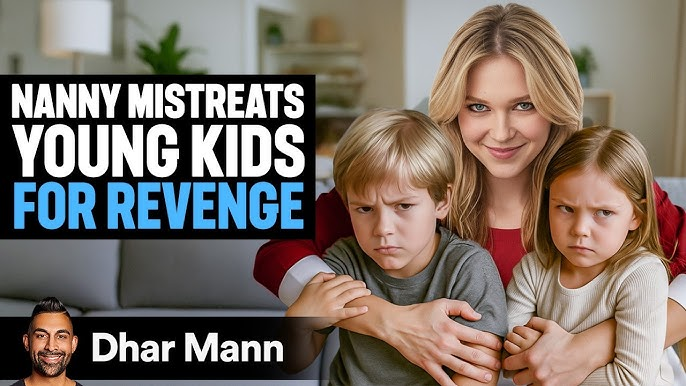
The Setup: A Mirror to Modern Neglect The genius of this episode lies in its relatability. Neglect is a dark, often unspoken reality in many households. By framing the story around a basic human necessity—food—the writers tap into a primal protective instinct in the audience. We see a child, vulnerable and silent, and a caregiver who has prioritized their own ego or entertainment over the child’s well-being. The tension builds slowly until the protagonist (Sofia) steps in to bridge the gap between ignorance and accountability.
Sofia Chicorelli Serna: The Face of Empathy Sofia has become one of the most recognizable faces in the Dhar Mann universe. Her ability to convey deep emotion with just her eyes is what makes this “Storyline” work. In this episode, she represents the voice of the audience. When she asks, “You didn’t feed her?”, she isn’t just speaking to a character; she is challenging a mindset. Her performance anchors the film, moving it from a simple “skit” to a compelling short drama that demands a moral response.
The “So, You See” Philosophy: Deconstructing the Climax Every Dhar Mann video follows a specific structural arc, often compared to modern-day fables. The “villain” of the piece—the negligent nanny or the absent mother—is given an opportunity to lie or deflect before the truth is revealed in a “shocking” twist. This structure is addictive. At Storyline Movies, we believe this is the digital equivalent of the classic “Whodunit,” but instead of a murder, we are solving a moral puzzle. The resolution always brings a sense of “poetic justice” that provides the viewer with emotional closure.
The Viral Mechanics: Why This Image Stays in Your Feed Why did the image you sent me become so iconic? It’s because it captures a “universal truth.” The high-contrast subtitles, the focused facial expression, and the high-stakes situation are designed for the “scroll-and-stop” behavior of social media users. For a page like Storyline Movies, content like this is gold because it generates “high-sentiment” comments. People feel compelled to share their own stories of parenting, their anger at the antagonist, and their relief when the child is saved.

Criticism vs. Connection: The Great Debate While critics often dismiss Dhar Mann’s series as “cringey” or “over-acted,” the numbers tell a different story. These videos reach people that traditional cinema often misses. They provide clear, unambiguous moral lessons in an increasingly complex world. This specific episode about child neglect serves as a digital public service announcement. It reminds us to look out for the vulnerable in our communities and to remember that our actions (or lack thereof) always have
consequences.
The Legacy of the “Nanny” Episode Years after its release, this episode continues to be re-shared and re-edited into “Life Lesson” compilations. It has inspired countless “reaction videos,” further extending its reach. It proved that you don’t need a $100 million budget to tell a story that changes how people think. You just need a compelling situation, a talented lead, and a message that speaks to the heart.
Conclusion: More Than Just a Video When we look at the screenshot of Sofia asking that heartbreaking question, we are seeing the pinnacle of modern social media storytelling. Jamesy Boy showed us redemption in prison; The Rookie showed us second chances in the LAPD; but Dhar Mann shows us the morality of the everyday. At Storyline Movies, we salute creators who use the power of narrative to make the world a little more compassionate, one “So, you see” at a time.
- Newsbeat , Newness
- Tháng 4 23, 2026
- 37 views
Jamesy Boy: A Raw Journey of Redemption and the Power of Choice
Introduction: The True Story of a Second Chance In the gritty landscape of prison dramas, few films manage to capture the authentic transition from a lost youth to a man of substance as effectively as Jamesy Boy. Directed by Trevor White and released in 2014, the film is based on the remarkable true life story of James Burns. It isn’t just a movie about “doing time”; it’s a visceral exploration of the
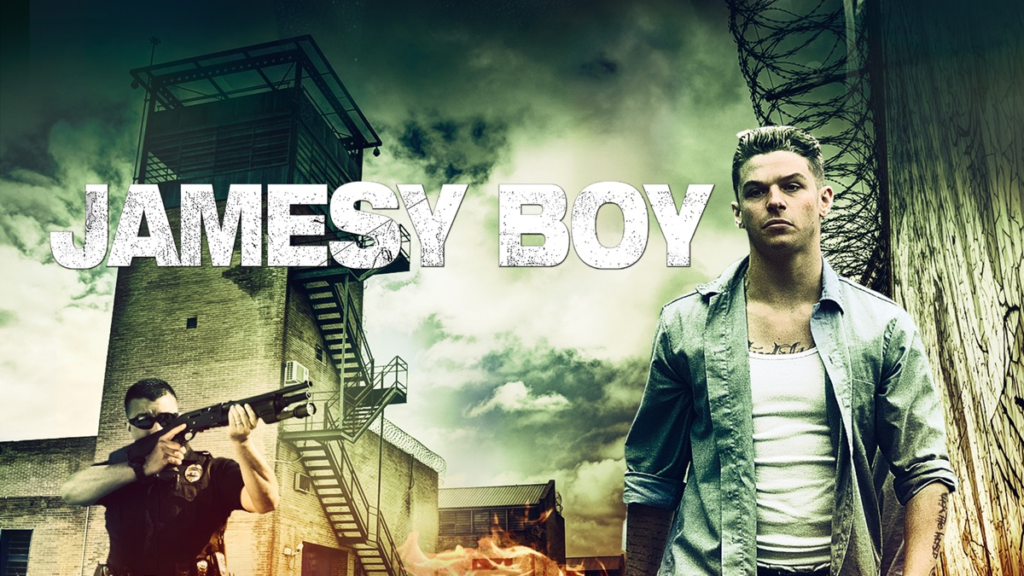
circumstances that lead a young man into the abyss and the agonizingly difficult steps required to climb back out. For the “Storyline Movies” community, Jamesy Boy stands as a testament to the fact that while our past defines where we started, it doesn’t have to dictate where we end up.
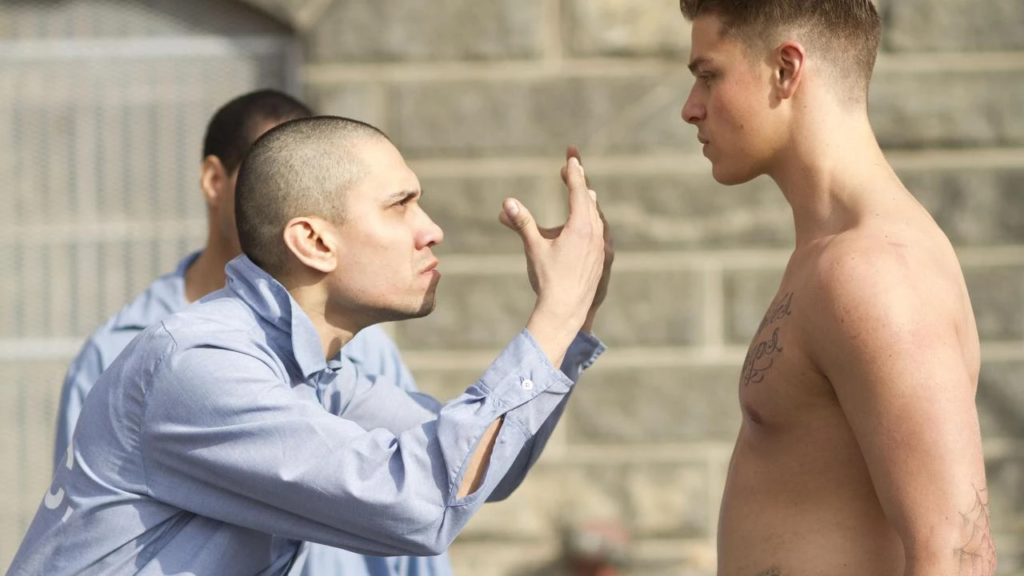
The Descent: A Product of the System The film introduces us to James Burns (played with haunting intensity by Spencer Lofranco), a teenager who has already been rejected by every traditional system of support. James isn’t inherently evil; he is a young man with a hair-trigger temper and a desperate need for belonging. This void is quickly filled by the world of street crime and the influence of a local gang leader, Roc (Michael Nyqvist). The “storyline” of his descent is painfully familiar but handled with a raw honesty that avoids glamorizing the criminal lifestyle. We see James as a boy trying to play a man’s game, a path that inevitably leads him to a maximum-security prison before he’s even old enough to vote.
Life Behind Bars: The Reality of the “Gladiator School” When James enters the prison system, the film shifts its tone. The cinematography becomes colder, the spaces more confined. It captures the terrifying reality of what inmates call “Gladiator School”—a place where survival often requires giving in to your darkest instincts. It is here that James faces his ultimate crossroads. He is surrounded by violence, racial tension, and a system that seems designed to break his spirit rather than reform it. However, it is also within these walls that James encounters the person who will change his life forever.
The Mentor: Conrad and the Power of Poetry The emotional core of Jamesy Boy is the relationship between James and Conrad (played by the legendary Ving Rhames). Conrad is a convicted murderer who has found a strange kind of peace within the prison. Unlike the guards or the gang leaders, Conrad doesn’t try to intimidate James. Instead, he challenges his mind. Through their interactions, James discovers the power of writing and poetry—a tool to process his rage and express the humanity he had buried so deep. This mentorship is the “genius” of the film’s narrative. It proves that redemption often requires a mirror—someone to show us the person we could be, rather than the criminal the world sees.

The Struggle for Identity: James vs. The System One of the most compelling aspects of Jamesy Boy is the internal conflict James faces. He is caught between two worlds: the loyalty he feels to his criminal “family” outside and the burgeoning desire to be a better man. The film brilliantly portrays the “crabs in a bucket” mentality of the prison system, where any attempt at self-improvement is met with hostility from other inmates. James’s journey is not a straight line; he falters, he loses his temper, and he almost loses his hope. This realism is what makes the “Never Return” (Không Bao Giờ Trở Lại) theme so powerful. To never return to prison, James first has to learn how to never return to the mindset that put him there.
Mary-Louise Parker and the Mother’s Grief Adding another layer of emotional depth is Mary-Louise Parker, who plays James’s mother. Her performance captures the helpless agony of a parent watching their child destroy themselves. Her scenes are brief but impactful, serving as a reminder of the “collateral damage” of crime. It grounds the story in reality, showing that James’s choices didn’t just affect him; they tore a hole in the fabric of his family. Her unwavering, yet exhausted love provides the final incentive James needs to truly change.
The “Storyline Movies” Perspective: Why This Film Matters At Storyline Movies, we focus on narratives that offer more than just entertainment. Jamesy Boy is a psychological study of resilience. It asks difficult questions: Can a violent person truly become peaceful? Is the prison system a place for rehabilitation or just a warehouse for the discarded? By focusing on the real James Burns’s passion for literature and his eventual success as a writer and activist, the film provides a rare “happy ending” that feels earned through blood, sweat, and tears.
Direction and Performance: A Hidden Gem Spencer Lofranco’s performance is a revelation. He manages to balance the terrifying volatility of a street thug with the soul-searching vulnerability of a poet. Under Trevor White’s direction, the film avoids the clichés of the “prison breakout” genre and instead focuses on the “internal breakout”—the moment the mind becomes free even if the body is still in a cell. The supporting cast, including Taissa Farmiga as a symbol of the “normal” life James lost, adds a sense of longing that permeates the entire film.
Conclusion: The Legacy of James Burns Jamesy Boy (Không Bao Giờ Trở Lại) is a must-watch for anyone who believes in the capacity for human change. It is a story that refuses to look away from the darkness but insists on finding the light. James Burns’s story serves as a beacon for those who feel trapped by their past mistakes. It reminds us that every day is a series of choices, and the most important choice we can ever make is to decide who we want to be when the gates finally open.
James Burns didn’t just survive prison; he conquered the version of himself that belonged there. That is a storyline worth celebrating.
- Newness , Newsbeat
- Tháng 4 21, 2026
- 130 views
Parenthood Unfiltered: Why Jen and Greg are the Most Relatable TV Parents
Introduction: The Myth of the Perfect Parent For decades, television sitcoms have sold us a specific version of parenthood: the wise father giving life lessons over breakfast and the perfectly coiffed mother managing a household with effortless grace. From Leave It to Beaver to the early days of Modern Family, the “messiness” of raising children was often sanitized for a prime-time audience. However, Life In Pieces shattered that mold with the introduction of Jen and Greg Short. By stripping away the Hollywood gloss and leaning into the unfiltered, sleep-deprived, and often humiliating reality of new parenthood, Jen and Greg became the most relatable couple on television. For the audience at “Storyline Movies,” their journey isn’t just entertainment—n it’s a mirror.
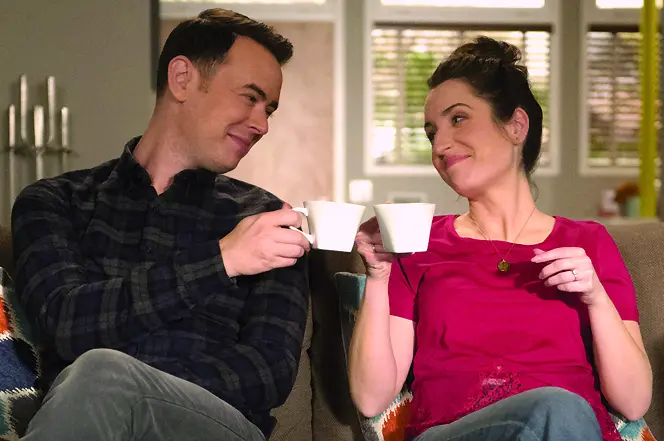
The First-Time Parent Panic The brilliance of Jen and Greg’s storyline begins with the birth of their first child, Lark. Unlike other shows where the baby arrives and life magically returns to normal in the next scene, Life In Pieces captures the immediate, bone-crushing exhaustion of the first few months. We see them in their stained pajamas, arguing over who got four minutes more sleep, and navigating the terrifying responsibility of keeping a tiny human alive. Their “panic” isn’t played for melodrama; it’s played for truth. Every parent watching remembers that feeling of leaving the hospital and thinking, “Wait, they’re actually letting us take this thing home?”
The Genius of Jen: The “No-Nonsense” Modern Mom Zoe Lister-Jones delivers a powerhouse performance as Jen. What makes Jen so relatable is her refusal to perform the “Sanctimommy” role. She is a successful lawyer, highly intelligent, and deeply sarcastic. She doesn’t lose her identity when she becomes a mother, but she does lose her patience—and that is where the comedy shines. Jen’s struggles with her mother-in-law Joan’s overbearing advice, or her attempts to maintain a social life while leaking breast milk, are moments of pure, unadulterated reality. She represents the modern woman who is trying to “have it all” while simultaneously realizing that “having it all” usually involves a lot of baby spit-up.
Greg Short: The Vulnerable, Hilarious “Girl Dad” Colin Hanks’ Greg is the perfect counterpart to Jen. Greg is sensitive, slightly neurotic, and deeply devoted to his family. In many sitcoms, the “dad” is either a bumbling idiot or a stern disciplinarian. Greg is neither. He is a man who is deeply in love with his wife and daughter but is often overwhelmed by the chaos of life. His attempts to be the “cool dad” or his obsession with capturing every moment of Lark’s life on camera are traits that resonate deeply with the millennial father. Greg’s vulnerability—his willingness to admit when he’s scared or out of his depth—makes him one of the most endearing fathers in TV history.
The “Cringe” Moments: Finding Humor in the Humiliation Life In Pieces isn’t afraid to go where other shows won’t. Whether it’s Jen dealing with the physical aftermath of a traumatic birth or the couple accidentally getting locked out of their house while the baby is inside, the show finds humor in the “cringe.” These moments are vital because they validate the experiences of real parents. Parenting is often embarrassing. It involves bodily fluids, public tantrums, and making terrible decisions because you haven’t slept in three days. By showing Jen and Greg at their lowest, most humiliated points, the show tells parents: “It’s okay. We’ve all been there.”
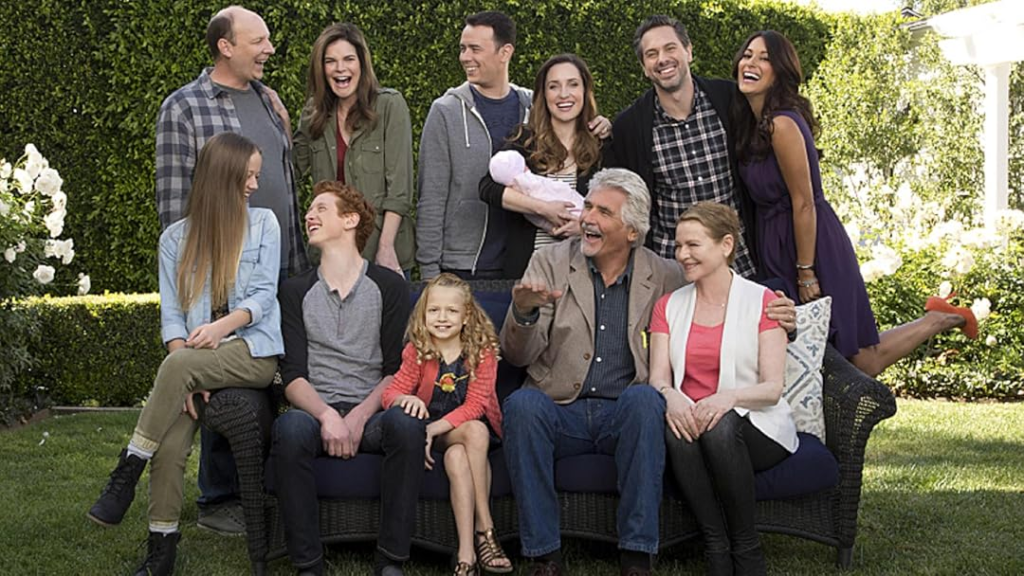
Maintaining the Spark: Marriage in the Trenches Beyond the parenting, the “storyline” of Jen and Greg is a beautiful study of a modern marriage. They are a team. Even when they are sniping at each other in the middle of the night, you never doubt their partnership. The show explores the difficulty of maintaining intimacy when your lives revolve around a nap schedule. Their “date nights” that end in falling asleep at the dinner table or their whispered arguments in the hallway are the hallmarks of a real relationship. They don’t have grand, romantic reconciliations; they have small, quiet moments of understanding.
The Evolution: Growing with the Audience As the seasons progressed, we watched Jen and Greg grow from terrified novices into (slightly) more confident veterans. They dealt with the joys and terrors of a second pregnancy, the complexities of workplace dynamics, and the constant interference of the larger Short family. This evolution is key to the show’s success. The audience grew with them. We felt their relief when Lark finally slept through the night and their anxiety when they had to navigate the world of preschool admissions. Their growth felt earned because it was rooted in the small, everyday “pieces” of life.
Why the “Shorts” Format Works for Parenting Stories The 5-minute vignette format of Life In Pieces is particularly effective for Jen and Greg’s stories because parenting is essentially a series of short, intense episodes. One minute you’re having a heart-to-heart, the next you’re cleaning up a disaster in the kitchen. By focusing on these “slices of life,” the writers avoid the need for forced, overarching plots. They can just focus on the truth of the moment. This makes the show incredibly bingeable and perfect for social media sharing—parents can watch a single segment and say, “That! That is exactly what happened to me yesterday!”
Conclusion: The Legacy of Jen and Greg In the grand tradition of television families, the Short family—and Jen and Greg in particular—stand out for their honesty. They aren’t trying to be role models; they’re just trying to get through the day. At Storyline Movies, we appreciate the genius of Life In Pieces because it understands that the best stories aren’t always about heroes saving the world. Sometimes, the most heroic thing you can do is survive a toddler’s birthday party or a long-haul flight with an infant. Jen and Greg represent the reality of parenthood in the 21st century: it’s messy, it’s exhausting, it’s humiliating, but it’s also the funniest and most rewarding “storyline” there is.
Whether you’re a new parent in the trenches or a veteran looking back on the chaos, Jen and Greg Short remind us that as long as you can laugh at the madness, you’re doing just fine.
- Newsbeat , Newness
- Tháng 4 21, 2026
- 169 views
Predictable or Brilliant? Dissecting the Plot Twists of ‘A Simple Favor’
Introduction: The Art of the Modern Whodunit When Paul Feig, a director primarily known for broad comedies like Bridesmaids, announced he was helming a neo-noir thriller, the industry sat up and took notice. A Simple Favor arrived in 2018 as a glossy, martini-soaked puzzle that felt like Gone Girl’s funnier, more fashion-forward cousin. However, as the credits rolled, audiences were left divided. Some hailed the film’s rapid-fire revelations as a brilliant subversion of the genre, while others felt the plot spiraled into a chaotic mess of convenience. As we revisit the film today, it’s time to settle the debate: Were the twists in A Simple Favor a stroke of genius, or were they just trying too hard?

The Hook: A Simple Favor with Complex Consequences The premise is deceptively simple: Stephanie (Anna Kendrick), a lonely mommy vlogger, strikes up an unlikely friendship with Emily (Blake Lively), a mysterious and glamorous PR executive. When Emily disappears after asking Stephanie for a “simple favor”—picking up her son from school—the film shifts from a domestic comedy into a dark investigation. The initial setup is brilliant because it plays on the insecurities of the modern parent. We wonder: Do we ever truly know our friends? This relatable foundation makes the subsequent leaps into madness feel all the more jarring.
The First Reveal: The “Gone Girl” Shadow The first major twist—that Emily isn’t just missing but has potentially staged her own death—inevitably invited comparisons to Gillian Flynn’s Gone Girl. Critics argued that this was predictable. In the age of post-modern thrillers, audiences are conditioned to suspect the “missing wife” of being the architect of her own disappearance. However, A Simple Favor brilliant subverts this expectation by making Emily’s backstory far more twisted than a simple revenge plot. It isn’t just about a marriage gone wrong; it’s about an identity forged in fire—literally.
The Twin Trope: A Risky Narrative Gamble One of the most contentious points of the film is the introduction of Hope and Faith—the revelation that Emily has a twin sister and a dark, arson-filled past. In the world of literary thrillers, the “secret twin” is often seen as a “deus ex machina,” a lazy way to solve a plot hole. Yet, Paul Feig and screenwriter Jessica Sharzer lean so heavily into the campiness of this trope that it almost becomes a parody of itself. By embracing the absurdity, the film invites the audience to laugh along with the chaos rather than scrutinizing the logic. It’s a brilliant move that allows the film to maintain its “feathery” tone despite the dark subject matter.

Stephanie’s Transformation: The Twist No One Saw Coming While the world was busy looking at Emily’s disappearing act, the most brilliant twist was happening right in front of us: the moral decay of Stephanie Smothers. At the start, Stephanie is an insufferably cheerful “Goody Two-Shoes.” By the end, she is a manipulative, tech-savvy player who is just as capable of deception as Emily. The reveal of Stephanie’s past—her affair with her half-brother—serves as a crucial pivot point. It tells the audience that there are no heroes in this story, only survivors. This character-driven twist is far more impactful than any secret twin because it redefines our relationship with the protagonist.
The Climax: A Triple-Cross Martini The final confrontation in the suburban mansion is a masterclass in theatrical “lật kèo.” Between the fake blood, the hidden microphones, and the “live-streamed” confession, the film turns the finale into a performance piece. Is it realistic? Absolutely not. Is it brilliant? In the context of a “Pop-Thriller,” yes. It utilizes Stephanie’s vlogging—a minor plot point at the beginning—as the ultimate weapon of the digital age. It’s a commentary on how the “perfect” facade of suburban life is always being watched, recorded, and broadcast.
The Tone: Why “Predictable” Might Be the Point To judge A Simple Favor by the standards of a gritty Noir like Se7en is a mistake. The film exists in a heightened reality where everyone is wearing couture and drinking gin at 2:00 PM. In this world, the twists are supposed to feel like something out of a pulp novel. The “predictability” of some elements allows the film to maintain its pace, ensuring that the audience is never more than ten minutes away from another shocking reveal. The brilliance lies not in the “what,” but in the “how”—the sheer style and audacity with which the secrets are bared.
The Genre-Bending Genius of Paul Feig Paul Feig’s background in comedy is what saves the plot from collapsing under its own weight. He understands that a thriller with this many twists needs a sense of humor. The film’s “genius” is its self-awareness. It knows it’s a bit ridiculous. It knows Emily’s outfits are too good for a suburban house. By acknowledging its own artifice, the film makes its most far-fetched plot points feel like part of the fun. It’s a “Thriller-Comedy” hybrid that manages to respect the stakes of the mystery while winking at the audience.
Conclusion: A Modern Camp Classic So, is A Simple Favor predictable or brilliant? The answer is: it’s both, and that’s exactly why it works. While some of the narrative beats follow established genre tropes, the execution is fresh, vibrant, and unapologetically bold. It’s a film that prizes entertainment over gritty realism, and in doing so, it created a new blueprint for the suburban thriller. At Storyline Movies, we believe the “genius” of the film isn’t in its ability to fool you, but in its ability to keep you smiling while it does. Whether you saw the ending coming or were blindsided by the final gunshot, one thing is certain: you’ll never look at a “simple favor” the same way again.
- Newness , Newsbeat
- Tháng 4 20, 2026
- 41 views
‘Winter Spring Summer or Fall’ Review: Jenna Ortega and Percy Hynes White Anchor a Feathery Romance
Introduction: Beyond Nevermore Academy When the world first saw Jenna Ortega and Percy Hynes White together in the gothic halls of Wednesday’s Nevermore Academy, the chemistry was undeniable. While that show leaned into the macabre, fans were left wondering what this duo could achieve in a more grounded, emotional setting. Enter Winter Spring Summer or Fall, a “feathery” romance directed by Tiffany Paulsen. This film isn’t trying to reinvent the wheel of the young adult (YA) genre; instead, it focuses on the delicate, seasonal shift of young love. It is a story that proves chemistry is the most valuable currency in Hollywood, and Ortega and White have it in spades.

The Premise: A Year of Firsts The storyline follows Remi (Ortega) and Barnes (White), two teenagers with vastly different outlooks on life who meet during their senior year of high school. As the title suggests, the film is structured around the four seasons, capturing four pivotal days over the course of a year. Remi is a high-achieving, goal-oriented student with her eyes fixed firmly on the future, while Barnes is the quintessential “live-in-the-moment” artist. The genius of the film lies in how it uses these four days to condense a lifetime of emotional growth, showing how love can be both a seasonal fluke and a lifelong anchor.
Jenna Ortega: The Anchor of Emotional Depth Jenna Ortega has rapidly become the “It Girl” of her generation, but in Winter Spring Summer or Fall, she sheds the horror-queen persona for something far more vulnerable. As Remi, Ortega portrays the anxiety of a young woman who feels she must control every aspect of her life to succeed. Her performance is the anchor of the film. She brings a subtle maturity to the role, allowing the audience to see the cracks in Remi’s polished exterior as she slowly lets Barnes into her world. It is a reminder that Ortega’s range extends far beyond the dark and the quirky; she is a formidable dramatic lead.
Percy Hynes White: The Charm of the Free Spirit Percy Hynes White provides the perfect foil to Ortega’s intensity. Barnes is a character that could have easily become a cliché—the brooding artist who teaches the “square” girl how to have fun. However, White infuses the role with a genuine, soft-spoken charm. He plays Barnes with a “feathery” lightness that balances the film’s heavier emotional beats. The way he looks at Remi feels authentic, capturing that specific, terrifying spark of first love. Together, they create a “push and pull” dynamic that keeps the audience invested through every seasonal transition.
The “Feathery” Romance: Tone and Texture Director Tiffany Paulsen opts for a visual style that mirrors the title. Each season has its own distinct color palette and emotional texture. “Winter” feels cold and distant, “Spring” brings the bloom of new feelings, “Summer” is filled with the heat of passion and impending separation, and “Fall” carries the bittersweet weight of change. The term “feathery” aptly describes the film’s tone—it is light, airy, and beautiful to look at, yet it possesses a strength that keeps it from drifting away into insignificance. It handles the tropes of the YA genre with a gentle hand, focusing on conversation and shared glances rather than over-the-top dramatic gestures.
Chemistry as a Storytelling Tool At Storyline Movies, we often analyze how actors’ rapport can elevate a script. In this film, the script is solid, but the chemistry between Ortega and White is what makes it “genius.” They have a shorthand, a comfortability that likely stems from their previous work together. This allows the film to skip the awkward “getting to know you” phases that often bog down romance movies. Instead, we jump straight into the intimacy of two people who truly see each other. Their dialogue feels improvised and natural, making the “four days” structure feel like a cohesive journey rather than four separate vignettes.

The Soundtrack and Visuals: A Sensory Experience A romance film is only as good as its mood, and the production team here understood the assignment. The soundtrack is a blend of indie-pop and melancholic acoustic tracks that perfectly encapsulate the feeling of being eighteen and in love. Visually, the film utilizes the changing landscapes to reflect the internal states of the characters. The “Summer” sequences, in particular, are shot with a golden-hour glow that makes the fleeting nature of their relationship feel even more urgent.
Addressing the Genre: Why It Matters Now In an era dominated by high-concept sci-fi and superhero epics, there is something deeply refreshing about a simple, well-acted romance. Winter Spring Summer or Fall reminds us of the power of the “human storyline.” It explores themes that are universal: the fear of leaving home, the pressure to succeed, and the transformative power of finding someone who understands your soul. It isn’t trying to be “dark” or “edgy”—it is unapologetically romantic, and in today’s cynical world, that is a bold choice.
The Legacy of Ortega and White’s Partnership This film cements Jenna Ortega and Percy Hynes White as a “legacy pairing.” Much like the great screen duos of the past, they bring out the best in each other’s performances. While their future in the Wednesday universe remains a topic of massive speculation, Winter Spring Summer or Fall proves that their magic isn’t tied to a specific genre or a specific set of costumes. They are actors who can carry a film on the strength of their connection alone.
Conclusion: A Seasonal Gem for the Ages Winter Spring Summer or Fall is a beautiful, evocative piece of cinema that captures the ephemeral nature of youth. It is anchored by two of the most talented young actors in the industry, who bring depth and nuance to a story about the seasons of love. At Storyline Movies, we believe this film will become a staple for fans of the romance genre—a movie you return to every time the leaves begin to change or the first snow starts to fall. It is a “feathery” romance with the heart of a lion, and it is a must-watch for anyone who believes in the power of a single year to change a life forever.
- Newsbeat , Newness
- Tháng 4 20, 2026
- 405 views
Ten Years Later: How “Fifty Shades of Black” Laughed All the Way to the Bank Despite the Hate
Introduction: The Power of Parody In the world of cinema, critical acclaim and commercial success don’t always walk hand in hand. Sometimes, they aren’t even in the same zip code. This week marks the 10th anniversary of the release of Fifty Shades of Black, the $5 million parody of the global phenomenon Fifty Shades of Grey. When it first hit theaters, critics were armed with their sharpest pens, ready to tear it apart. Yet, a decade later, the numbers tell a story that defies the reviews. With a modest budget and a mountain of negative press, the film managed to rake in $22.2 million worldwide. It raises a fascinating question for movie buffs and industry insiders alike: How did this “heavily criticized” parody manage to find such a profitable audience?
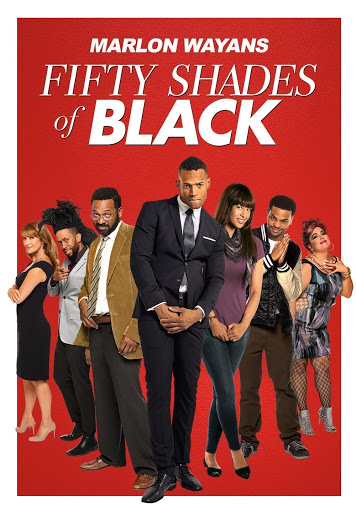
The Marlon Wayans Factor You cannot discuss Fifty Shades of Black without discussing the driving force behind it: Marlon Wayans. By 2016, Wayans had already established himself as a king of the modern parody genre, following the footsteps of his family’s legacy with Scary Movie and A Haunted House. Wayans possesses a specific type of comedic energy—physical, relentless, and unafraid to be “low-brow.” For his loyal fan base, a Wayans parody is a safe bet for a fun night out, regardless of what Rotten Tomatoes has to say. His portrayal of Christian Black (the parody of Christian Grey) leaned heavily into the absurdity of the original source material, turning brooding intensity into slapstick gold.
Satirizing a Phenomenon The primary reason for the film’s financial success was the sheer cultural weight of Fifty Shades of Grey. The original film and book series were polarising; people either loved the “mommy porn” romance or found it laughably serious. This created the perfect vacuum for a parody. Fifty Shades of Black didn’t need to be a masterpiece of cinema; it just needed to point out the inherent silliness of the original “Grey” storyline. By lampooning the “Red Room of Pain,” the overly dramatic dialogue, and the billionaire tropes, the film gave audiences a chance to laugh at a phenomenon that many felt had taken itself far too seriously.

The Economics of “Low Budget, High Return” From a business perspective, Fifty Shades of Black is a masterclass in risk management. At a production cost of just $5 million, the break-even point was remarkably low. In an era where Hollywood blockbusters need to earn $500 million just to stop losing money, the “Wayans Model” is refreshingly sustainable. The $22.2 million box office haul might look small next to a Marvel movie, but for a $5 million investment, it represents a massive return on investment (ROI). This financial cushion allowed the creators to ignore the critics entirely. They weren’t making a movie for the Oscars; they were making a product for a specific market, and that market responded with their wallets.
Why the Critics Hated It (And Why Fans Didn’t Care) Critics largely panned the film for its “lazy writing” and “crude humor.” To the elite film reviewer, Fifty Shades of Black felt like a relic of a bygone era of parody. However, there is a significant disconnect between “critical quality” and “entertainment value.” Many viewers go to the movies specifically for crude, mindless humor—a way to escape the stresses of reality for 90 minutes. The film’s success proved that there is always an appetite for raunchy comedy, especially when it targets a “prestige” property that is perceived as pretentious. The “Hate-Watch” culture also played a role; some went to see how “bad” it actually was, only to find themselves laughing despite their best efforts.
The Noir and Niche of Parody While we often categorize this as a simple comedy, there is an element of “Urban Parody” that Marlon Wayans has perfected. He takes mainstream, often white-centric stories and reinterprets them through a lens of African-American comedy tropes. This creates a niche but incredibly loyal audience. By subverting the “Billionaire Romance” genre—which is often criticized for its lack of diversity—Wayans added a layer of cultural satire that resonated with viewers who felt excluded from the original Fifty Shades hype.
A Decade of Retrospect: Does It Hold Up? Ten years later, re-watching Fifty Shades of Black is like opening a time capsule of 2016 pop culture. Some jokes have aged better than others, and the slapstick remains as divisive as ever. However, the film’s legacy isn’t in its script; it’s in its resilience. It stands as a testament to the idea that a movie can be “bad” by artistic standards but “great” by commercial and entertainment standards. It paved the way for more low-budget satires to take risks, knowing that there is always a crowd ready to laugh at the ridiculous.
The “Storyline Movies” Perspective At Storyline Movies, we find the most interesting narratives aren’t always on the screen—sometimes they are in the box office reports. The storyline of Fifty Shades of Black is one of defiance. It defied the critics, it defied the odds, and it turned a tiny budget into a significant profit. It reminds us that cinema is a broad church; there is room for the high-brow noir of Mr. Inbetween and the low-brow chaos of Marlon Wayans.
Conclusion: The Last Laugh As we celebrate a decade since Christian Black first appeared on our screens, we have to give credit where it’s due. Making a profitable movie is hard. Making one that pays for itself four times over while being “heavily criticized” is even harder. Fifty Shades of Black may not be a cinematic masterpiece, but it is a commercial triumph that understood exactly what its audience wanted: a chance to laugh at the “Grey” world we were all living in. Marlon Wayans got the last laugh, and he did it with $22.2 million in his pocket.
- Newsbeat , Newness
- Tháng 4 18, 2026
- 1085 views
Mr. Inbetween: It’s Time to Appreciate the Genius of This Very Australian Noir
Introduction: The Anti-Hero We Didn’t Know We Needed In the saturated landscape of prestige television, where anti-heroes like Tony Soprano and Walter White have long reigned supreme, a quiet, unassuming hitman from the suburbs of Sydney managed to carve out a niche that is arguably more profound, more grounded, and infinitely more “Australian.” That man is Ray Shoesmith, the protagonist of Mr. Inbetween. Created by and starring Scott Ryan, and directed with surgical precision by Nash Edgerton, the series is a masterclass in “Australian Noir.” It is time to stop overlooking this masterpiece and appreciate the sheer genius behind its storytelling, its character depth, and its brutal, uncompromising honesty.
The Genesis of Ray Shoesmith The genius of Mr. Inbetween begins with its history. The character of Ray Shoesmith first appeared in the 2005 cult film The Magician, a mockumentary also created by Scott Ryan. It took over a decade for Ryan to bring Ray back to the screen, and that passage of time is evident in the character’s soul. Ray is not a flashy, Hollywood-style assassin. He doesn’t drive luxury cars or use high-tech gadgets. He is a working-class father, a brother, a boyfriend, and a friend who just happens to kill people for a living. This duality is the engine that drives the show’s brilliance.
The Masterclass of “The Mute” and the Mundane What sets Mr. Inbetween apart from other crime dramas is its obsession with the mundane. The show spends as much time—if not more—on Ray’s conversations about dim sims, the etiquette of borrowing money, and the frustrations of parenthood as it does on his “work.” This is the core of Australian Noir: the juxtaposition of extreme violence with the banality of suburban life. One moment, Ray is having a philosophical debate with his best friend Gary about the ethics of “The Tooth Fairy,” and the next, he is buried in the woods, dealing with a body. This tonal shift is handled so effortlessly that it feels natural, reflecting the chilling reality that violence is often just another day at the office for those involved.
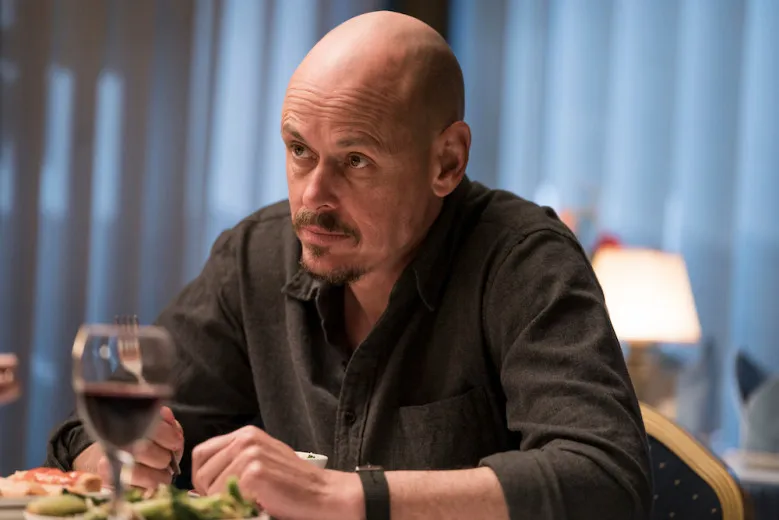
A Directing Masterpiece by Nash Edgerton Directing every single episode, Nash Edgerton brought a visual consistency that is rare in television. The cinematography is stripped back, raw, and visceral. Edgerton understands that in Noir, what you don’t see is often more terrifying than what you do. The camera often lingers on Ray’s face—a face that can shift from a warm, fatherly smile to a cold, predatory stare in a fraction of a second. The pacing is deliberate, allowing the tension to simmer until it inevitably boils over into short, sharp bursts of violence that feel earned and terrifyingly real.
The Complexity of Morality: The Ray Shoesmith Code Ray Shoesmith is a man of a very specific, albeit twisted, moral code. He isn’t a psychopath; he has deep empathy for his daughter, Brittany, and his brother, Nick, who suffers from Motor Neurone Disease. The scenes between Ray and Nick are some of the most heartbreaking in modern television, showing a side of Ray that is tender, patient, and deeply grieving.
However, Ray has zero tolerance for “bad manners” or “bullies.” His violence is often triggered by a sense of justice—however skewed it may be. Whether he’s teaching a lesson to two punks who harassed his daughter or dealing with a pedophile, Ray acts as a dark vigilante. This creates a fascinating dilemma for the audience: we find ourselves rooting for a man who commits horrific acts because he often targets those we feel deserve it. This “Grey Morality” is the hallmark of a great Noir story.
The Supporting Cast: Building a Real World The world of Mr. Inbetween feels lived-in because of its supporting cast. Gary, played by Justin Rosniak, provides the perfect foil to Ray—a loyal, somewhat bumbling best friend who represents the “normal” life Ray tries to keep a foot in. Their chemistry is the heart of the show’s humor. Then there is Freddy (played by the legendary Damon Herriman), Ray’s boss, who embodies the cold, transactional nature of the criminal underworld. Every character, no matter how small their screen time, feels like a real person with a history, which elevates the stakes of every confrontation.
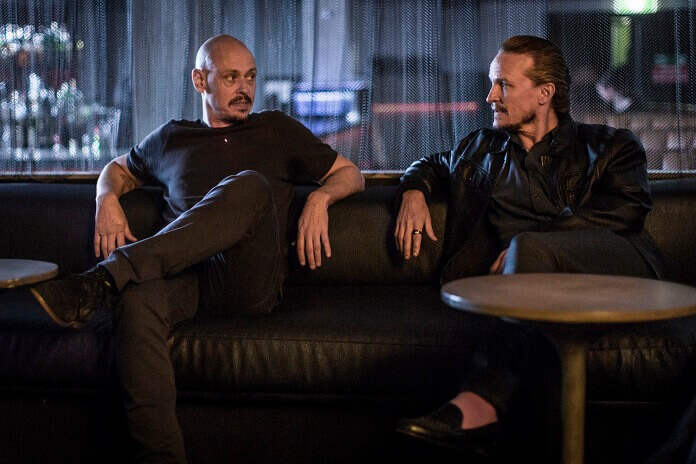
The “Very Australian” Identity You cannot separate the genius of this show from its Australian roots. The slang, the dry humor (often referred to as “taking the piss”), and the rugged suburban landscape of New South Wales are essential characters in their own right. It captures a specific brand of Australian masculinity—stoic, laconic, but hiding a reservoir of repressed emotion. It avoids the “Outback” clichés of Crocodile Dundee and instead focuses on the gritty reality of the urban fringe. For an international audience, especially in the US, this is a breath of fresh air—a crime story that feels alien yet strangely familiar.
The Final Season and the Legacy of the “Smile” As the series progressed toward its finale, the weight of Ray’s double life began to crush him. The final season is a somber meditation on the consequences of violence. We see the toll it takes on Ray’s relationships and his psyche. The ending of the series is one of the most talked-about finales in recent years. Without giving too much away, it perfectly encapsulates the essence of Ray Shoesmith: a man who is always prepared, always dangerous, and forever “in between” the light and the dark.
Why It Deserves More Appreciation Despite critical acclaim, Mr. Inbetween remains a “hidden gem” for many. In the age of algorithmic content, shows this bold and original often get lost. However, for those who have seen it, the consensus is clear: it is one of the greatest character studies ever produced. Scott Ryan’s performance is nothing short of legendary—he didn’t just play Ray Shoesmith; he became him.
Conclusion: A Storyline for the Ages At Storyline Movies, we believe that the best stories are the ones that challenge our perceptions of good and evil. Mr. Inbetween does exactly that. It is a brilliant, brutal, and beautiful piece of Australian Noir that demands your attention. It proves that you don’t need a massive budget or a superhero to create a compelling narrative; you just need a deep understanding of human nature, a sharp script, and a character as unforgettable as Ray Shoesmith. If you haven’t watched it yet, you are missing out on one of the greatest “storylines” in the history of television.
- Newsbeat , Newness
- Tháng 4 18, 2026
- 142 views
Every ‘Ted Lasso’ Character Ranked: From the Heart of Richmond to the Toxicity of Jamie’s Dad
Introduction: The Magic of Richmond When Ted Lasso first premiered, few expected a show about a Division II American football coach taking over an English Premier League team to become a global phenomenon. Yet, it succeeded because it wasn’t just about football; it was about the complex, messy, and beautiful humans who inhabit Nelson Road Stadium. From the relentless optimism of Ted to the foul-mouthed wisdom of Roy Kent, every character brought a unique flavor to the story. However, as in any great drama, for every saint, there is a sinner. In this definitive ranking, we look at the characters of Ted Lasso, grading them on their growth, heart, and impact—ending at the absolute bottom with the most toxic figure in the series: James Tartt.

The Gold Standard: Roy Kent At the top of the list stands Roy Kent. Roy is the quintessential “tough guy with a heart of gold.” When we first meet him, he is a fading star, angry at the world and his own aging body. But through his relationship with Keeley and his reluctant mentorship of the younger players, Roy becomes the soul of Richmond. His transformation is subtle yet profound. He learns that vulnerability isn’t weakness. Whether he is coaching his niece’s primary school team or giving Jamie Tartt a much-needed hug, Roy Kent represents the peak of character development. He is the man every viewer wishes they had in their corner.
The Heartbeat: Ted Lasso It would be impossible to rank anyone other than Ted near the top. Ted is the catalyst for change. His “Lasso Way”—characterized by radical kindness and the famous “Believe” sign—transforms a toxic locker room into a brotherhood. However, Ted is more than just a caricature of positivity. The show brilliantly explores his internal struggles, including his panic attacks and the pain of his divorce. Ted’s greatness lies in the fact that he chooses to be kind despite his own suffering. He isn’t perfect, but his intent is always pure, making him the moral compass of the series.
The Evolution of a Queen: Rebecca Welton Rebecca’s arc is perhaps the most satisfying in modern television. Starting as a “villain” seeking to destroy her ex-husband’s beloved club, she evolves into a powerful, empathetic leader. Her friendship with Keeley Jones is a highlight, showing the power of female solidarity. Rebecca learns to let go of the bitterness that defined her and finds true happiness in her own strength. By the final season, she isn’t just the owner of the club; she is its protector, standing tall against the elite “Super League” and choosing her Richmond family over corporate greed.
The Redemption Arc: Jamie Tartt Jamie Tartt’s journey is a masterclass in writing. He begins as a narcissistic, preening “poopeh” who cares only about his own stats. But as the layers are peeled back, we see a young man desperate for the approval he never got from his father. Under Ted’s guidance and Roy’s grueling training, Jamie transforms into a selfless playmaker. The moment he passes the ball instead of taking the shot is the ultimate symbol of his growth. Jamie becomes a hero not by being the best player on the pitch, but by being the best teammate.
The Complexity of Insecurity: Nathan Shelley Nate “The Great” represents the dark side of the Lasso effect. His descent from a shy kit man to a “Wonder Kid” and eventually to a betrayal-filled manager at West Ham is heartbreaking. Nate’s story is a cautionary tale about what happens when low self-esteem is met with a sudden burst of power without the emotional maturity to handle it. While his betrayal of Ted felt like a knife to the heart for fans, his eventual path to atonement and his return to Richmond as a “service human” added a layer of realism to the show. It reminds us that forgiveness is a process, not a destination.

The Supporting Pillars: Higgins, Keeley, and Sam Leslie Higgins is the unsung hero of the office—the man who found his spine and became the glue holding the staff together. Keeley Jones brought the “sparkle,” proving that you can be ambitious, glamorous, and incredibly kind all at once. Then there is Sam Obisanya, who represents the integrity of the next generation. Sam’s decision to stand up against a corrupt sponsor and his dedication to his Nigerian roots made him a symbol of hope and courage.
The “Grey” Characters: Trent Crimm and Coach Beard Trent Crimm (formerly of The Independent) moved from a cynical journalist to an empathetic biographer, capturing the spirit of the team. Meanwhile, Coach Beard remained the mysterious, loyal, and eccentric right-hand man. Beard’s “Man City” episode gave us a glimpse into his chaotic inner world, but his loyalty to Ted remained his defining trait. These characters added depth and intellectual curiosity to the locker room dynamics.
Descending into the Shadows: Rupert Mannion As we move toward the bottom, we encounter Rupert Mannion. Rupert is the classic “Bond Villain” of the corporate world. He is charming, wealthy, and utterly devoid of a soul. His only goal is to win and to make Rebecca miserable. Rupert represents the old guard—the era of football driven by ego and infidelity. While he is a brilliant antagonist, his lack of any redeeming qualities makes him easy to hate. Yet, even Rupert isn’t at the absolute bottom of this list.
The Absolute Bottom: James Tartt (Jamie’s Dad) Finally, we reach the lowest point of the Ted Lasso universe: Jamie’s father. Why is he ranked lower than a “villain” like Rupert? Because Rupert’s sins were professional and marital, but James Tartt’s sins were parental. In a show that focuses heavily on “Dad issues,” James is the personification of why those issues exist.
James Tartt doesn’t just fail to support his son; he actively seeks to destroy Jamie’s spirit. He shows up only to bask in the reflected glory or to humiliate Jamie in front of his teammates when he doesn’t meet an impossible standard of “toughness.” The scene in the locker room where James mocks Jamie after a loss—leading to Roy Kent’s iconic hug—is one of the most painful moments in the series. James Tartt represents toxic masculinity in its purest, most destructive form. He is the anti-Ted. Where Ted builds people up, James tears them down. Where Ted offers unconditional support, James offers conditional cruelty.
Ranking James Tartt at the very bottom isn’t just a meme; it’s a recognition of the emotional damage he inflicted. He is the only character who truly refused to grow, refused to love, and refused to “Believe.” In the world of Richmond, he is the only true outsider because his heart remained closed until the very end.
Conclusion: The Legacy of Belief Ted Lasso taught us that people can change, that forgiveness is possible, and that being a “Goldfish” (forgetting the bad and moving forward) is a superpower. By ranking these characters, we see a spectrum of humanity. We strive to be like Roy and Ted, we hope to grow like Rebecca and Jamie, and we pray we never become like James Tartt. Because in the end, as Ted would say, “Success is not about the wins and losses. It’s about helping these young fellas be the best versions of themselves on and off the pitch.” And that is a storyline worth following.
Ann Blyth, 98: The Last Voice of Hollywood’s Golden Age Has Gone Silent
- Tháng 6 26, 2026
- 121 views